

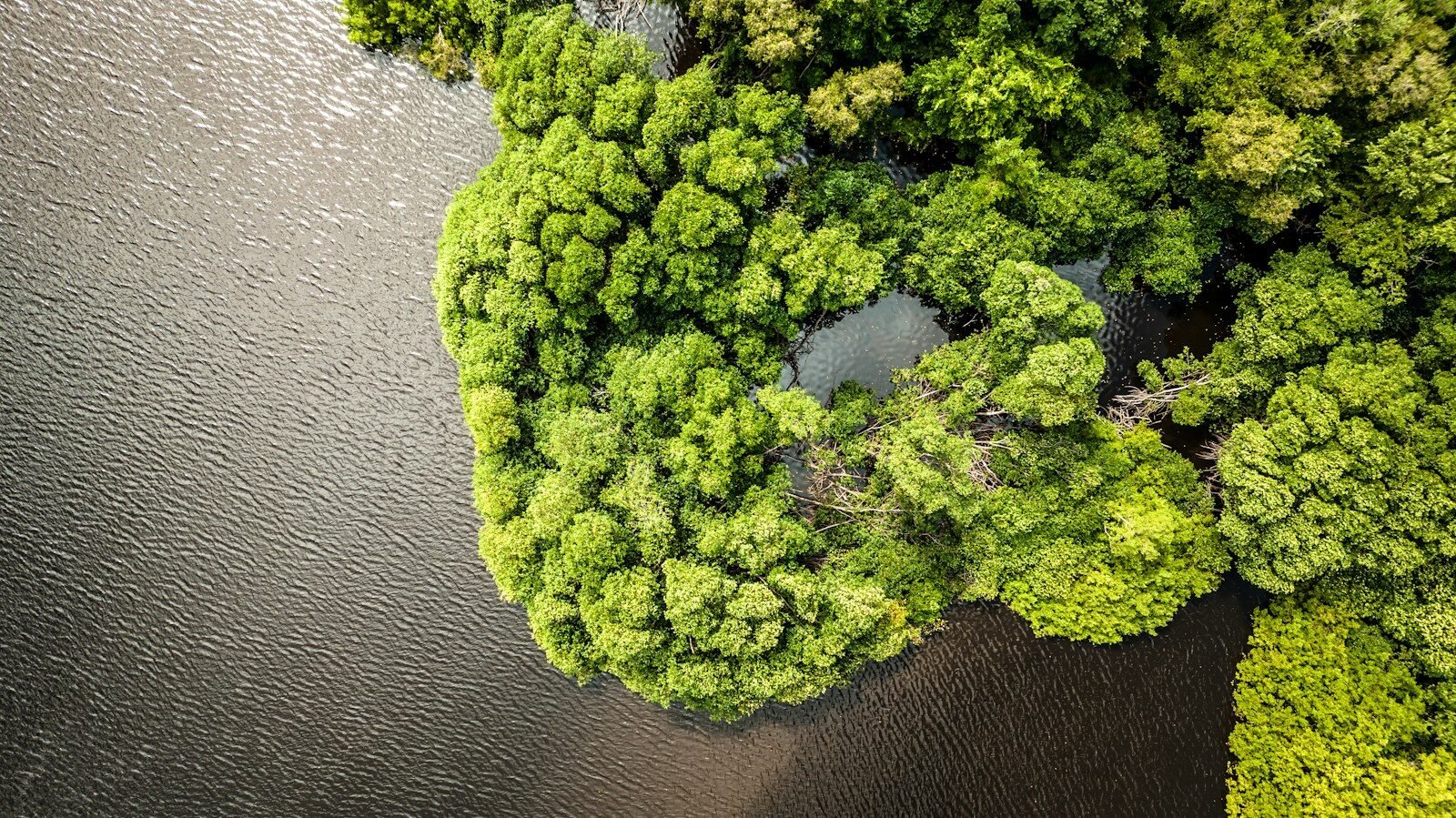
The Meta water positive goal asks a simple question. Can a data center operator give back more water than it uses? The company says it aims to be water positive by 2030 and is funding restoration projects across several watersheds.
What the Meta water positive goal requires
Meta sets a target of restoring 200 percent of the water it consumes in high stress regions and 100 percent in medium stress regions. Since 2017 it reports funding more than 40 restoration projects across nine watersheds, which returned more than 1.6 billion gallons in 2024. These are company reported figures.
Projects on the ground
In Nebraska, an N-Drip precision irrigation conversion covers 100 acres of cropland in the Platte River Basin. In Ireland, Meta is supporting restoration of 450 hectares of degraded blanket bog in the Liffey River Basin. In Farmington, New Mexico, it funds AI leak detection across 300 kilometers of pipeline, with an estimated 250 million gallons saved each year.
Get the Eco Business News newsletter. Free.
Plain news on eco, business and data centers. No spam.
Projection versus delivered
A separate report says Meta supports more than 60 projects across 12 watersheds that are meant to restore over 6 billion gallons a year once fully built. That number is a projection. The delivered volume reported for 2024 is 1.6 billion gallons, and readers should keep the two apart.
Why it matters
Communities near data centers worry about water. Funding leak repair, smarter irrigation and wetland recovery gives local people something they can see, and it fits the way water problems are solved, one watershed at a time. Meta says its water data is third party reviewed and that it is a member of the Water Resilience Coalition.
Tell us what you are building and what changed. Our newsroom reads every submission.
Submit your companySources: Meta water page; ESG News report on Meta water projects. Figures marked as company reported come from the company itself.
Quick recap
- The short version: Listen to this article 1x 1.25x 1.5x (function(){var w=document.currentScript.parentNode;var b=w.querySelector(‘.ebn-lb’),t=w.querySelector(‘.ebn-lt’),s=w.querySelector(‘.ebn-ls’);if(!(‘speechSynthesis’ in window)){w.style.display=’none’;return}var root=w.closest(‘.content-inner’)||document;var q=[],i=0,on=false;function build(){q=[];root.querySelectorAll(‘p,h2’).forEach(function(e){if(e.closest(‘.ebn-listen,.ebn-sub-end’))return;var x=e.textContent.trim();if(x.length>2)q.push(x)});return q}function words(){return build().join(‘ ‘).split(/\s+/).length}t.textContent=Math.max(1,Math.round(words()/160))+’ min listen’;function say(){if(!on||i>=q.length){on=false;b.textContent=’Listen to this article’;b.className=’ebn-lb’;i=0;return}var u=new SpeechSynthesisUtterance(q[i]);u.rate=parseFloat(s.value);u.lang=’en-US’;u.onend=function(){i++;say()};speechSynthesis.speak(u)}b.onclick=function(){if(on){on=false;speechSynthesis.cancel();b.textContent=’Listen to this article’;b.className=’ebn-lb’;return}build();i=0;on=true;b.textContent=’Stop listening’;b.className=’ebn-lb ebn-on’;speechSynthesis.cancel();say()};s.onchange=function(){if(on){speechSynthesis.cancel();say()}};window.addEventListener(‘beforeunload’,function(){speechSynthesis.cancel()})})(); The Meta water positive goal asks a simple question.
- What the Meta water positive goal requires: Meta sets a target of restoring 200 percent of the water it consumes in high stress regions and 100 percent in medium stress regions.
- Projects on the ground: In Nebraska, an N-Drip precision irrigation conversion covers 100 acres of cropland in the Platte River Basin.
- Projection versus delivered: A separate report says Meta supports more than 60 projects across 12 watersheds that are meant to restore over 6 billion gallons a year once fully built.
- Why it matters: Communities near data centers worry about water.
Questions readers ask
What should I know about the short version?
Can a data center operator give back more water than it uses? The company says it aims to be water positive by 2030 and is funding restoration projects across several watersheds.
What should I know about what the meta water positive goal requires?
Since 2017 it reports funding more than 40 restoration projects across nine watersheds, which returned more than 1.6 billion gallons in 2024. These are company reported figures.
What should I know about projects on the ground?
In Ireland, Meta is supporting restoration of 450 hectares of degraded blanket bog in the Liffey River Basin. In Farmington, New Mexico, it funds AI leak detection across 300 kilometers of pipeline, with an estimated 250 million gallons saved each year.
What should I know about projection versus delivered?
That number is a projection. The delivered volume reported for 2024 is 1.6 billion gallons, and readers should keep the two apart.
What should I know about why it matters?
Funding leak repair, smarter irrigation and wetland recovery gives local people something they can see, and it fits the way water problems are solved, one watershed at a time. Meta says its water data is third party reviewed and that it is a member of the Water Resilience Coalition.
Test yourself
- In one sentence, how would you explain the short version to a friend? Compare your answer with the section above.
- In one sentence, how would you explain what the meta water positive goal requires to a friend? Compare your answer with the section above.
- In one sentence, how would you explain projects on the ground to a friend? Compare your answer with the section above.
- In one sentence, how would you explain projection versus delivered to a friend? Compare your answer with the section above.
Share this guide
If this guide on Meta water positive was useful, send it to a colleague, a neighbor or your team. Use the share buttons at the top of the page to post it on LinkedIn, email it, or copy the link.