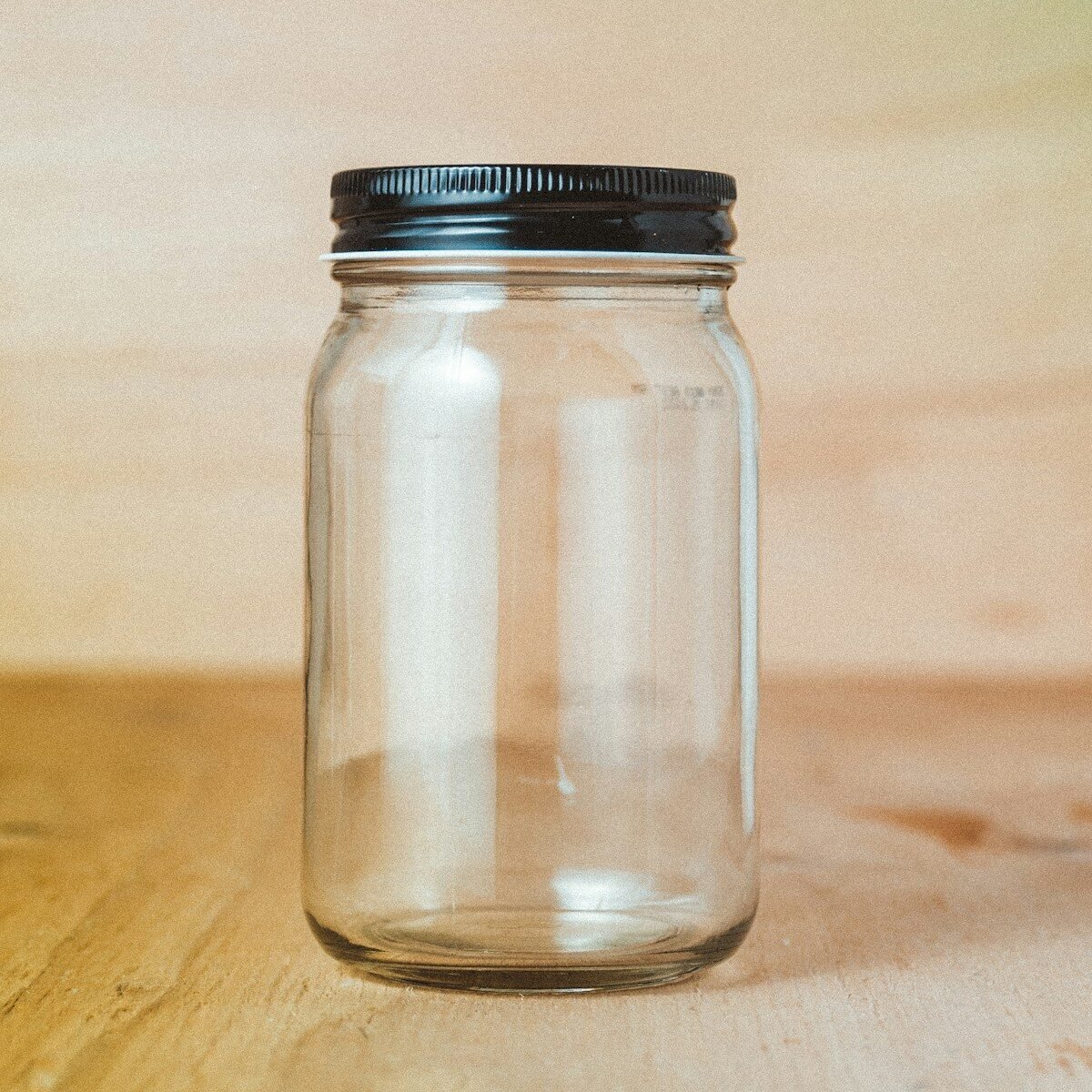

Learning how to recycle glass jars takes about ten seconds, and it makes a real difference. The US EPA lists jars among the items commonly accepted in curbside recycling, as long as they are empty and rinsed.
The three quick steps
Empty and rinse the jar so food does not spoil the batch, the EPA says.
Take the lid off. SUNY Polytechnic Institute also advises keeping the jar whole, because broken glass is harder to sort and can hurt workers. You do not need to peel off the label.
Glass that does not belong
Drinking glasses, dishes, ovenware, ceramics, window panes and mirrors are made differently from jar glass and should stay out of the bin, according to SUNY Poly.
Get the Eco Business News newsletter. Free.
Plain news on eco, business and data centers. No spam.
Where recycled glass goes
Recovered glass gets new uses, including in asphalt for paving roads, the EPA notes.
The fine print
Some areas do not accept glass curbside or want it in a separate bin or drop-off site. The EPA says to confirm with your local program.
Why it matters
Glass is heavy and easy to contaminate. A clean, whole jar is far more likely to become something new.
Try it yourself
Think you know your bins? Play Sort It Right, our free recycling game, and see how many of 12 everyday items you can sort before the clock runs out.
Tell us what you are building and what changed. Our newsroom reads every submission.
Submit your companySources: US EPA recycling FAQ, SUNY Polytechnic Institute, US EPA recycling basics.
Key takeaways on recycle glass jars
Here is the short version on recycle glass jars. Empty and rinse the jar so food does not spoil the batch, the EPA says. Take the lid off. Drinking glasses, dishes, ovenware, ceramics, window panes and mirrors are made differently from jar glass and should stay out of the bin, according to SUNY Poly. Recovered glass gets new uses, including in asphalt for paving roads, the EPA notes. Some areas do not accept glass curbside or want it in a separate bin or drop-off site. Glass is heavy and easy to contaminate. Think you know your bins? Sources: US EPA recycling FAQ, SUNY Polytechnic Institute, US EPA recycling basics.
Use these points on recycle glass jars as a starting point, check the numbers against your own home or business, and share what you learn with someone who can use it.