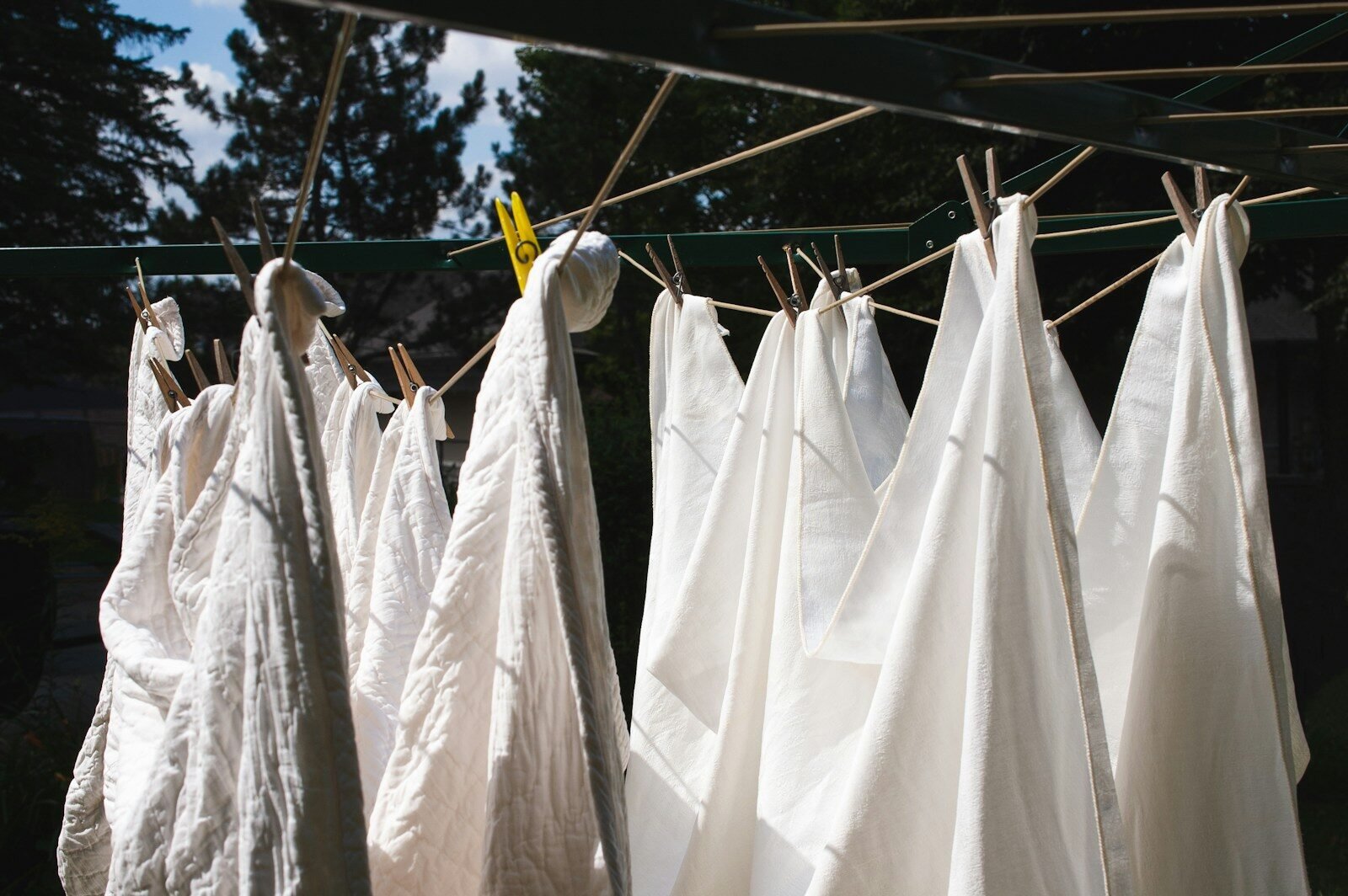

Line drying clothes is the oldest energy saver there is. Sun and air are free, while a typical electric dryer uses a real chunk of a home’s power.
What a dryer uses
The US Department of Energy estimates an average electric dryer uses about 782 kilowatt hours a year.
Dryers made up about 3.3 percent of total US home energy use in 2016, according to the Department of Energy.
Not ready to give up the dryer?
Energy Star says heat pump dryers use around 70 percent less energy than conventional dryers.
About 80 percent of American homes have a dryer, Energy Star notes, so small changes add up across the country.
Get the Eco Business News newsletter. Free.
Plain news on eco, business and data centers. No spam.
Easy middle ground
Air dry towels and heavy items on a rack, or line dry on sunny days and use the dryer only when you need to.
The fine print
Savings depend on your dryer, how often you use it and your local electricity price.
Why it matters
Every load you air dry is energy you never had to buy.
Try it yourself
Can you spot the greener option every time? Play Greener Choice, our free eco quiz game, and see how long your streak lasts.
Tell us what you are building and what changed. Our newsroom reads every submission.
Submit your companySources: US Department of Energy clothes dryer FAQ, Energy Star clothes dryers.
Key takeaways on line drying clothes
Here is the short version on line drying clothes. The US Department of Energy estimates an average electric dryer uses about 782 kilowatt hours a year. Dryers made up about 3. Energy Star says heat pump dryers use around 70 percent less energy than conventional dryers. About 80 percent of American homes have a dryer, Energy Star notes, so small changes add up across the country. Air dry towels and heavy items on a rack, or line dry on sunny days and use the dryer only when you need to. Savings depend on your dryer, how often you use it and your local electricity price. Every load you air dry is energy you never had to buy.
Use these points on line drying clothes as a starting point, check the numbers against your own home or business, and share what you learn with someone who can use it.