





The global explosion of artificial intelligence (AI), cloud computing, and hyperscale digital infrastructure is transforming how energy is generated, stored, and consumed. Behind every chatbot, streaming service, or financial transaction lies a network of vast data centers—megawatt-hungry facilities that have become the backbone of the digital economy. But with this rise comes a pressing question: how will we power them sustainably?
The Energy Demands of Hyperscale Data Centers
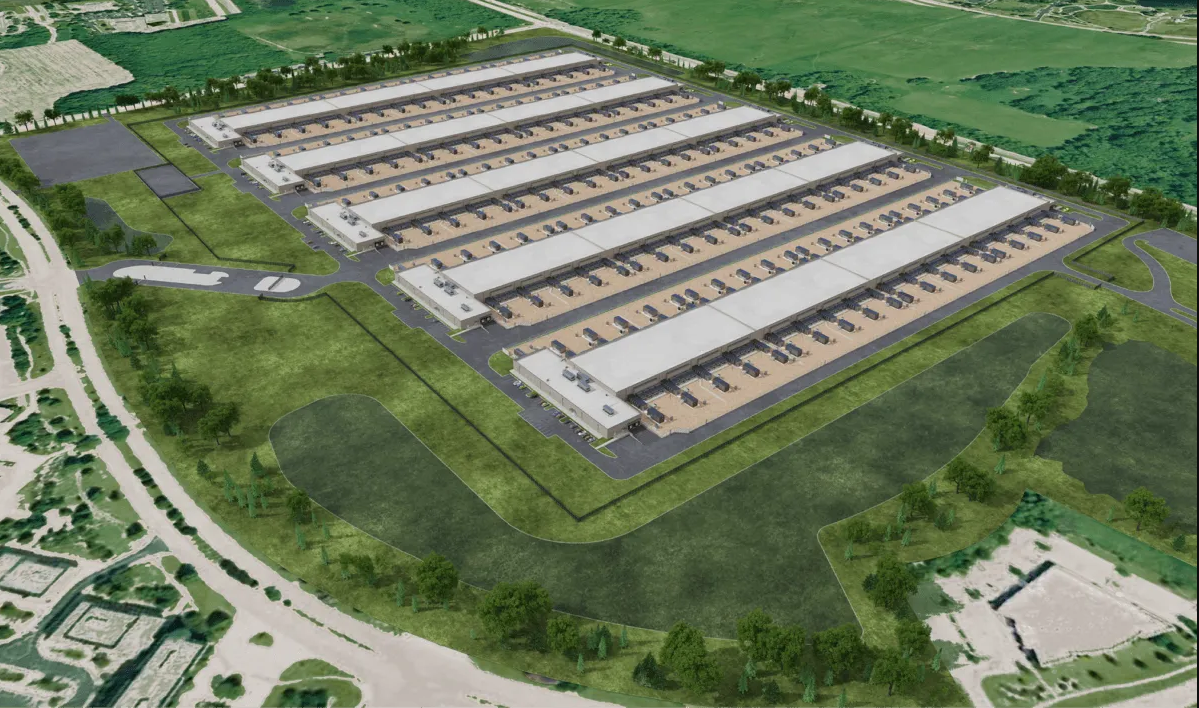
Modern hyperscale campuses—those operated by giants like Amazon Web Services, Microsoft Azure, Google Cloud, Meta, and Oracle—can consume as much electricity as a mid-sized city. These facilities require round-the-clock reliable power for servers, cooling systems, and critical operations.
Traditionally, data centers leaned heavily on fossil-fuel-backed grids for consistency. But as corporations pursue net-zero carbon targets, the demand for renewable power purchase agreements (PPAs), battery storage systems, and microgrids has surged.
This shift is particularly pronounced in energy-intensive markets such as Texas (ERCOT) and California, where growth in both digital infrastructure and renewable resources is accelerating.
Enter the Battery: Storage as the Digital Backbone
Renewables like solar and wind are intermittent. The solution? Battery Energy Storage Systems (BESS). By pairing multi-hour storage with large-scale solar or wind farms, developers can deliver consistent, dispatchable clean power that matches data center demand curves.
Technologies like lithium-ion Megapacks, zinc-based long-duration batteries, and even green hydrogen fuel cells are finding real-world applications in hyperscale campuses. These systems not only enhance grid stability but also allow operators to hedge against volatile energy markets.
Spotlight on Yotta Energy
One of the most talked-about innovators is Yotta Energy, headquartered in Austin, Texas. Yotta has developed a unique decentralized energy storage solution designed to integrate directly with solar PV at the panel level. This approach reduces system complexity and costs while boosting resilience.
At events like RE+ 2025, Yotta has showcased how modular storage can support everything from EV charging hubs to commercial rooftop projects and, increasingly, data centers seeking scalable, distributed solutions. By thinking beyond centralized storage, Yotta is helping pave the way for a more flexible and resilient digital power backbone.
The Role of RE+ as the Industry’s Launchpad
The annual RE+ conference (formerly Solar Power International) has become the de facto global stage for unveiling the latest in clean energy innovation. In recent years, the show has shifted from being purely solar-focused to highlighting battery storage, microgrids, hydrogen, and hybrid solutions—all directly tied to the future of data center energy supply.
This year’s discussions center around how to build gigawatt-scale clean power projects to meet the needs of hyperscalers and colocation providers. The message is clear: without massive clean energy investments, the digital economy’s growth could outpace sustainable power availability.
Where the Industry is Headed
The convergence of digital infrastructure and clean energy represents one of the largest industrial transformations in history. Several trends are defining this new era:
- Gigawatt-Scale Projects – Developers are proposing projects measured not in megawatts, but in gigawatts, specifically targeting hyperscale campuses.
- On-Site Generation and Microgrids – Increasing interest in behind-the-meter solar, battery, and co-gen systems to ensure resilience.
- Hydrogen as Prime Power – Green hydrogen pilots are gaining traction as potential backup or even primary power sources.
- AI-Powered Energy Optimization – Just as AI consumes energy, it’s also helping optimize power usage and dispatch strategies at scale.
The future is no longer about choosing between digital growth and environmental responsibility—it’s about building the infrastructure to achieve both simultaneously.
Conclusion
The AI and cloud boom is rewriting the rules of the energy sector. As hyperscalers demand 24/7 clean megawatts, companies like Yotta and platforms like RE+ are shaping the future of how digital infrastructure is powered.
For stakeholders across tech, energy, and policy, the stakes are high. The winners will be those who can balance scale, sustainability, and reliability—fueling the next generation of computing while driving the clean-energy transition forward.