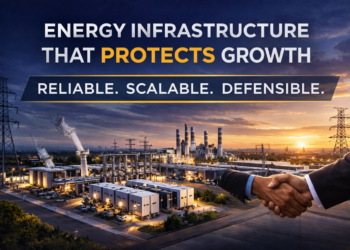









The Future of Sustainable Bitcoin Mining
Bitcoin mining is no longer a hobbyist pursuit. It has become one of the most energy-intensive digital industries on the planet, drawing attention from policymakers, environmental groups, and investors concerned about its carbon footprint. Recent studies show global mining operations consume more electricity than some countries, with fossil-fuel dependence amplifying the industry’s environmental challenges.
But a new model is emerging: AI-optimized hybrid energy systems. These integrate solar, battery storage, cogeneration, and smart grid balancing to redefine what “green mining” can look like. Instead of relying solely on fossil fuels or being vulnerable to volatile grid prices, miners are transitioning to renewable-driven operations that offer both economic efficiency and environmental responsibility.
Phase 1: Smart Planning for a Hybrid Mining Model
Calculating Power Demand
At the heart of every mining operation is its energy footprint. Each ASIC miner consumes 2.5–3.5 kW, and supporting systems (cooling, networking, monitoring) add another 10–20%. In a 10 MW facility, this margin can mean the difference between efficiency and costly overextension.
AI-powered forecasting platforms model daily and seasonal fluctuations, simulate load curves, and optimize renewable integration. This allows miners to predict when solar or battery storage can meet demand—and when grid or backup systems are needed.
Site Selection: Geography Meets Energy Policy
Location is a critical factor in hybrid energy success:
- Sunlight & Geography: Regions like the U.S. Southwest, Latin America, and parts of Asia offer high solar irradiance, lowering energy costs.
- Land Footprint: A 1 MW solar array usually requires 4–5 acres, making land access and permitting vital for scaling.
- Grid Access: Proximity to substations, transmission lines, and utility programs (e.g., net metering, demand-response) boosts project economics.
Choosing the Right Hardware
- ASIC Efficiency: Modern miners from manufacturers such as Bitmain and Bitdeer deliver higher hashrate per watt.
- Solar Modules: Bifacial panels with single- or dual-axis trackers can improve capture by 15–20%.
- Battery Storage: Lithium iron phosphate (LFP) batteries offer longer life cycles and greater efficiency.
- AI-Driven Controllers: These smart systems balance solar, batteries, cogeneration, and grid input in real time.
Phase 2: Building the Hybrid Energy System
Integrating Solar, Storage, and Cogeneration
Solar panels supply clean power during the day, but intermittency remains a challenge. Battery banks, typically sized at 2–3× the daily load, store surplus power for nights and cloudy days. Cogeneration systems—gas turbines with heat recovery—add a reliable, lower-carbon supplement to grid electricity.
AI-Driven Energy Management
Artificial intelligence plays a central role in sustainable mining:
- Forecasts solar production using weather data.
- Optimizes battery charge/discharge cycles.
- Aligns ASIC operation with low-cost energy periods.
- Predicts component failure for preventive maintenance.
Mining Optimization Strategies
Sustainability isn’t just about power sources. Operations themselves are evolving:
- Immersion Cooling: Extends ASIC lifespan and enables heat reuse for agriculture, aquaculture, or district heating.
- Heat Capture & Reuse: Converts a waste product into a secondary revenue stream.
- Multi-Source Integration: Combining solar, wind, hydro, and cogeneration improves resilience and reduces reliance on any single source.
Phase 3: Long-Term Operations and Sustainability
Monitoring and Maintenance
Sustainability continues beyond setup. AI-enabled dashboards now track miner performance, panel cleanliness, inverter output, and battery health. For example, dust on panels can reduce efficiency by 5–10%. Predictive maintenance minimizes downtime and extends asset life.
Financial and Policy Levers
- Incentives and Tax Credits: Programs like the U.S. Inflation Reduction Act (IRA) can cut capital costs for solar + storage by up to 30%.
- Grid Services Participation: Miners can join demand-response programs, powering down during peak hours and getting paid for it.
- Excess Energy Sales: Net metering and power purchase agreements (PPAs) enable selling surplus renewable energy back to utilities.
Why This Transition Matters
- Environmental Impact: Moving away from coal- and gas-heavy grids lowers emissions and water usage, improving social acceptance.
- Energy Transition Role: Mining farms act as flexible demand resources, aligning their power usage with times of renewable oversupply.
- Technology Leadership: AI, smart energy storage, and blockchain represent a fusion of digital innovation and sustainability.
A Partner in Sustainable Mining and Data Centers
As the industry shifts toward hybrid and renewable-powered designs, experienced partners are crucial. One example is Pacifico Energy, a company engaged in developing large-scale renewable and cogeneration solutions tailored for energy-intensive sectors like mining and data centers.
They support projects through site assessments, feasibility studies, and full-scale hybrid energy system development—helping align economic returns with sustainability goals.
For inquiries or site assessments: phil@pacificoenergy.com
Looking Ahead
Bitcoin mining has long faced criticism for its environmental toll. But with the rise of AI-driven hybrid systems and clean energy integration, it’s positioned to become one of the most adaptive and responsible energy consumers on the modern grid.
Forward-looking miners aren’t just producing Bitcoin—they’re pioneering intelligent, sustainable infrastructure that strengthens the grid, accelerates decarbonization, and proves that digital innovation and climate goals can align.
Bitcoin mining is no longer a hobbyist pursuit. It has become one of the most energy-intensive digital industries on the planet, drawing the attention of policymakers, environmental groups, and investors concerned about its carbon footprint. According to recent studies, global mining operations consume more electricity than some countries, with fossil-fuel dependence amplifying the industry’s environmental challenges.
But a new model is emerging. AI-optimized hybrid energy systems—which integrate solar, battery storage, cogeneration, and smart grid balancing—are redefining what “green mining” can look like. Instead of relying solely on fossil fuels or exposing operations to volatile grid prices, miners are turning toward renewable-driven operations that deliver both economic efficiency and environmental responsibility.
Phase 1: Smart Planning for a Hybrid Mining Model
Calculating Power Demand
At the foundation of every mining operation is its energy footprint. Each ASIC miner consumes 2.5–3.5 kW, while supporting systems (cooling, networking, and monitoring) typically add 10–20% more. For a 10 MW facility, this can mean the difference between efficient design and costly overextension.
AI-powered forecasting platforms are now being deployed to model daily and seasonal fluctuations, simulate load curves, and optimize renewable integration. These tools allow miners to predict when solar or battery storage can cover demand—and when grid or backup systems must kick in.
Site Selection: Geography Meets Energy Policy
Location is a critical variable in building a hybrid energy model:
- Sunlight and geography: Regions like the U.S. Southwest, Latin America, and parts of Asia enjoy exceptional solar irradiance, reducing levelized cost of energy (LCOE).
- Land footprint: A 1 MW solar array typically requires 4–5 acres, making land acquisition and permitting a top priority for large-scale farms.
- Grid access: Proximity to substations, transmission lines, and utilities offering net metering or demand-response programs can significantly enhance project economics.
Choosing the Right Hardware
- ASIC efficiency: Next-generation miners from companies like Bitmain and Bitdeer offer higher terahash output per watt consumed.
- Solar modules: Bifacial panels and single- or dual-axis trackers improve solar capture by 15–20%.
- Battery storage: Lithium-ion, particularly lithium iron phosphate (LFP), provides longer cycle life and higher efficiency than legacy lead-acid systems.
- AI-driven controllers: These smart systems orchestrate the balance between solar, batteries, cogeneration, and grid interaction in real time.
Phase 2: Building the Hybrid Energy System
Integrating Solar, Storage, and Cogeneration
Solar panels deliver clean power during daylight, but the intermittent nature of renewables has long been a stumbling block. Oversized battery banks—typically sized at 2–3× daily load—store surplus energy for use at night or on cloudy days. Cogeneration systems (gas turbines with heat recovery) can provide a reliable, efficient supplement, reducing overall carbon intensity compared to grid-only dependence.
AI-Driven Energy Management
Artificial intelligence has become the backbone of sustainable mining. Machine learning algorithms forecast solar production using weather data, optimize charge/discharge cycles for storage, and schedule ASIC operation to align with the lowest-cost energy windows. AI can even predict component failure, reducing downtime and extending system life.
Mining Optimization Strategies
Sustainability in mining extends beyond energy sourcing:
- Immersion cooling not only extends ASIC lifespan but also allows waste heat reuse in district heating, agriculture, or aquaculture.
- Heat capture and reuse can turn a byproduct into a secondary business model.
- Multi-source integration (solar + wind + hydro + cogeneration) reduces reliance on any single fuel and provides operational resilience.
Phase 3: Long-Term Operations and Sustainability
Monitoring and Maintenance
Efficiency doesn’t stop at commissioning. AI-enabled dashboards now monitor miner performance, panel cleanliness, inverter output, and battery health. Even simple issues—like dust on panels—can reduce production by 5–10%. Predictive maintenance prevents downtime and extends asset life.
Financial and Policy Levers
- Incentives and tax credits: In the U.S., the Inflation Reduction Act (IRA) provides tax credits for solar + storage systems, which can reduce capital costs by up to 30%.
- Grid services: Miners are increasingly participating in demand-response programs, powering down during peak demand to stabilize grids and earning compensation in return.
- Excess energy sales: Net metering and power purchase agreements (PPAs) allow operators to sell surplus renewable generation back to utilities.
Why This Transition Matters
- Environmental impact: Transitioning from coal and gas-heavy grids to renewables cuts emissions and water use, making mining more socially acceptable.
- Energy transition role: Mining farms can act as flexible demand resources, aligning consumption with periods of excess renewable generation.
- Technology leadership: AI, smart energy storage, and blockchain represent a convergence of digital innovation and sustainable infrastructure.
Pacifico Energy: A Partner in Sustainable Mining and Data Centers
As the industry moves toward hybrid and renewable-driven designs, specialized partners are essential for scaling projects. Pacifico Energy is actively engaged in developing large-scale renewable and cogeneration solutions tailored for energy-intensive industries like mining and data centers.
From site assessments and feasibility studies to greenfield development and hybrid cogeneration projects, Pacifico brings the expertise needed to align financial goals with sustainability commitments.
For inquiries or site assessments, contact: phil@pacificoenergy.com
The Future of Sustainable Bitcoin Mining
Mining has long been criticized for its environmental impact. Yet, with the integration of AI, renewable energy, and hybrid systems, it is poised to become one of the most adaptive and resilient energy consumers on the modern grid.
Forward-looking operators are no longer just mining Bitcoin—they’re building AI-driven clean energy infrastructure that supports grid stability, accelerates decarbonization, and demonstrates how digital industries can coexist with climate goals.
If executed at scale, the sector’s biggest challenge—its energy demand—could transform into its greatest contribution: acting as a flexible, intelligent partner in the global energy transition.
👉 For more stories on cleantech, circular economy, and the future of sustainable infrastructure, explore our Sustainability Playbook.