

Seventh Generation sustainability is worth a close look because the company is open about what is working and what is not. Its 2024 impact report shows real progress on climate and product design, and an honest miss on plastic.
Climate progress at Seventh Generation
The company, a founding B Corporation that traces its story to 1988, reports that its absolute Scope 1 and 2 emissions are down 100 percent, and that emissions intensity is down 42 percent from a 2012 baseline. It also says product use accounts for 94 percent of its footprint, which shows why the products themselves matter most. These figures are company reported.
Better products and packaging
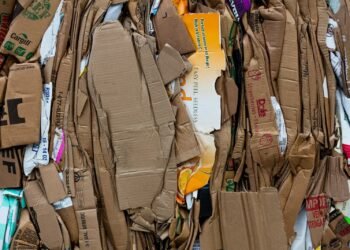
More than 96 percent of its products and packaging are reusable, recyclable or biodegradable, up from 94 percent in 2023, according to the report. Its laundry and dish products are more than 95 percent biobased and carry the USDA BioPreferred label.
Get the Eco Business News newsletter. Free.
Plain news on eco, business and data centers. No spam.
The plastic miss
The report says the company used 737 tonnes of virgin petroleum based plastic packaging in 2024, up 4 percent from 2023, and that it is not yet on track for its goal. New sprayers with 40 percent recycled plastic content are due to ship from 2026. Reporting a setback in your own annual report is a mark of trust.
Beyond the factory
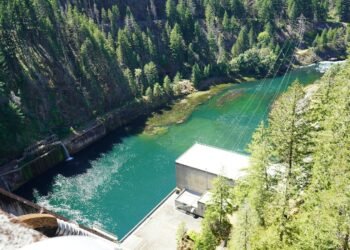
The company supports forest protection in Indonesia through the Kaleka program with Unilever, which it reports protected 14,633 hectares and restored 131 hectares in 2023 and 2024. It also backed business coalitions that helped Vermont and New York pass Climate Change Superfund Acts in 2024. Seventh Generation is owned by Unilever, a fact worth keeping in mind when reading its reports.
Tell us what you are building and what changed. Our newsroom reads every submission.
Submit your companySources: Seventh Generation 2024 Impact Report; Seventh Generation company page. Figures marked as company reported come from the company itself.