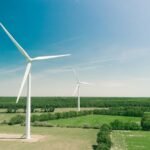

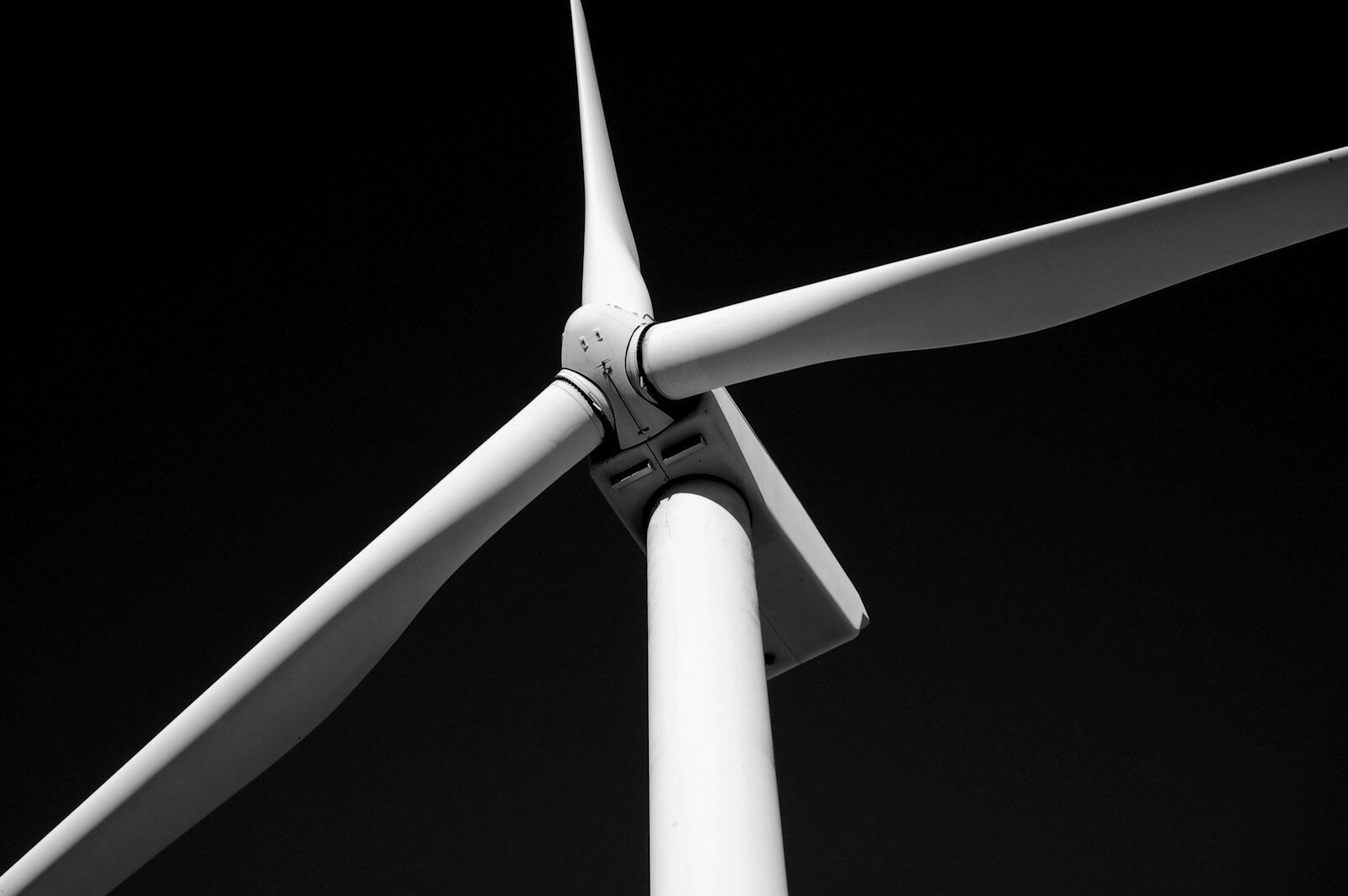
Wind blade recycling is one of the hardest problems in clean energy, and Vestas has put a date on solving it. The Danish turbine maker aims for zero-waste wind turbines by 2040, though it calls this a goal rather than a hard target.
The wind blade recycling roadmap
Vestas launched its Circularity Roadmap in October 2021. It aims for a 100 percent recyclable rotor and a recycling rate above 94 percent by 2030, up from 55 percent, and landfill use below 1 percent, down from 7 percent. The company says its turbines are at least 85 percent recyclable by weight today. These are company figures and the company’s pages give slightly different ranges.
The chemistry behind it
The challenge is blades made of epoxy composites, which are strong and hard to separate. A process called CETEC, short for Circular Economy for Thermosets Epoxy Composites, splits the epoxy blades into their components without changing blade design. Partners include the Danish Technological Institute, Olin and Aarhus University, with a testbed in Halmstad, Sweden, co-funded by the Swedish Energy Agency.
Get the Eco Business News newsletter. Free.
Plain news on eco, business and data centers. No spam.
Where it stands
A May 2026 release from Stena Metall described a testbed and said a commercial model is expected within a few years. In other words, large scale blade recycling is not yet a commercial business. Vestas also notes that wind farm owners hold final responsibility for taking turbines apart.
Why it matters
Wind power is growing fast, and the first generation of turbines is reaching retirement. A clear recycling path protects the industry’s clean reputation and creates jobs in a new materials business. The 2040 goal is an ambition to hold the company to.
Tell us what you are building and what changed. Our newsroom reads every submission.
Submit your companySources: Vestas zero waste page; Vestas recyclability page; Stena Metall release, May 12, 2026. Figures marked as company reported come from the company itself.
Quick recap
- The short version: Listen to this article 1x 1.25x 1.5x (function(){var w=document.currentScript.parentNode;var b=w.querySelector(‘.ebn-lb’),t=w.querySelector(‘.ebn-lt’),s=w.querySelector(‘.ebn-ls’);if(!(‘speechSynthesis’ in window)){w.style.display=’none’;return}var root=w.closest(‘.content-inner’)||document;var q=[],i=0,on=false;function build(){q=[];root.querySelectorAll(‘p,h2’).forEach(function(e){if(e.closest(‘.ebn-listen,.ebn-sub-end’))return;var x=e.textContent.trim();if(x.length>2)q.push(x)});return q}function words(){return build().join(‘ ‘).split(/\s+/).length}t.textContent=Math.max(1,Math.round(words()/160))+’ min listen’;function say(){if(!on||i>=q.length){on=false;b.textContent=’Listen to this article’;b.className=’ebn-lb’;i=0;return}var u=new SpeechSynthesisUtterance(q[i]);u.rate=parseFloat(s.value);u.lang=’en-US’;u.onend=function(){i++;say()};speechSynthesis.speak(u)}b.onclick=function(){if(on){on=false;speechSynthesis.cancel();b.textContent=’Listen to this article’;b.className=’ebn-lb’;return}build();i=0;on=true;b.textContent=’Stop listening’;b.className=’ebn-lb ebn-on’;speechSynthesis.cancel();say()};s.onchange=function(){if(on){speechSynthesis.cancel();say()}};window.addEventListener(‘beforeunload’,function(){speechSynthesis.cancel()})})(); Wind blade recycling is one of the hardest problems in clean energy, and Vestas has put a date on solving it.
- The wind blade recycling roadmap: Vestas launched its Circularity Roadmap in October 2021.
- The chemistry behind it: The challenge is blades made of epoxy composites, which are strong and hard to separate.
- Where it stands: A May 2026 release from Stena Metall described a testbed and said a commercial model is expected within a few years.
- Why it matters: Wind power is growing fast, and the first generation of turbines is reaching retirement.
Questions readers ask
What should I know about the short version?
The Danish turbine maker aims for zero-waste wind turbines by 2040, though it calls this a goal rather than a hard target.
What should I know about the wind blade recycling roadmap?
It aims for a 100 percent recyclable rotor and a recycling rate above 94 percent by 2030, up from 55 percent, and landfill use below 1 percent, down from 7 percent. The company says its turbines are at least 85 percent recyclable by weight today.
What should I know about the chemistry behind it?
A process called CETEC, short for Circular Economy for Thermosets Epoxy Composites, splits the epoxy blades into their components without changing blade design. Partners include the Danish Technological Institute, Olin and Aarhus University, with a testbed in Halmstad, Sweden, co-funded by the Swedish Energy Agency.
What should I know about where it stands?
In other words, large scale blade recycling is not yet a commercial business. Vestas also notes that wind farm owners hold final responsibility for taking turbines apart.
What should I know about why it matters?
A clear recycling path protects the industry’s clean reputation and creates jobs in a new materials business. The 2040 goal is an ambition to hold the company to.
Test yourself
- In one sentence, how would you explain the short version to a friend? Compare your answer with the section above.
- In one sentence, how would you explain the wind blade recycling roadmap to a friend? Compare your answer with the section above.
- In one sentence, how would you explain the chemistry behind it to a friend? Compare your answer with the section above.
- In one sentence, how would you explain where it stands to a friend? Compare your answer with the section above.
Share this guide
If this guide on wind blade recycling was useful, send it to a colleague, a neighbor or your team. Use the share buttons at the top of the page to post it on LinkedIn, email it, or copy the link.