• Contact
Friday, November 27, 2026
  • Login
EcoBusinessNews
  • Home
  • Eco Guides
  • Spec Kits
  • Business
  • Energy
  • Company Stories
  • Eco Stocks
  • About
  • Submit
No Result
View All Result
  • Home
  • Eco Guides
  • Spec Kits
  • Business
  • Energy
  • Company Stories
  • Eco Stocks
  • About
  • Submit
EcoBusinessNews
No Result
View All Result
EcoBusinessNews

Data Centers and Water: What Owners Need to Know About Cooling Demand

Eco Business News by Eco Business News
November 27, 2026
in Cooling and Water
Reading Time: 5 mins read
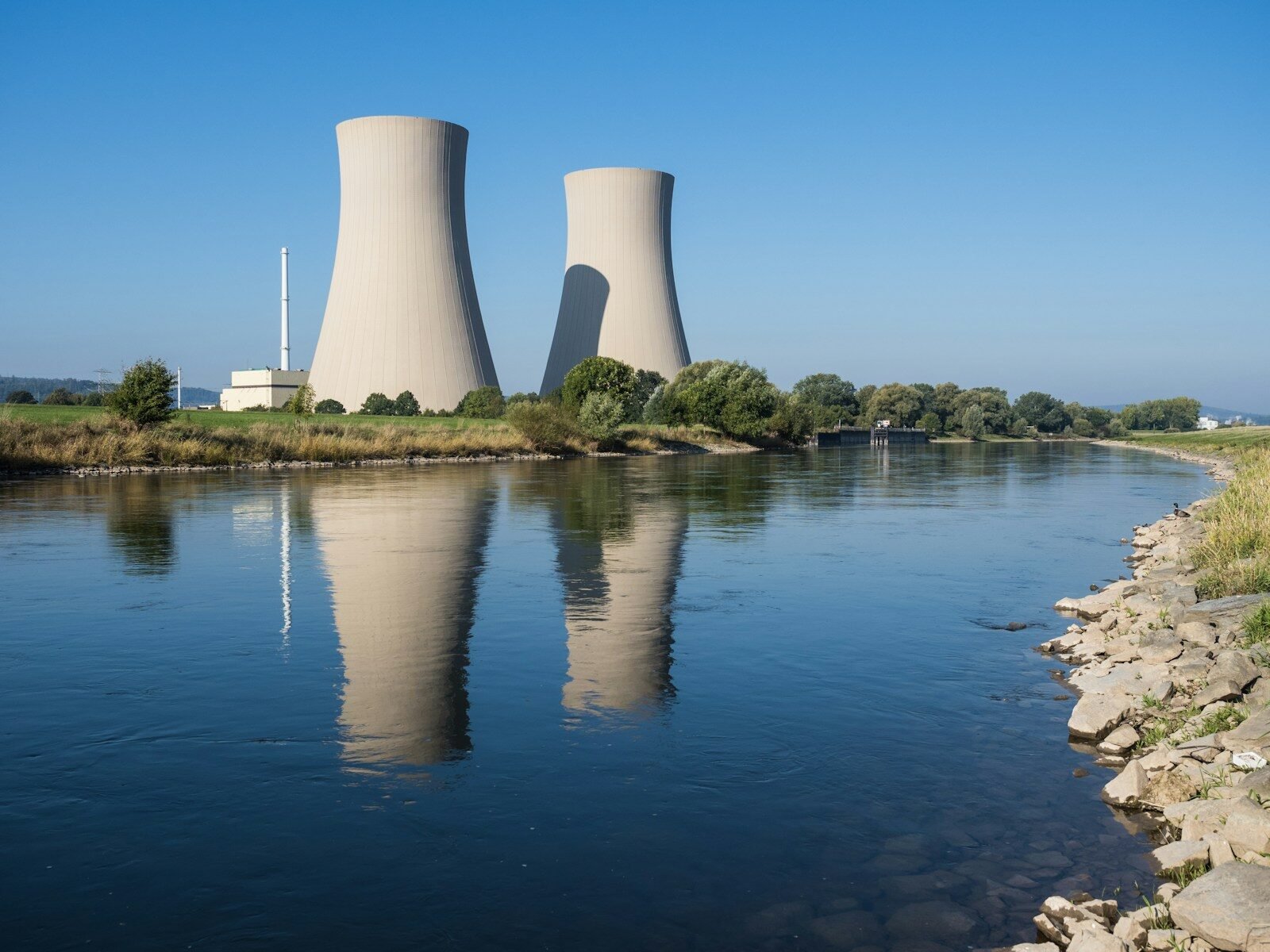
A body of water with two cooling towers in the background

Data centers use a lot of electricity, and most people know that. Fewer people think about water. Yet many large facilities rely on water to cool their equipment, and that water has to come from somewhere. For owners, operators, and the communities around them, the water question is becoming as important as the power question.

Why cooling uses water

Servers produce heat all day, every day. Removing that heat is one of the largest jobs in a data center. Some facilities use air-cooled systems that rely mostly on electricity and fans. Others use evaporative cooling towers, which send warm water over a fill material while air moves across it. A portion of that water evaporates, carrying heat away. The rest of the water is recirculated, and some is drained to remove mineral buildup. That drained water, called blowdown, has to go somewhere.

Evaporative systems are efficient in many climates, and that efficiency is the reason they are common. The tradeoff is that they consume water that does not come back. Depending on the site, weather, and cooling load, a single campus can use a meaningful volume of water each day.

Why the numbers vary so much

Published water figures for data centers differ widely, and there are good reasons. Water use depends on the cooling design, the local climate, the server load, and whether the facility uses reclaimed or potable water. A cool, humid site may need less evaporative cooling than a hot, dry one. A facility running at full load in July uses more water than the same building in a mild month.

Because of this, a single average number can be misleading. Owners and planners should ask for water use by season, by load, and by cooling mode. They should also ask whether the figure is a design estimate or a measured value from an operating site.

Water source matters as much as volume

Two facilities can use the same amount of water and have very different impacts. One may draw from a municipal supply with plenty of capacity. Another may draw from a stressed aquifer or a river already under pressure during dry months. Some operators are turning to reclaimed wastewater, which can be a strong option where it is available and treated to the right standard.

The source question also affects permitting and community relations. Local utilities and water boards are paying closer attention to large new users, and they may ask for detailed projections before approving service.

What owners and designers can do

The most useful steps happen early, during site selection and design. Here are a few that tend to matter most.

  • Ask for a water balance that covers normal operation, peak load, and drought conditions.
  • – Compare cooling options on water use and energy use together, since reducing one can increase the other.
  • – Look at reclaimed water availability before committing to a site.
  • – Plan storage and blowdown handling so the system does not depend on a single pipe or permit.
  • – Track water use after commissioning and publish the results.

Each of these steps adds some cost and some design work. Skipping them usually costs more later, when a utility, regulator, or neighbor asks questions that the design team cannot answer.

Where the valves come in

Valves are part of this story more than most people realize. Cooling loops, condenser water lines, and chilled water systems all depend on isolation, control, and balancing valves that hold up under constant service. When the system is designed around water efficiency, the valves that manage flow, temperature, and pressure have a direct effect on how much water the system uses and how well it runs.

Specifying the right valve for the duty cycle, the water chemistry, and the expected service life helps keep the loop efficient and reduces the chance of leaks and unplanned shutdowns. That is one reason mechanical engineers and owners increasingly ask for complete data on valve materials, pressure ratings, and maintenance intervals before approving a design.

What to watch next

Expect more reporting on data center water use over the next few years. Some regions are moving toward disclosure requirements, and large operators are publishing water data in sustainability reports. Community groups are also asking harder questions when a new facility is proposed.

For anyone involved in planning, the message is simple. Water is not a side issue. It is a design input, a permit issue, and a public relationship. The sites that plan for it from the start will move faster and face fewer surprises than the ones that treat it as an afterthought.

A good first question for any new site is simple: where will the water come from, and what happens to it after it is used? If the answer is clear, numbers included, the project is on a stronger footing. If it is not, that gap is worth closing before the first shovel goes in the ground.

Eco Business News

Eco Business News

The Eco Business News team reports on data center construction, energy and sustainable business. We link to our sources and correct mistakes quickly.

Related Stories

Eco Business News

Data Centers and Water: Where the Cooling Water Goes

by Eco Business News
November 25, 2026
0

Data centers use water to reject heat. Here is where the water goes, why it matters for communities, and what designers are doing about it.

PUE power usage effectiveness - data center power infrastructure

How to Specify Building Automation and Controls for Critical Facilities

by Eco Business News
November 27, 2026
0

To specify building automation for a data center or hospital, an engineer is choosing the nervous system of the plant. Controls decide how chillers stage, how pumps ramp,...

liquid cooling data center - server rack cooling technology

How to Specify Check, Balancing and Control Valves

by Eco Business News
November 27, 2026
0

Engineers who specify control valves, balancing valves and check valves decide how well a water system behaves for decades. Isolation valves get the attention, but these three families...

water usage effectiveness - data center server water cooling

How to Specify Pumps for Chilled and Condenser Water Systems

by Eco Business News
November 21, 2026
0

Specifying pumps sounds simple until a plant fails because one was oversized, mismatched to the system curve, or left without isolation. Pumps move the heat in every chilled...

Free newsletter
Get the Eco Business News newsletter

Eco, business and data center news in plain words.

Browse topics

Company StoriesEco GuidesEnergyBusinessClimate TechCircular EconomyEco GamesEco Calculators
NEW TO ECO?Start with plain English guidesRecycling, energy, water and the climate numbers behind the news, explained simply.Read Eco Guides

Latest news

  • A body of water with two cooling towers in the background
    Data Centers and Water: What Owners Need to Know About Cooling DemandNovember 27, 2026
  • white windmill during daytime
    Net Zero vs Carbon Neutral: What the Difference Actually MeansNovember 26, 2026
  • Outdoor heat pump unit next to a brick building
    Heat Pumps for Buildings: How They Work and Why Owners Are SwitchingNovember 25, 2026
  • red yellow and green trash bins
    Circular Economy for Business: 7 Ways to Cut Waste and Make MoneyNovember 23, 2026
  • Eco Business News
    Data Centers and Water: Where the Cooling Water GoesNovember 23, 2026
In this article
    #1
    Nominate a good company

    Know a business or project doing real good for the planet? Tell us. We read every one.

    Eco tip of the day

    Share this story
    LinkedInEmailCopy link
    ECO GAMESPlay, learn, shareDrop a seed, sort the recycling, pick the greener choice and answer the Daily Eco Question.Play free games
    Eco Business News

    Eco Business News is not owned or operated by Pratt Industrial or Mueller Water Products. Contributors may work for companies mentioned on this site. Confirm product details with the manufacturer before specifying.

    Recent posts

    • Data Centers and Water: What Owners Need to Know About Cooling Demand November 27, 2026
    • Net Zero vs Carbon Neutral: What the Difference Actually Means November 26, 2026
    • Heat Pumps for Buildings: How They Work and Why Owners Are Switching November 25, 2026
    • Circular Economy for Business: 7 Ways to Cut Waste and Make Money November 23, 2026
    Contact
    YOU ARE ON A ROLL

    Eco Business News, Every Week

    New eco games, good company stories and plain news, free in your inbox once a week. No spam.

    Topics

    • Company Stories
    • Eco Guides
    • Energy
    • Business
    • Climate Tech
    • Eco Games
    • Eco Calculators
    • Home
    • Contact
    • Subscribe
    • Privacy Policy
    • About Eco Business News
    • Terms of Use
    • Editorial Policy
    • Eco Spotlight

    © 2026 Eco Business News. All rights reserved.

    Welcome Back!

    Login to your account below

    Forgotten Password?

    Retrieve your password

    Please enter your username or email address to reset your password.

    Log In
    No Result
    View All Result
    • Home
    • Eco Guides
    • Spec Kits
    • Business
    • Climate Tech
    • Energy
    • Company Stories
    • Eco Stocks
    • Calculators
    • Eco Games
    • About
    • Submit
    • Contact
    • Subscribe

    © 2026 Eco Business News. All rights reserved.