





Golf courses are traditionally seen as recreational havens — sprawling fairways, manicured greens, and iconic clubhouses. Yet, these vast landscapes represent untapped opportunities for renewable energy, hybrid energy systems, and sustainable infrastructure. Across the United States and Asia, golf courses occupy millions of acres of land that could be harnessed to generate solar energy, store electricity, support co-generation systems, and even host data centers — all while maintaining their ecological and recreational value.
This article explores how golf courses can transform into large-scale renewable energy hubs, the design strategies to integrate these systems seamlessly into green landscapes, and the economic and environmental opportunities for developers, investors, and sustainability-minded operators.
Land Availability: A Hidden Asset
Golf courses are more than just spaces for sport; they are significant land assets:
- United States: Approximately 15,000 golf courses occupy 2.3 million acres, more land than is currently allocated to solar and wind farms combined.
- Asia: Rapid growth in golf course development across Thailand, Vietnam, Japan, and South Korea presents hundreds of thousands of acres of potential renewable energy integration.
This scale of land availability creates a unique chance to merge recreational, energy, and commercial uses without competing with agricultural or urban development.
Solar Energy Integration: Maximizing the Sun
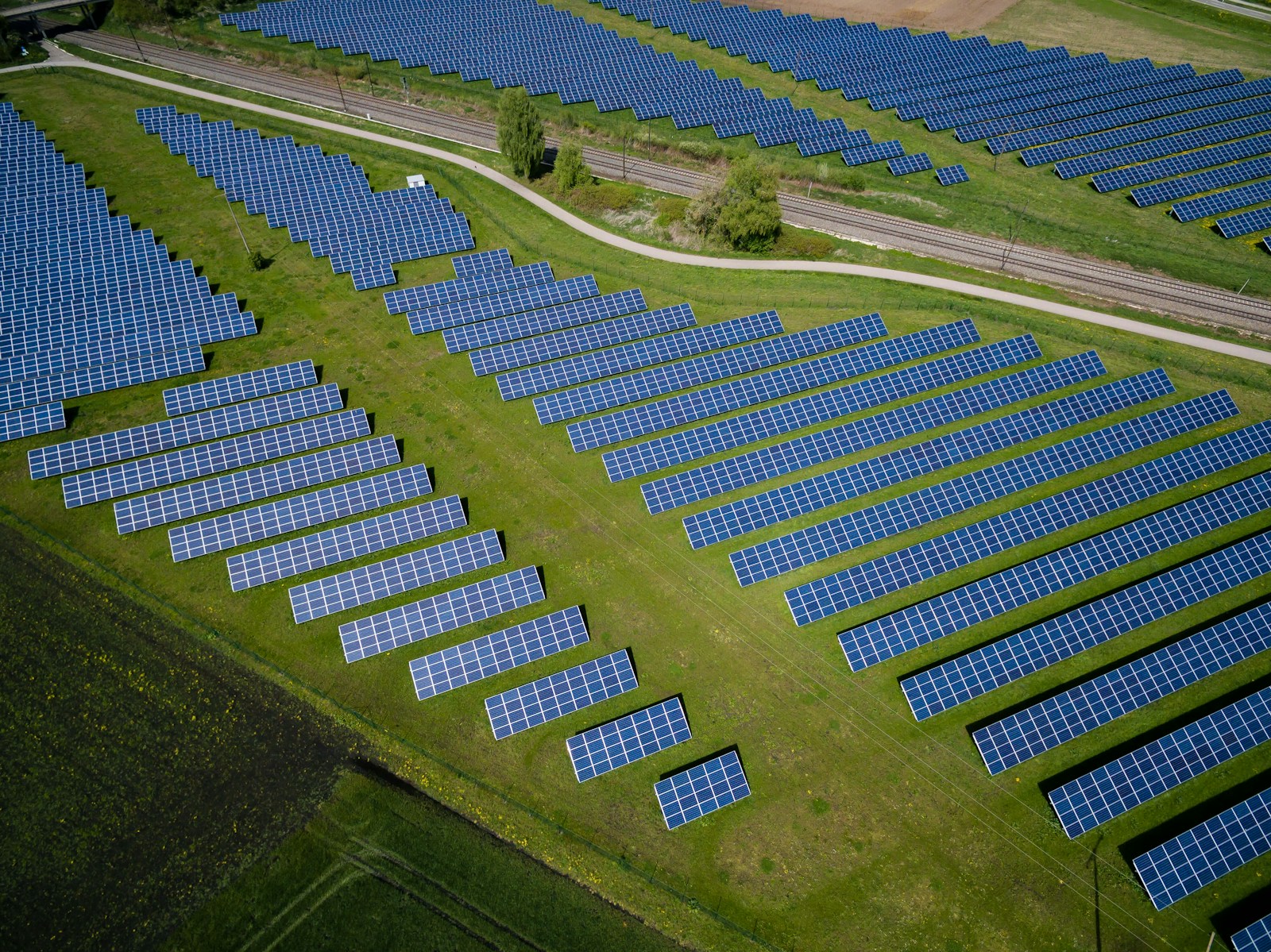
Solar energy offers a clear path to harness these landscapes:
- Rooftop Installations: Clubhouses, maintenance buildings, and parking structures can host high-efficiency solar panels, reducing energy costs while preserving play areas.
- Ground-Mounted Arrays: Out-of-play roughs, peripheral fairways, and water retention basins can support multi-megawatt solar fields.
- Floating Solar: Ponds and water hazards can host floating PV panels, which reduce evaporation, maintain cooler water temperatures, and generate energy simultaneously.
- Hybrid Solar Systems: Combining photovoltaic panels with concentrated solar power (CSP) units enables not only electricity generation but also direct thermal energy for co-generation systems on-site.
By strategically deploying these systems, golf courses can become net-positive energy producers, feeding surplus electricity back to the grid and creating a new revenue stream.
Battery Storage: Unlocking Grid Flexibility
Integrating large-scale battery storage systems (BESS) allows golf courses to optimize energy use and monetize their renewable generation:
- Peak Shaving: Store excess solar energy during the day for evening or night-time use.
- Grid Services: Participate in frequency regulation or demand response programs to earn revenue.
- Hybrid Energy Models: Pair battery storage with co-generation systems to ensure reliable 24/7 power for data centers or club operations.
A typical 100-acre solar + battery hub can provide 10–20 MW of electricity and 40–80 MWh of storage — sufficient to power a small commercial district or high-density technology facility.
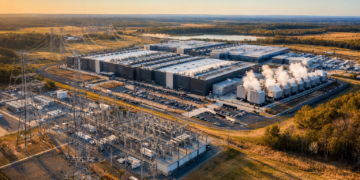
Data Centers: A Sustainable Fit for Golf Courses
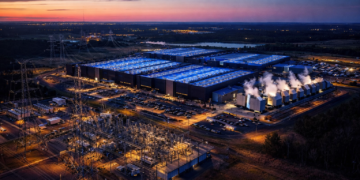
Golf courses offer prime locations for low-impact data center development:
- Infrastructure Access: Proximity to transmission lines and roads ensures reliable power and connectivity.
- Aesthetic Integration: Green roofs, natural landscaping, and low-profile building designs allow data centers to blend into the landscape.
- Energy Synergy: Waste heat from servers can be harnessed for co-generation systems, powering clubhouse facilities or hybrid energy systems.
Leasing land to data centers provides a long-term, high-value revenue stream, complementing energy production and enhancing the financial resilience of golf course operations.
Hybrid Energy Systems: Resilience and Revenue
A fully integrated golf course energy hub combines multiple technologies:
- Utility-Scale Solar + Battery Storage – Maximizes both grid export and local usage.
- Co-Generation – Converts biomass, biofuel, or natural gas into electricity and heat for operations.
- Microgrid Capabilities – Ensures energy self-sufficiency for facilities, data centers, and club operations.
- EV Infrastructure – Supports both golf carts and public electric vehicles, creating new revenue pathways.
By combining these systems, golf courses become highly resilient, multi-revenue energy nodes.
Environmental and Design Considerations
Maintaining ecological and aesthetic value is critical for successful integration:
- Vegetated Barriers: Trees, shrubs, and berms can screen solar arrays and battery enclosures.
- Landscape Symbiosis: Floating solar, pond-based cooling, and natural plantings support biodiversity and preserve recreational areas.
- Sustainable Architecture: Data centers with earth-tone facades, green roofs, and native landscaping minimize visual impact.
These design strategies ensure that golf courses remain visually appealing while serving as powerful clean energy generators.
Financial and Strategic Opportunities
Transforming a golf course into a renewable energy hub unlocks multiple revenue streams:
- Energy Sales: Grid-connected solar and hybrid systems generate predictable long-term income.
- Land Leasing: Data centers and commercial tenants provide high-value, long-term revenue.
- Carbon Credits: Renewable energy and hybrid systems can create tradeable carbon offsets.
- Sustainability Branding: Demonstrating environmental leadership can increase membership, sponsorship, and community engagement.
Implementation Strategy: From Design to Operation
Rather than conventional construction, golf course energy hubs require careful planning and integration:
- Site Assessment – Analyze sun exposure, water resources, existing structures, and soil quality.
- Energy Modeling – Determine optimal solar, storage, and co-generation capacities.
- Landscape Planning – Integrate arrays, batteries, and buildings with minimal ecological impact.
- Infrastructure Connection – Ensure access to transmission lines for grid export and connectivity for data centers.
- Phased Deployment – Begin with rooftop and peripheral solar, expanding to ground-mounted and hybrid systems.
- Monitoring & Optimization – Implement smart grids, energy analytics, and renewable forecasting for efficient operation.
Global Potential
- United States: 2.3 million acres of golf course land could theoretically support hundreds of gigawatts of solar energy, plus large-scale storage and co-generation.
- Asia: Rapidly expanding golf course networks in Thailand, Vietnam, Japan, and South Korea offer tens of thousands of acres for similar integrations.
- Sustainability Impact: Utilizing golf courses for energy production reduces pressure on agricultural and urban land, accelerates decarbonization, and supports climate goals.
Conclusion
Golf courses represent a unique convergence of land, infrastructure, and opportunity. By integrating large-scale solar, battery storage, co-generation, and data centers, these properties can become multi-revenue, environmentally sustainable hubs. Thoughtful design ensures that energy infrastructure blends seamlessly into landscapes, supporting recreation, biodiversity, and community engagement while generating long-term financial returns.
For golf course owners, developers, or investors exploring large-scale renewable energy, battery storage, and data center opportunities, contact Phil at phil@pacificoenergy.com to discuss feasibility and potential development strategies.