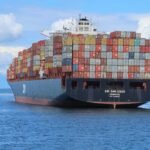
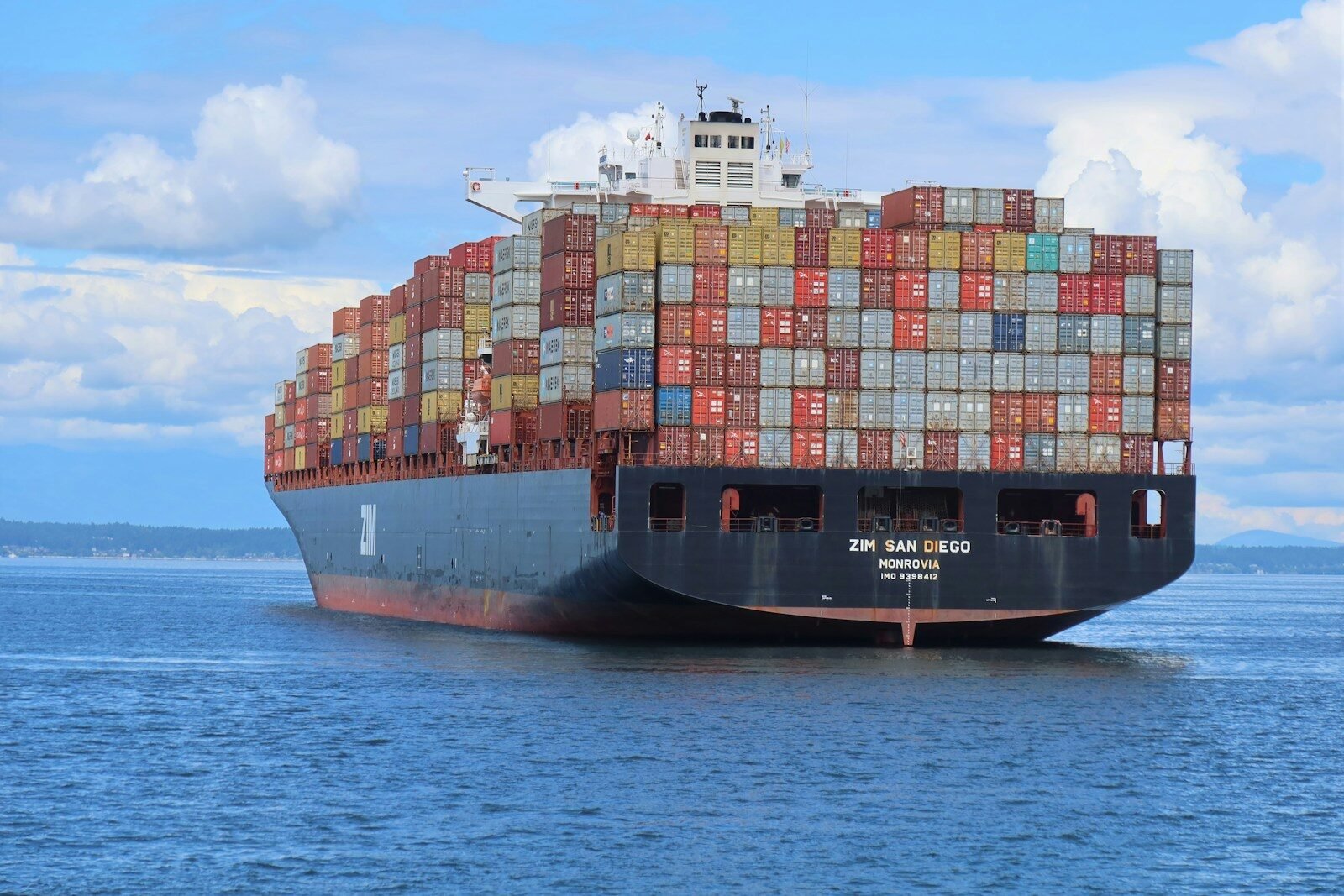

Maersk green methanol ships are a big bet on how global shipping can cut emissions. Maersk has ordered and begun operating methanol dual-fuel vessels, including six 9,000 TEU ships, and has set a goal of net zero by 2040.
The fuel deals
To fuel those ships, Maersk has signed supply deals. One is with Goldwind for 500,000 tons a year of green methanol. Another is with LONGi for bio-methanol.
Why it matters
Shipping moves most of the world’s goods and runs mainly on heavy fuel oil. A shipping line that asks for cleaner fuel helps create the market for it.
Get the Eco Business News newsletter. Free.
Plain news on eco, business and data centers. No spam.
The caveat
Supply of green methanol is still limited and costly. Dual-fuel ships can also run on regular fuel when green methanol is not available, so a ship being capable is not the same as it sailing clean.
What to watch
Look for how much green methanol Maersk actually burns each year compared with its ship capacity. That number will say more than the order list.
Why fuel supply decides the outcome
A ship lasts about twenty five years, so the fuel choice made now shapes the next quarter century. Methanol is one option, and others like ammonia are being tested. No one yet knows which will win, which is why it matters that companies publish how much clean fuel they actually buy.
For shippers and retailers, some lines now sell low carbon shipping services at a premium. If your business moves goods overseas, asking for emissions data per shipment is a fair request, and the answers will become more detailed over time.
The bottom line
Shipping will not change overnight. Still, a line that orders ships, signs fuel supply and publishes a date gives suppliers and ports the signal they need to invest. Progress here will show up in fuel purchase data first.
Tell us what you are building and what changed. Our newsroom reads every submission.
Submit your companySources: Maersk sustainability. Figures marked as company reported come from the company itself.