





December 12, 2025 | EcoBusinessNews.com
By Adam Barth, Humayun Tai, Ksenia Kaladiouk, and Lawrence Heath (Adapted from McKinsey & Company analysis)
The United States is entering a transformative energy era, driven by reindustrialization, explosive growth in AI and data centers, and widespread electrification. After nearly two decades of flat demand, US electricity needs are now projected to grow significantly, fueled in part by AI-driven data centers that could double or even triple power consumption in key sectors by 2030.
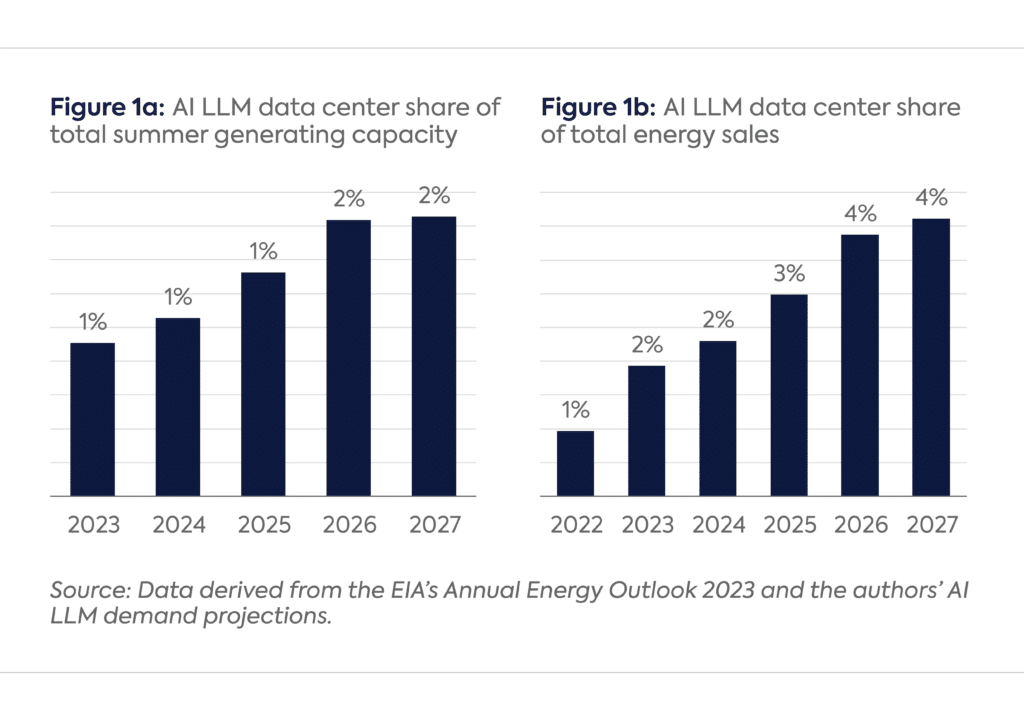

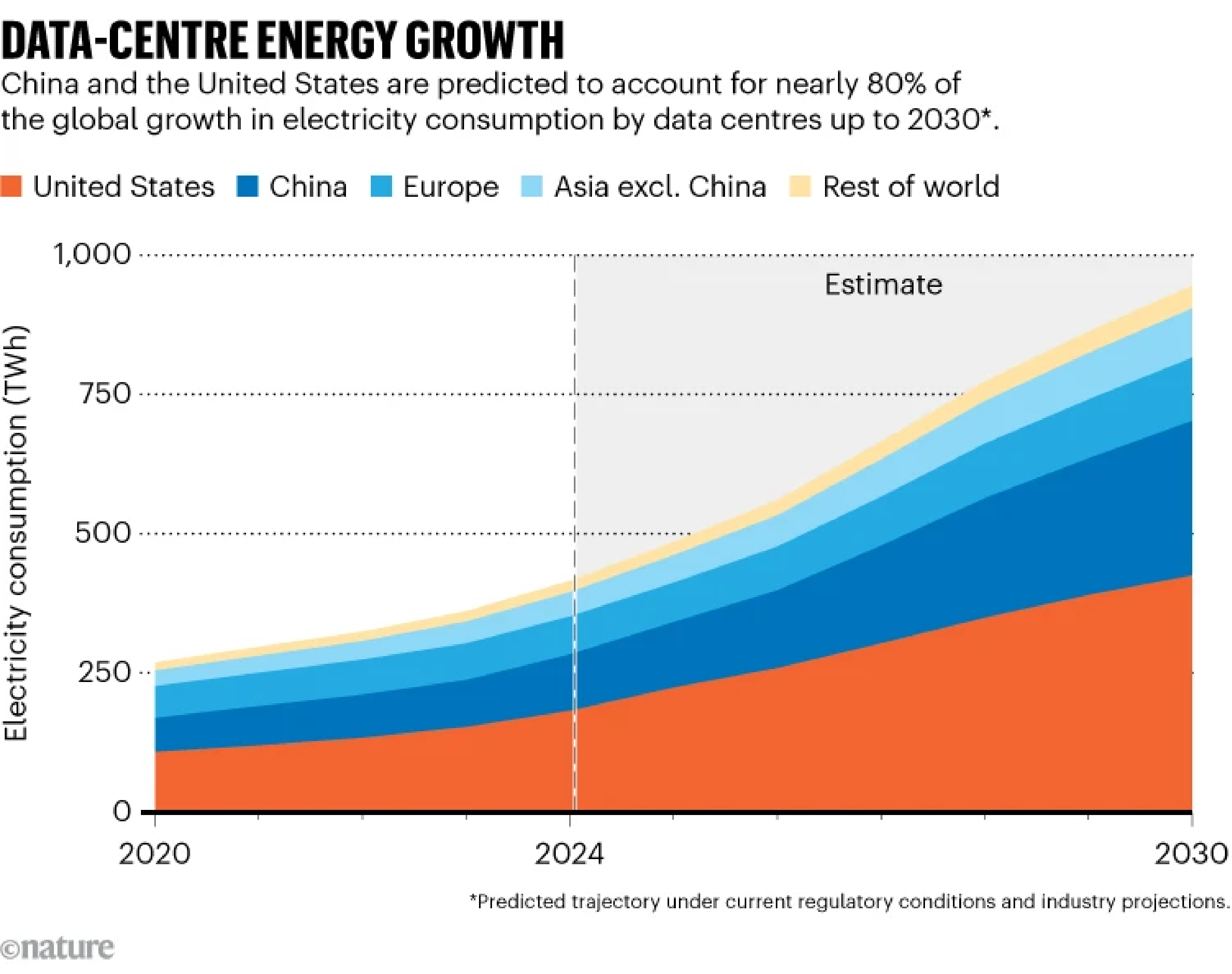
To achieve energy abundance while advancing sustainability and global leadership in clean innovation, the US power system must reliably meet this rising demand. An “all-of-the-above” strategy is essential, emphasizing rapid expansion of baseload, dispatchable generation—particularly low-carbon sources—and grid infrastructure.
The energy sector faces six critical challenges: resource adequacy, extreme weather resilience, supply chain constraints, permitting delays, labor shortages, and affordability. Addressing them requires deploying proven technologies, reforming processes, and investing in breakthroughs.
Six Key Challenges Facing the US Energy Sector
- Resource Adequacy: Many regions risk shortages by 2030 due to retiring coal and gas plants, insufficient incentives for new dispatchable capacity, and equipment delays. Grid operators like PJM and MISO have highlighted potential deficits during peak demand.
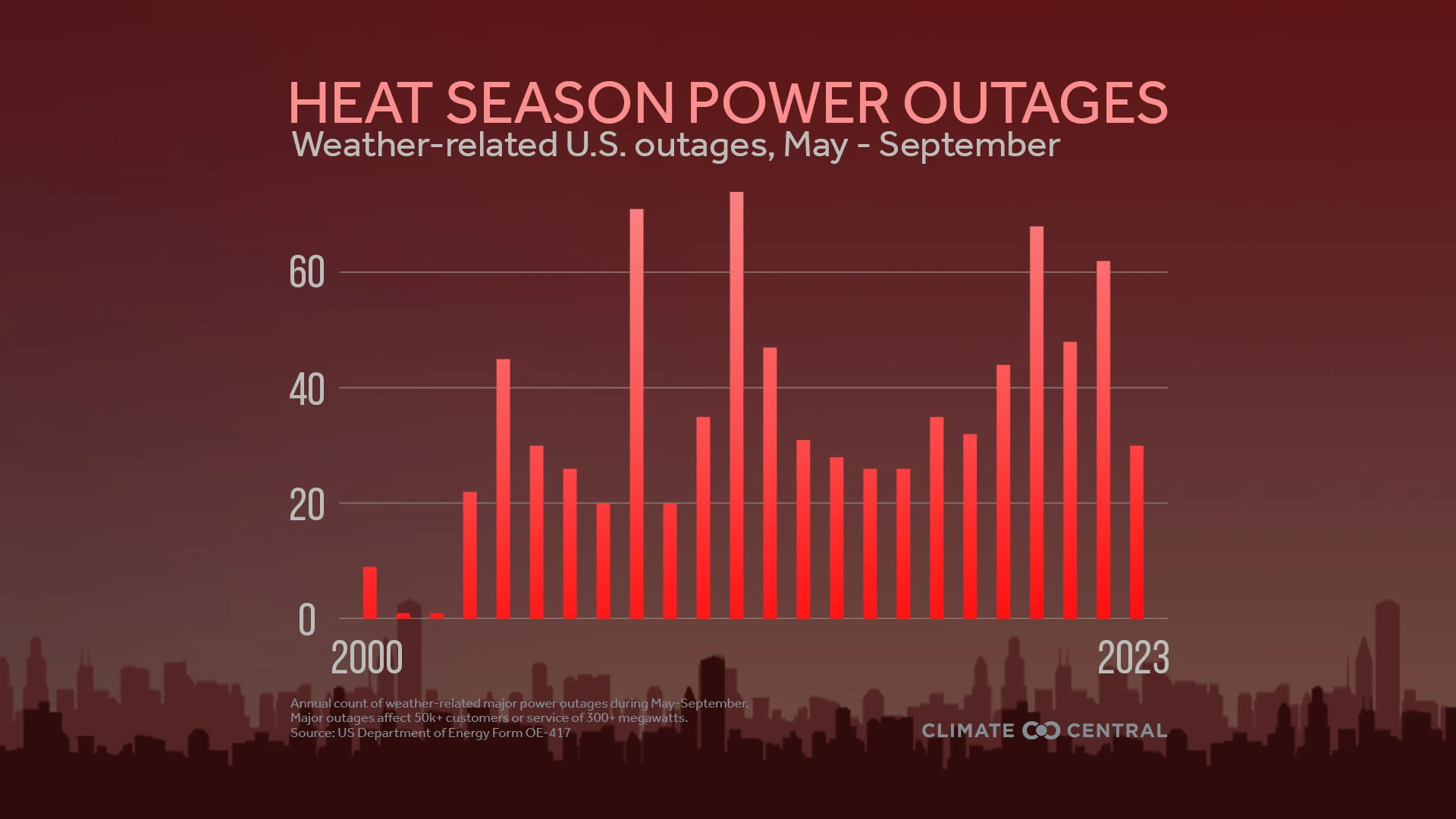
- Extreme Weather: Severe events are the primary cause of outages, straining infrastructure and spiking demand (e.g., from air conditioning). Modeling shows reserve margins could plummet during heat waves.

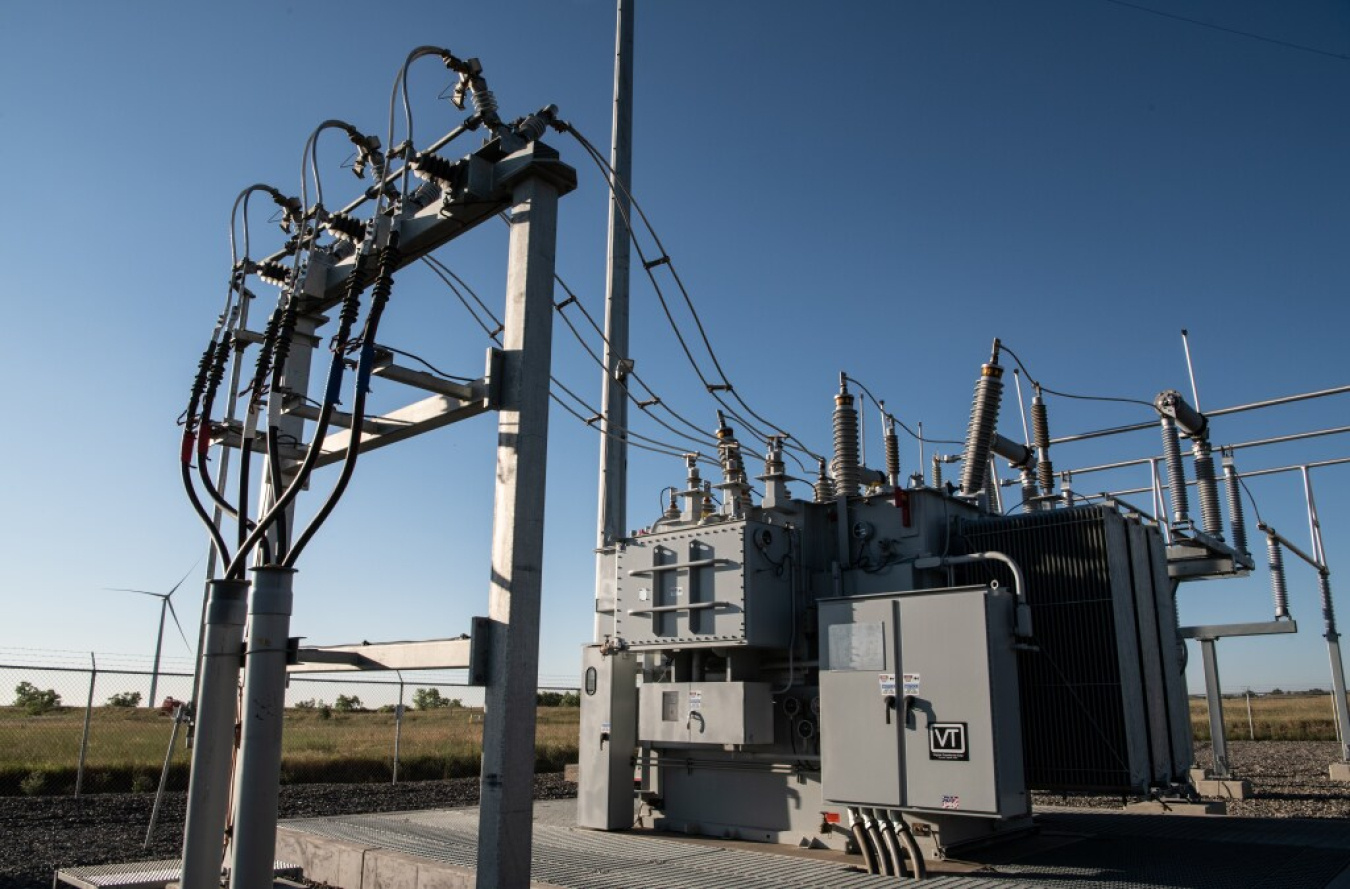
- Supply Chain Issues: Lead times for critical equipment like transformers and turbines now exceed 2–4 years, up dramatically since 2019, delaying projects.
- Permitting Bottlenecks: Projects often face multi-year reviews, with uncertainties raising costs and delaying deployment.
- Labor Availability: Demand for skilled trades far outpaces supply, constraining construction and manufacturing.
- Affordability: Rising bills and capital needs create tensions between reliability investments and consumer costs.
Pathways to Solutions
Solutions fall into three categories:
- Immediate Deployment of Ready Technologies: Scale demand response, grid-enhancing tech (e.g., dynamic line ratings for 10–30% capacity gains), energy efficiency, and battery storage to optimize existing assets.
- Process and Market Reforms: Streamline permitting (potentially saving billions annually), boost domestic manufacturing of equipment, and reform markets to better integrate electric and gas planning while incentivizing dispatchable resources.
- Long-Term Technical Investments:
- Scale commercial nuclear with standardized designs and reduced regulatory hurdles.
- Advance enhanced geothermal systems (EGS), leveraging oil/gas drilling tech for baseload power at competitive costs (~$45–75/MWh), with vast potential nationwide.
- Secure critical mineral supply chains for clean tech equipment.
America’s energy system underpins its economy—from AI innovation to manufacturing and healthcare. Overcoming these challenges through innovation, investment, and collaboration can deliver reliable, resilient, and affordable power, supporting both economic growth and environmental goals.