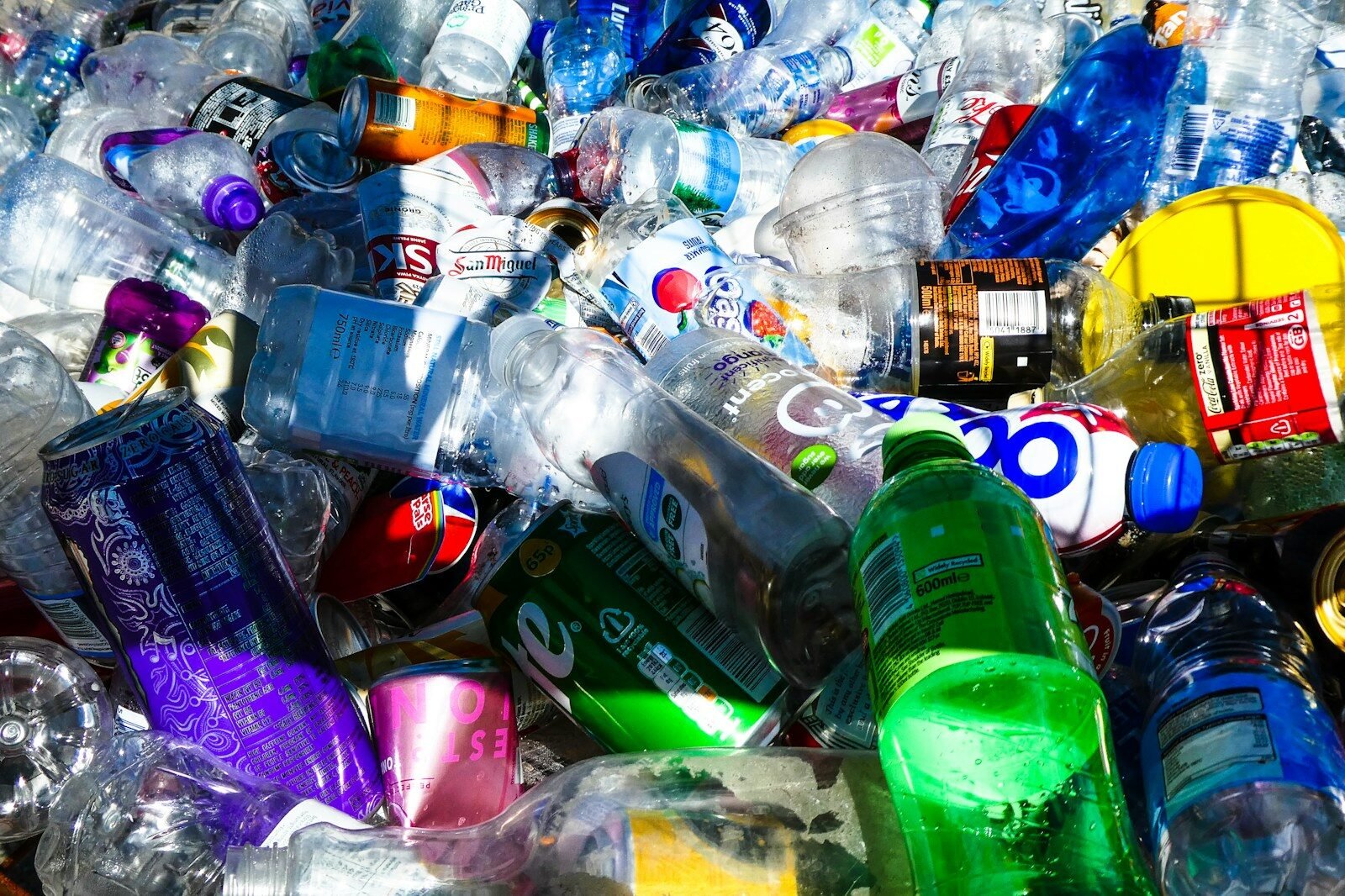

A reusable water bottle is one of the simplest switches you can make. US EPA data shows why it matters: most plastic bottles are not recycled.
What happens to plastic bottles
The recycling rate for PET bottles and jars was 29.1 percent in 2018, according to the US EPA.
Across all plastics, the US recycling rate was just 8.7 percent that year.
How much packaging we make
The US generated 14.5 million tons of plastic containers and packaging in 2018, the EPA reports.
Get the Eco Business News newsletter. Free.
Plain news on eco, business and data centers. No spam.
Make the switch stick
Keep a bottle at your desk and one in the car, and look for refill stations at work, airports and gyms.
The fine print
The EPA data are from 2018, the latest year on those pages. Savings for you depend on how many bottles you buy now.
Why it matters
Every refill is one less bottle made, shipped and thrown away.
Try it yourself
See your own numbers with our free Water Bottle Savings Calculator.
Tell us what you are building and what changed. Our newsroom reads every submission.
Submit your companySources: US EPA containers and packaging data, US EPA plastics data.
Key takeaways on reusable water bottle
Here is the short version on reusable water bottle. The recycling rate for PET bottles and jars was 29. Across all plastics, the US recycling rate was just 8. The US generated 14. Keep a bottle at your desk and one in the car, and look for refill stations at work, airports and gyms. The EPA data are from 2018, the latest year on those pages. Every refill is one less bottle made, shipped and thrown away. See your own numbers with our free Water Bottle Savings Calculator. Sources: US EPA containers and packaging data, US EPA plastics data.
Use these points on reusable water bottle as a starting point, check the numbers against your own home or business, and share what you learn with someone who can use it.