
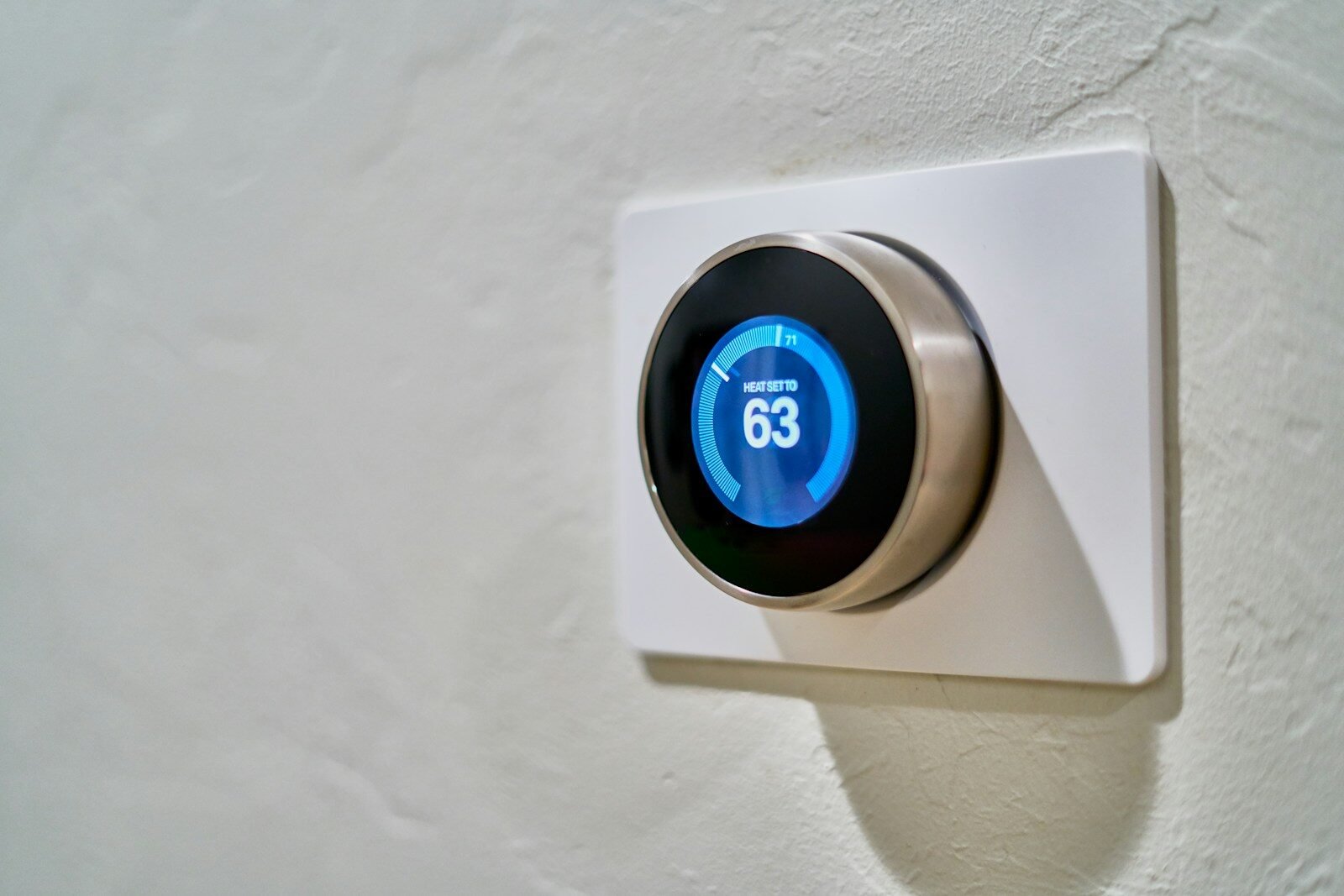

A thermostat setback is a simple habit with real savings. The US Department of Energy says you can save as much as 10 percent a year on heating and cooling by turning your thermostat back 7 to 10 degrees Fahrenheit for 8 hours a day.
When to do it
Nights and workdays are natural times. Turn it down in winter or up in summer while you sleep or are away.
Make it automatic
A programmable or smart thermostat does the work for you, so you never have to remember.
Get the Eco Business News newsletter. Free.
Plain news on eco, business and data centers. No spam.
Comfort first
Small setbacks still help. Start with a few degrees and adjust until it feels right.
The fine print
Up to 10 percent is a ceiling, not a promise. Savings depend on your climate, your home and how big the setback is.
Why it matters
Heating and cooling are among the biggest energy uses in most homes, so a small change here goes a long way.
Try it yourself
Can you spot the greener option every time? Play Greener Choice, our free eco quiz game, and see how long your streak lasts.
Tell us what you are building and what changed. Our newsroom reads every submission.
Submit your companySources: US Department of Energy thermostats.
Key takeaways on thermostat setback
Here is the short version on thermostat setback. Nights and workdays are natural times. A programmable or smart thermostat does the work for you, so you never have to remember. Small setbacks still help. Up to 10 percent is a ceiling, not a promise. Heating and cooling are among the biggest energy uses in most homes, so a small change here goes a long way. Can you spot the greener option every time? Sources: US Department of Energy thermostats.
Use these points on thermostat setback as a starting point, check the numbers against your own home or business, and share what you learn with someone who can use it.