





U.S. households and businesses are grappling with a sharp rise in electricity costs, a trend that’s outpacing general inflation and raising critical concerns for the nation’s sustainable energy future. According to recent data, electricity prices surged 4.5% in the past year, nearly double the overall inflation rate for goods and services, as reported by the consumer price index for May 2025. The U.S. Energy Information Administration (EIA) projects that retail electricity prices will continue to climb faster than inflation through 2026, driven by a complex interplay of supply and demand dynamics, aging infrastructure, and the growing energy demands of modern technologies. This escalating cost trend threatens affordability and underscores the urgent need for sustainable solutions to stabilize the energy market while advancing environmental goals.
Key Drivers of Rising Electricity Costs
The root of the issue lies in a fundamental imbalance: electricity demand is surging, while supply struggles to keep pace. Several factors contribute to this growing gap:
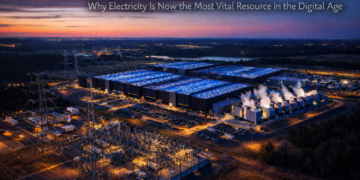
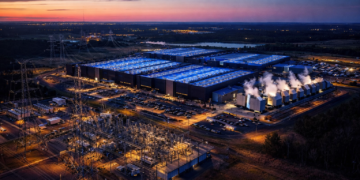
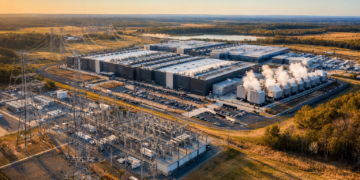
- Booming Data Center Demand: Data centers, which power cloud computing, artificial intelligence (AI), and other tech applications, are a significant driver of increased electricity consumption. According to the U.S. Energy Department, data center electricity use tripled to 176 terawatt-hours in the decade ending 2023 and is expected to double or triple again by 2028. By that year, data centers could account for up to 12% of total U.S. electricity consumption, up from 4.4% in 2023. These “energy-hungry” facilities, particularly those supporting AI, are straining the grid, as noted by Jennifer Curran, senior vice president at Midcontinent Independent System Operator (MISO), in a recent House energy hearing.
- Electrification of Homes and Businesses: The push toward electrification—replacing fossil fuel-based systems with electric alternatives—has significantly increased electricity demand. Households are adopting electric vehicles (EVs) and heat pumps, which are more energy-efficient but place additional strain on the grid. For example, EVs and smart-home technologies have become more prevalent, driving up residential electricity use. Businesses, too, are shifting to electric-powered operations to meet sustainability goals, further amplifying demand.
- Population Growth and Cryptocurrency Mining: Population growth and energy-intensive activities like cryptocurrency mining are adding to the pressure. Cryptocurrency operations, which require vast computational power, are consuming significant electricity, contributing to the overall demand surge.
- Decommissioning of Fossil Fuel Plants: As the U.S. transitions away from coal, oil, and natural gas to reduce greenhouse gas emissions, many fossil fuel power plants have been decommissioned. However, the pace of adding new renewable energy sources, such as wind and solar, has been slower than needed to replace this lost capacity. This supply shortfall is a key factor in rising prices, as noted by David Hill, executive vice president of energy at the Bipartisan Policy Center.
- Inflation in Equipment and Labor Costs: Building new energy infrastructure is increasingly expensive due to inflation in equipment and labor costs. Transformers, transmission lines, and other critical components have seen some of the highest inflation rates among wholesale goods since 2018, further driving up the cost of maintaining and expanding the grid.
Aging Infrastructure: A Barrier to Sustainability
The U.S. electricity grid, much of it decades old, is ill-equipped to handle the rising demand and transition to cleaner energy sources. Transmission line expansion is significantly below the U.S. Energy Department’s targets for 2030 and 2035, according to Michael Cembalest, chairman of market and investment strategy at J.P. Morgan Asset & Wealth Management. Transformer shortages are another critical bottleneck, with delivery times stretching to two to three years, compared to just four to six weeks in 2019. Approximately half of all U.S. transformers are nearing the end of their useful lives, and replacements are urgently needed, particularly in areas affected by hurricanes, floods, and wildfires.
This aging infrastructure not only drives up electricity costs but also hinders the integration of renewable energy sources. Modernizing the grid with smart technologies and expanding transmission capacity are essential for improving efficiency and supporting the growth of wind, solar, and other sustainable energy sources. Without these upgrades, the U.S. risks falling short of its climate goals while consumers bear the brunt of rising costs.
Regional Disparities in Electricity Costs
Electricity prices vary significantly across the U.S., reflecting regional differences in energy sources, infrastructure, and consumption patterns. In March 2025, the average U.S. household paid about 17 cents per kilowatt-hour (kWh) for electricity, but costs ranged from 11 cents per kWh in North Dakota to 41 cents per kWh in Hawaii, according to EIA data. Regions like the Pacific, Middle Atlantic, and New England, where electricity is already more expensive, are expected to see steeper price increases. For example, Pacific households could face a 26% price hike from 2022 to 2025, with costs rising to over 21 cents per kWh, while West North Central households may see an 8% increase, reaching nearly 11 cents per kWh.
These disparities highlight the need for targeted investments in renewable energy and grid modernization in high-cost regions to alleviate the financial burden on consumers and promote equitable access to affordable, sustainable energy.
Implications for Sustainability and the Path Forward
The rising cost of electricity poses significant challenges for the U.S.’s transition to a low-carbon economy. While electrification and renewable energy are critical for reducing greenhouse gas emissions, the current supply-demand imbalance and infrastructure limitations are driving up costs and slowing progress. Data centers and cryptocurrency mining, while essential to modern economies, must adopt energy-efficient technologies to reduce their environmental footprint. Similarly, households and businesses can play a role by investing in energy-saving appliances and smart-home systems to curb consumption.
To address these challenges, policymakers, utilities, and businesses must prioritize:
- Accelerating Renewable Energy Deployment: Streamlining permitting and financing for wind, solar, and other clean energy projects to boost supply and reduce reliance on fossil fuels.
- Investing in Grid Modernization: Upgrading transmission lines, transformers, and smart grid technologies to improve efficiency and resilience.
- Promoting Energy Efficiency: Incentivizing energy-efficient technologies for data centers, homes, and businesses to reduce demand.
- Addressing Regional Disparities: Targeting high-cost regions with investments in renewable energy and infrastructure to ensure equitable access to affordable power.
Economic and Environmental Outlook
If current trends continue, the average U.S. household’s annual electricity bill could rise from $1,683 in 2022 to $1,902 in 2025, a $219 increase, assuming unchanged usage. This financial strain could disproportionately affect low-income households, making affordability a key concern. At the same time, the environmental stakes are high. The U.S. economy is projected to consume more electricity for data processing than for manufacturing energy-intensive goods like steel and cement by 2030, according to the International Energy Agency. Without significant investments in sustainable infrastructure, the U.S. risks missing its climate targets while burdening consumers with higher costs.
The path to a sustainable energy future lies in balancing affordability, reliability, and environmental responsibility. By addressing the root causes of rising electricity costs—through renewable energy expansion, grid modernization, and energy efficiency—policymakers and businesses can create a more resilient and equitable energy system for all Americans.
For more insights on sustainable business practices, sign up for the EcoBusinessNews newsletter and stay informed on the latest trends in green innovation.