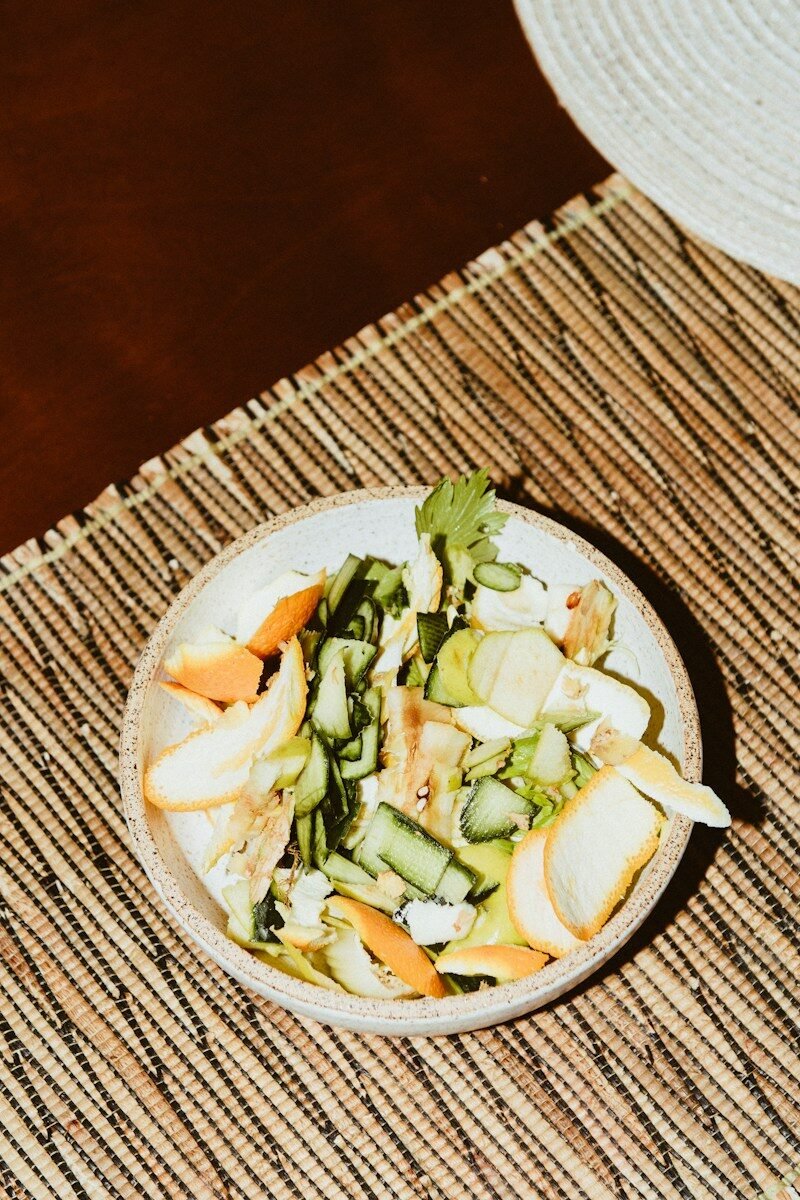

Composting at home turns food scraps and yard waste into rich soil, and it is easier than most people think. The US EPA’s home composting guide comes down to two ingredients: greens and browns.
Greens and browns
Greens are rich in nitrogen: fruit and vegetable scraps, grass clippings, coffee grounds with paper filters and crushed eggshells.
Browns are rich in carbon: dry leaves, twigs, shredded plain paper, shredded cardboard without wax or tape, and untreated wood chips.
The mix that works
Use at least two to three times as many browns as greens, the EPA says, and cover food scraps with four to eight inches of leaves or other browns.
The pile should feel like a wrung out sponge. If it smells, add browns and turn it to let air in.
Get the Eco Business News newsletter. Free.
Plain news on eco, business and data centers. No spam.
How long it takes
A well kept pile can be ready in about three to five months. Left alone, it may take a year.
The fine print
Leave out meat, fish, bones, dairy, fats and oils, pet waste and diseased plants. Piles can attract pests if they are not covered and managed.
Why it matters
Food scraps are a big part of what goes to landfills. Composting keeps them out and gives you free soil for the garden.
Try it yourself
Think you know your bins? Play Sort It Right, our free recycling game, and see how many of 12 everyday items you can sort before the clock runs out.
Tell us what you are building and what changed. Our newsroom reads every submission.
Submit your companySources: US EPA composting at home.
Key takeaways on composting at home
Here is the short version on composting at home. Greens are rich in nitrogen: fruit and vegetable scraps, grass clippings, coffee grounds with paper filters and crushed eggshells. Browns are rich in carbon: dry leaves, twigs, shredded plain paper, shredded cardboard without wax or tape, and untreated wood chips. Use at least two to three times as many browns as greens, the EPA says, and cover food scraps with four to eight inches of leaves or other browns. The pile should feel like a wrung out sponge. A well kept pile can be ready in about three to five months. Leave out meat, fish, bones, dairy, fats and oils, pet waste and diseased plants.
Use these points on composting at home as a starting point, check the numbers against your own home or business, and share what you learn with someone who can use it.