
Food waste methane is one of the less obvious climate problems. When food is buried in a landfill, it eventually rots without oxygen, and that creates methane, a powerful greenhouse gas.
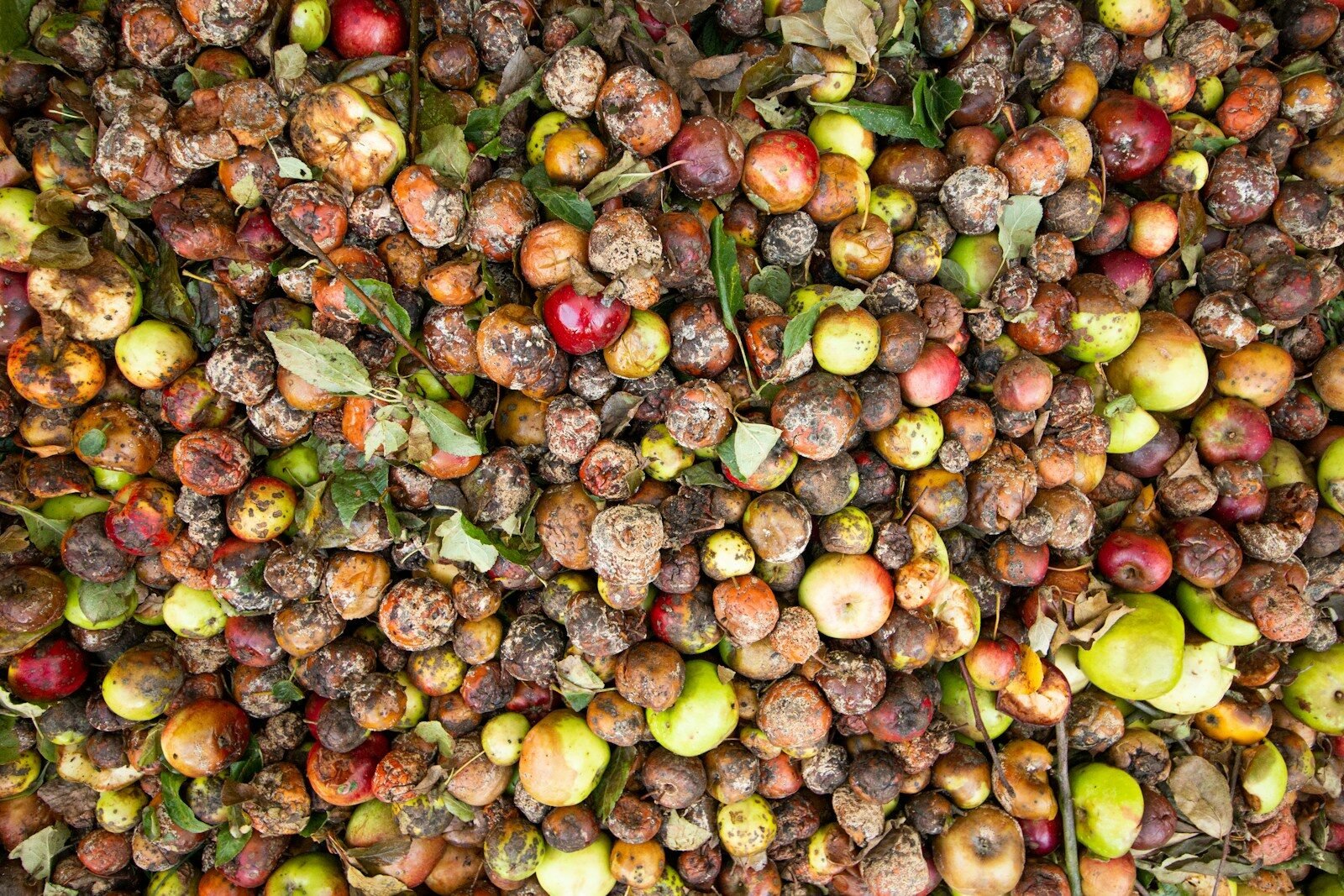
How landfills make methane
Landfill gas is about half methane and half carbon dioxide, according to the US EPA.
Waste first breaks down with oxygen and makes little methane. Typically within a year the oxygen runs out, and bacteria start producing methane.
A big source
Municipal solid waste landfills were the third largest source of human-related methane emissions in the US, about 14.4 percent in 2022, the EPA says.
Food was the largest single part of landfilled municipal waste in 2018, about 24 percent of everything sent to landfills.
Get the Eco Business News newsletter. Free.
Plain news on eco, business and data centers. No spam.
Keeping food out
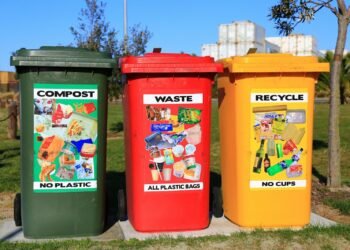
Buying only what you need, eating leftovers and composting scraps all keep food out of the landfill.
The fine print
Many landfills capture part of their methane. The rate varies by site.
Why it matters
Methane traps far more heat than carbon dioxide in the short term, so keeping food out of landfills is a fast way to make a difference.
Try it yourself
Think you know your bins? Play Sort It Right, our free recycling game, and see how many of 12 everyday items you can sort before the clock runs out.
Tell us what you are building and what changed. Our newsroom reads every submission.
Submit your companySources: US EPA landfill gas basics, US EPA waste facts and figures.
Key takeaways on food waste methane
Here is the short version on food waste methane. Landfill gas is about half methane and half carbon dioxide, according to the US EPA. Waste first breaks down with oxygen and makes little methane. Municipal solid waste landfills were the third largest source of human-related methane emissions in the US, about 14. Food was the largest single part of landfilled municipal waste in 2018, about 24 percent of everything sent to landfills. Buying only what you need, eating leftovers and composting scraps all keep food out of the landfill. Many landfills capture part of their methane. Methane traps far more heat than carbon dioxide in the short term, so keeping food out of landfills is a fast way to make a difference.
Use these points on food waste methane as a starting point, check the numbers against your own home or business, and share what you learn with someone who can use it.
Food waste methane in practice
When you look at food waste methane, start with the basics and then check how they apply to your own situation. A clear view of food waste methane helps you ask better questions and avoid costly mistakes.
In short, food waste methane is easier to judge when you use plain numbers, trusted sources, and a simple checklist.
Related reading
Food Waste App Too Good To Go Passes 500 Million Meals Saved | US food waste: about a third of the food supply is lost | Holcim low carbon cement: ECOPact and construction waste recycling
For more background, see the U.S. Department of Energy.
Quick recap
- The short version: Listen to this article 1x 1.25x 1.5x (function(){var w=document.currentScript.parentNode;var b=w.querySelector(‘.ebn-lb’),t=w.querySelector(‘.ebn-lt’),s=w.querySelector(‘.ebn-ls’);if(!(‘speechSynthesis’ in window)){w.style.display=’none’;return}var root=w.closest(‘.content-inner’)||document;var q=[],i=0,on=false;function build(){q=[];root.querySelectorAll(‘p,h2’).forEach(function(e){if(e.closest(‘.ebn-listen,.ebn-sub-end’))return;var x=e.textContent.trim();if(x.length>2)q.push(x)});return q}function words(){return build().join(‘ ‘).split(/\s+/).length}t.textContent=Math.max(1,Math.round(words()/160))+’ min listen’;function say(){if(!on||i>=q.length){on=false;b.textContent=’Listen to this article’;b.className=’ebn-lb’;i=0;return}var u=new SpeechSynthesisUtterance(q[i]);u.rate=parseFloat(s.value);u.lang=’en-US’;u.onend=function(){i++;say()};speechSynthesis.speak(u)}b.onclick=function(){if(on){on=false;speechSynthesis.cancel();b.textContent=’Listen to this article’;b.className=’ebn-lb’;return}build();i=0;on=true;b.textContent=’Stop listening’;b.className=’ebn-lb ebn-on’;speechSynthesis.cancel();say()};s.onchange=function(){if(on){speechSynthesis.cancel();say()}};window.addEventListener(‘beforeunload’,function(){speechSynthesis.cancel()})})(); Food waste methane is one of the less obvious climate problems.
- How landfills make methane: Landfill gas is about half methane and half carbon dioxide, according to the US EPA.
- A big source: Municipal solid waste landfills were the third largest source of human-related methane emissions in the US, about 14.4 percent in 2022, the EPA says.
- Keeping food out: Buying only what you need, eating leftovers and composting scraps all keep food out of the landfill.
- The fine print: Many landfills capture part of their methane.
- Why it matters: Methane traps far more heat than carbon dioxide in the short term, so keeping food out of landfills is a fast way to make a difference.
- Try it yourself: Play Sort It Right , our free recycling game, and see how many of 12 everyday items you can sort before the clock runs out.
Questions readers ask
What should I know about the short version?
When food is buried in a landfill, it eventually rots without oxygen, and that creates methane, a powerful greenhouse gas.
What should I know about how landfills make methane?
Waste first breaks down with oxygen and makes little methane. Typically within a year the oxygen runs out, and bacteria start producing methane.
What should I know about a big source?
Food was the largest single part of landfilled municipal waste in 2018, about 24 percent of everything sent to landfills. Get the Eco Business News newsletter.
What should I know about keeping food out?
Buying only what you need, eating leftovers and composting scraps all keep food out of the landfill.
What should I know about the fine print?
Many landfills capture part of their methane.
What should I know about why it matters?
Methane traps far more heat than carbon dioxide in the short term, so keeping food out of landfills is a fast way to make a difference.
Test yourself
- In one sentence, how would you explain the short version to a friend? Compare your answer with the section above.
- In one sentence, how would you explain how landfills make methane to a friend? Compare your answer with the section above.
- In one sentence, how would you explain a big source to a friend? Compare your answer with the section above.
- In one sentence, how would you explain keeping food out to a friend? Compare your answer with the section above.
Share this guide
If this guide on food waste methane was useful, send it to a colleague, a neighbor or your team. Use the share buttons at the top of the page to post it on LinkedIn, email it, or copy the link.