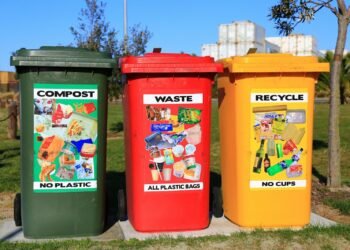

Composting at home turns food scraps and yard waste into rich soil, and it is easier than most people think. The US EPA’s home composting guide comes down to two ingredients: greens and browns.
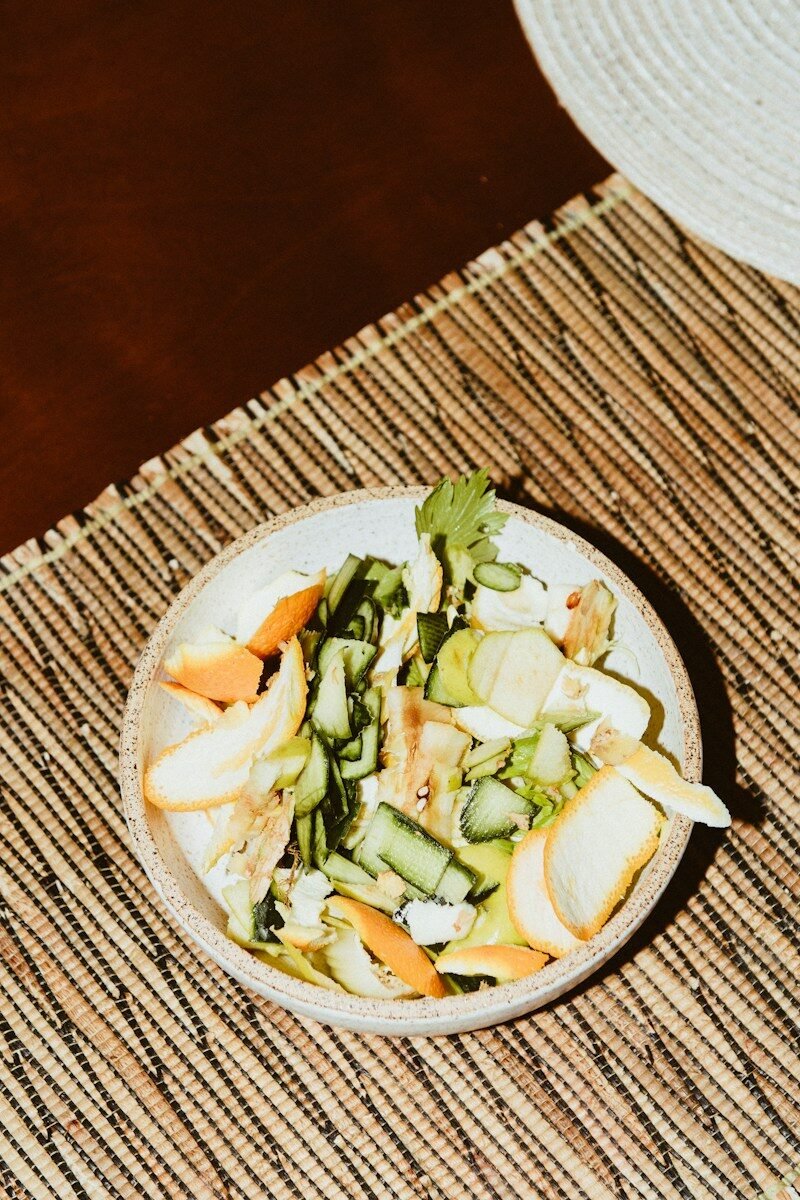
Greens and browns
Greens are rich in nitrogen: fruit and vegetable scraps, grass clippings, coffee grounds with paper filters and crushed eggshells.
Browns are rich in carbon: dry leaves, twigs, shredded plain paper, shredded cardboard without wax or tape, and untreated wood chips.
The mix that works
Use at least two to three times as many browns as greens, the EPA says, and cover food scraps with four to eight inches of leaves or other browns.
The pile should feel like a wrung out sponge. If it smells, add browns and turn it to let air in.
Get the Eco Business News newsletter. Free.
Plain news on eco, business and data centers. No spam.
How long it takes
A well kept pile can be ready in about three to five months. Left alone, it may take a year.
The fine print
Leave out meat, fish, bones, dairy, fats and oils, pet waste and diseased plants. Piles can attract pests if they are not covered and managed.
Why it matters
Food scraps are a big part of what goes to landfills. Composting keeps them out and gives you free soil for the garden.
Try it yourself
Think you know your bins? Play Sort It Right, our free recycling game, and see how many of 12 everyday items you can sort before the clock runs out.
Tell us what you are building and what changed. Our newsroom reads every submission.
Submit your companySources: US EPA composting at home.
Key takeaways on composting at home
Here is the short version on composting at home. Greens are rich in nitrogen: fruit and vegetable scraps, grass clippings, coffee grounds with paper filters and crushed eggshells. Browns are rich in carbon: dry leaves, twigs, shredded plain paper, shredded cardboard without wax or tape, and untreated wood chips. Use at least two to three times as many browns as greens, the EPA says, and cover food scraps with four to eight inches of leaves or other browns. The pile should feel like a wrung out sponge. A well kept pile can be ready in about three to five months. Leave out meat, fish, bones, dairy, fats and oils, pet waste and diseased plants.
Use these points on composting at home as a starting point, check the numbers against your own home or business, and share what you learn with someone who can use it.
Composting at home in practice
When you look at composting at home, start with the basics and then check how they apply to your own situation. A clear view of composting at home helps you ask better questions and avoid costly mistakes.
In short, composting at home is easier to judge when you use plain numbers, trusted sources, and a simple checklist.
Related reading
Home energy audit: what it is and what it can save | Shade trees: how smart landscaping helps cool a home | Employee-Owned Composting: How Recology Turns San Francisco Scraps Into Soil
For more background, see the U.S. Department of Energy.
Quick recap
- The short version: Listen to this article 1x 1.25x 1.5x (function(){var w=document.currentScript.parentNode;var b=w.querySelector(‘.ebn-lb’),t=w.querySelector(‘.ebn-lt’),s=w.querySelector(‘.ebn-ls’);if(!(‘speechSynthesis’ in window)){w.style.display=’none’;return}var root=w.closest(‘.content-inner’)||document;var q=[],i=0,on=false;function build(){q=[];root.querySelectorAll(‘p,h2’).forEach(function(e){if(e.closest(‘.ebn-listen,.ebn-sub-end’))return;var x=e.textContent.trim();if(x.length>2)q.push(x)});return q}function words(){return build().join(‘ ‘).split(/\s+/).length}t.textContent=Math.max(1,Math.round(words()/160))+’ min listen’;function say(){if(!on||i>=q.length){on=false;b.textContent=’Listen to this article’;b.className=’ebn-lb’;i=0;return}var u=new SpeechSynthesisUtterance(q[i]);u.rate=parseFloat(s.value);u.lang=’en-US’;u.onend=function(){i++;say()};speechSynthesis.speak(u)}b.onclick=function(){if(on){on=false;speechSynthesis.cancel();b.textContent=’Listen to this article’;b.className=’ebn-lb’;return}build();i=0;on=true;b.textContent=’Stop listening’;b.className=’ebn-lb ebn-on’;speechSynthesis.cancel();say()};s.onchange=function(){if(on){speechSynthesis.cancel();say()}};window.addEventListener(‘beforeunload’,function(){speechSynthesis.cancel()})})(); Composting at home turns food scraps and yard waste into rich soil, and it is easier than most people think.
- Greens and browns: Greens are rich in nitrogen: fruit and vegetable scraps, grass clippings, coffee grounds with paper filters and crushed eggshells.
- The mix that works: Use at least two to three times as many browns as greens, the EPA says, and cover food scraps with four to eight inches of leaves or other browns.
- How long it takes: A well kept pile can be ready in about three to five months.
- The fine print: Leave out meat, fish, bones, dairy, fats and oils, pet waste and diseased plants.
- Why it matters: Food scraps are a big part of what goes to landfills.
- Try it yourself: Play Sort It Right , our free recycling game, and see how many of 12 everyday items you can sort before the clock runs out.
Questions readers ask
What should I know about the short version?
The US EPA’s home composting guide comes down to two ingredients: greens and browns.
What should I know about greens and browns?
Browns are rich in carbon: dry leaves, twigs, shredded plain paper, shredded cardboard without wax or tape, and untreated wood chips.
What should I know about the mix that works?
The pile should feel like a wrung out sponge. If it smells, add browns and turn it to let air in.
What should I know about how long it takes?
Left alone, it may take a year.
What should I know about the fine print?
Piles can attract pests if they are not covered and managed.
What should I know about why it matters?
Composting keeps them out and gives you free soil for the garden.
Test yourself
- In one sentence, how would you explain the short version to a friend? Compare your answer with the section above.
- In one sentence, how would you explain greens and browns to a friend? Compare your answer with the section above.
- In one sentence, how would you explain the mix that works to a friend? Compare your answer with the section above.
- In one sentence, how would you explain how long it takes to a friend? Compare your answer with the section above.
Share this guide
If this guide on composting at home was useful, send it to a colleague, a neighbor or your team. Use the share buttons at the top of the page to post it on LinkedIn, email it, or copy the link.