• Contact
Wednesday, November 25, 2026
  • Login
EcoBusinessNews
  • Home
  • Eco Guides
  • Spec Kits
  • Business
  • Energy
  • Good Companies
  • Eco Stocks
  • About
  • Submit
No Result
View All Result
  • Home
  • Eco Guides
  • Spec Kits
  • Business
  • Energy
  • Good Companies
  • Eco Stocks
  • About
  • Submit
EcoBusinessNews
No Result
View All Result
EcoBusinessNews

Heat Pumps for Buildings: How They Work and Why Owners Are Switching

Eco Business News by Eco Business News
November 25, 2026
in Sustainable Building
Reading Time: 5 mins read
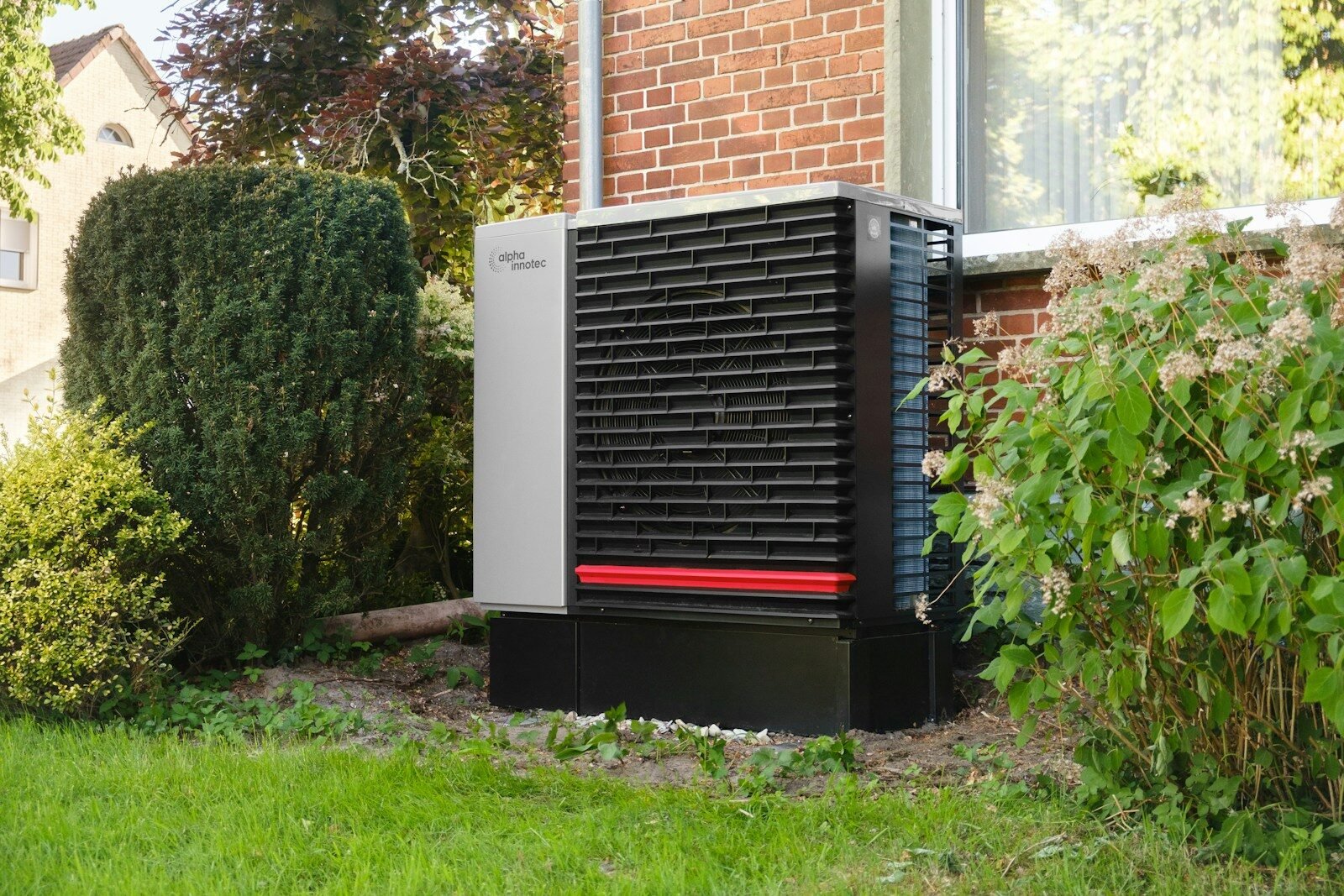
Outdoor heat pump unit next to a brick building

Heat pumps move heat instead of making it. That one idea explains most of what makes them useful for buildings.

A gas furnace burns fuel to create heat. A heat pump takes heat that already exists in the outside air, the ground, or water, and moves it inside. In winter it pulls heat from cold air and pushes it into the building. In summer it runs in reverse and works like an air conditioner.

Because it moves heat instead of creating it, a heat pump can deliver more heat energy than the electricity it uses. Many modern units reach a coefficient of performance of 3 or more in mild weather, which means three units of heat for every unit of electricity. Cold weather lowers that number, so cold-climate models matter.

How it works, in plain steps:

  1. A refrigerant absorbs heat from outside air or a water loop at low pressure and low temperature.
  2. 2. A compressor squeezes the refrigerant, which raises its temperature.
  3. 3. The hot refrigerant gives up its heat to the building’s air or water through a coil.
  4. 4. An expansion valve drops the pressure, and the cycle starts again.

Types you will see in buildings:

Air-source heat pumps are the most common. They cost less to install and work well in many climates. Ground-source, or geothermal, heat pumps use loops buried in the earth. They cost more up front but run steadily, because ground temperature stays more constant than air. Water-source systems pull heat from a lake, a pond, or a building’s existing water loop.

Where they make sense:

Offices, schools, apartments, and small commercial buildings are strong candidates. So are buildings with a central plant that already runs chilled water or condenser water loops. A heat pump can share that loop and recover heat that would otherwise be thrown away.

What owners should check before buying:

  • The heating load on the coldest hours, not the average day.
  • – Electrical capacity. Many older buildings need a service upgrade.
  • – Utility rebates or tax credits in your area. Program rules change, so confirm with the utility or a local energy office.
  • – The condition of ductwork or water piping. Older systems may need changes to move air or water at the lower temperatures heat pumps produce.
  • – Maintenance. Filters, coils, and refrigerant checks keep efficiency where it should be.

Heat pumps usually supply air or water at lower temperatures than a boiler. The output feels warm, not hot. Designers have to size coils and pipes to match, or the building will feel underheated even when the unit is running well.

What it costs to run:

Operating cost depends on local electricity and gas prices, the building’s insulation, and how well the system is sized. A right-sized heat pump with good controls often costs less to run than a gas boiler in a mild climate. In a very cold climate, the math is closer, and a cold-climate model or a backup heat source may be the better choice. Ask for seasonal efficiency numbers, not just the peak rating. Those numbers tell you more than any sales pitch.

Why heat pumps matter for emissions:

Heat pumps cut emissions most when the electricity feeding them comes from cleaner sources. A heat pump on a grid with a lot of wind, solar, or nuclear power has a much smaller footprint than one on a coal-heavy grid. Even on today’s mixed grids, most analyses show heat pumps lower emissions compared with gas or oil heat, and the gap grows as the grid gets cleaner.

Heat pumps also remove on-site combustion. There is no flue, no gas line inside the building, and no combustion source for carbon monoxide from the heating system.

The short version:

A heat pump is not magic. It is a practical way to move heat that already exists. It works best when the building is sized right, the electrical service can handle it, and the design matches the lower temperatures. For owners who plan the work well, it can cut operating costs and emissions while giving one system for both heating and cooling.

If you manage a building, start with a load calculation and a quote from a designer who has done cold-climate work. That one step will tell you more than any brochure.

Maintenance is where many heat pumps lose efficiency. Dirty filters restrict airflow, and dirty outdoor coils cut heat transfer. A yearly service visit, a filter schedule, and a check of refrigerant charge keep the unit close to its rated performance. Owners who skip this step often blame the equipment when the real problem is a clogged coil. Build a maintenance plan into the project budget from day one.

Plan the controls too. Smart thermostats and building automation can shift heating to the hours when grid power is cleaner or cheaper. That is a small change with a real effect on both cost and emissions.


Eco Business News

Eco Business News

The Eco Business News team reports on data center construction, energy and sustainable business. We link to our sources and correct mistakes quickly.

Related Stories

Eco Business News

Heat Pumps for Buildings: How They Work and Where They Win

by Eco Business News
November 23, 2026
0

Heat pumps move heat instead of making it. Here is how they work and where they make sense in commercial and institutional buildings.

Eco Business News

LEED, BREEAM, WELL and Green Globes: Which Building Certification Fits?

by Eco Business News
November 23, 2026
0

LEED, BREEAM, WELL and Green Globes all rate buildings, but they focus on different things. Here is how to tell them apart.

modular data center construction - prefabricated modular building factory

What Gets Specified in 10 Industrial and Mission Critical Buildings

by Eco Business News
November 21, 2026
0

Data centers, hospitals, fabs, pharma plants, power plants and more. Ten building types and the systems that define each one.

data center waste heat reuse - district heating city winter

Inside the Fence and Outside the Fence: What Owners and Engineers Miss

by Eco Business News
November 21, 2026
0

Every major project has two scopes, the building and the utilities that serve it. Here is what each side includes and where projects lose time.

Free newsletter
Get the Eco Business News newsletter

Eco, business and data center news in plain words.

Browse topics

Good CompaniesEco GuidesEnergyBusinessClimate TechCircular EconomyEco GamesEco Calculators
NEW TO ECO?Start with plain English guidesRecycling, energy, water and the climate numbers behind the news, explained simply.Read Eco Guides

Latest news

  • Outdoor heat pump unit next to a brick building
    Heat Pumps for Buildings: How They Work and Why Owners Are SwitchingNovember 25, 2026
  • red yellow and green trash bins
    Circular Economy for Business: 7 Ways to Cut Waste and Make MoneyNovember 23, 2026
  • Eco Business News
    Data Centers and Water: Where the Cooling Water GoesNovember 23, 2026
  • Eco Business News
    Greenwashing: 8 Red Flags and How to Spot a Real ClaimNovember 23, 2026
  • Eco Business News
    Heat Pumps for Buildings: How They Work and Where They WinNovember 23, 2026
In this article
    #1
    Nominate a good company

    Know a business or project doing real good for the planet? Tell us. We read every one.

    Eco tip of the day

    Share this story
    LinkedInEmailCopy link
    ECO GAMESPlay, learn, shareDrop a seed, sort the recycling, pick the greener choice and answer the Daily Eco Question.Play free games
    Eco Business News

    Eco Business News is not owned or operated by Pratt Industrial or Mueller Water Products. Contributors may work for companies mentioned on this site. Confirm product details with the manufacturer before specifying.

    Recent posts

    • Heat Pumps for Buildings: How They Work and Why Owners Are Switching November 25, 2026
    • Circular Economy for Business: 7 Ways to Cut Waste and Make Money November 23, 2026
    • Data Centers and Water: Where the Cooling Water Goes November 23, 2026
    • Greenwashing: 8 Red Flags and How to Spot a Real Claim November 23, 2026
    Contact
    YOU ARE ON A ROLL

    Eco Business News, Every Week

    New eco games, good company stories and plain news, free in your inbox once a week. No spam.

    Topics

    • Good Companies
    • Eco Guides
    • Energy
    • Business
    • Climate Tech
    • Eco Games
    • Eco Calculators
    • Home
    • Contact
    • Subscribe
    • Privacy Policy
    • About Eco Business News
    • Terms of Use
    • Editorial Policy
    • Eco Spotlight

    © 2026 Eco Business News. All rights reserved.

    Welcome Back!

    Login to your account below

    Forgotten Password?

    Retrieve your password

    Please enter your username or email address to reset your password.

    Log In
    No Result
    View All Result
    • Home
    • Eco Guides
    • Spec Kits
    • Business
    • Climate Tech
    • Energy
    • Good Companies
    • Eco Stocks
    • Calculators
    • Eco Games
    • About
    • Submit
    • Contact
    • Subscribe

    © 2026 Eco Business News. All rights reserved.