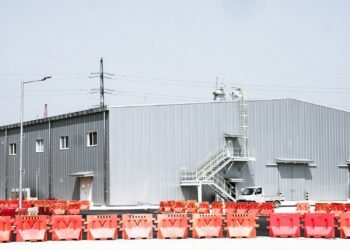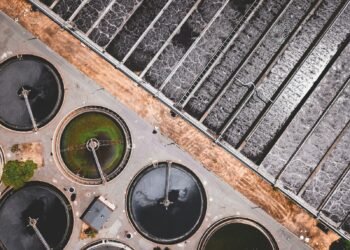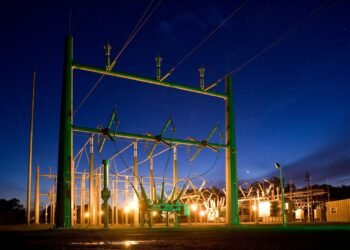


On every big project there is a line on the drawings that splits the job in two. Inside the fence is the building and everything it needs to run. Outside the fence is everything that gets utilities to the site. Owners, contractors and suppliers often focus on one side and forget the other, and that is where money and time go missing.
Inside the fence
This is the part most people picture. It includes:
- The building structure, roof and envelope
- Mechanical systems: chillers, boilers, air handlers, pumps, piping and valves
- Electrical systems: switchgear, generators, transfer switches and distribution
- Plumbing: domestic water, sanitary waste, storm drainage and medical gas where needed
- Fire protection, controls, security and communications
- Onsite storage: fuel tanks, water tanks and chemical storage
- Yard piping that connects buildings and equipment on the property
Outside the fence
This is the work that gets the site connected to the world. It often belongs to a utility, a city or a third party, and it runs on their schedule, not the project’s.
- Power: transmission lines, substations, interconnection studies and the utility’s own transformers
- Water: the municipal main, the tap, the meter and any pump station or storage tank that serves the site
- Fire water: hydrants, loops and flow tests
- Wastewater: the sewer connection, capacity and any pretreatment or discharge permit
- Natural gas: the pipeline, the meter set and the pressure at the property line
- Fiber and telecom: routes, redundancy and diverse entry points
- Roads and stormwater: access, turn lanes, drainage and detention
- Easements and permits: rights of way, environmental review and zoning
The handoff point
Every utility has a point where its responsibility ends and the owner’s begins. It might be a meter, a valve or a transformer. Where that point sits decides who designs, who pays, who owns the equipment and who gets called when something fails. It should be in the drawings and in writing before anyone orders materials.
What people get wrong
- Assuming capacity exists. The main in the street may be too small or the substation may be full.
- Underestimating lead times. Utility work can take years, long after the building is done.
- Splitting responsibility without a clear owner. Gaps between scopes lead to claims.
- Forgetting water. Cooling systems and fire protection can need millions of gallons, and the connection has to be sized for peak demand.
- Ignoring the neighbors. Noise, traffic and drainage can stop a project.
A simple way to plan
Start the outside the fence work first. Get the utility will-serve letters, the capacity studies and the permits moving while the building is still being designed. Then lay out the handoff points on one drawing that everyone signs. Inside the fence is easier to control. Outside is where the schedule is won or lost.
See also: what gets specified in a data center and what gets specified in a hospital.