



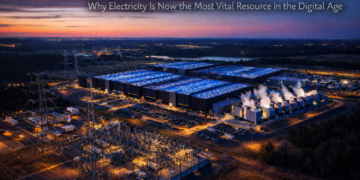
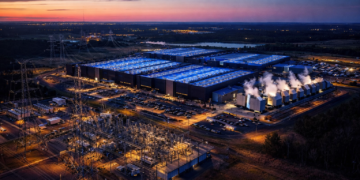
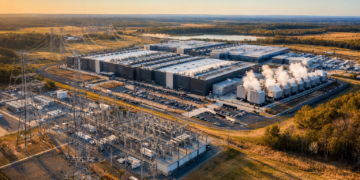


Utilities are entering a new era. For the first time in decades, electricity demand is surging — and the drivers aren’t traditional industrial loads, but the digital and clean energy revolutions unfolding at the same time.
- AI data centers are scaling at hyperspeed, running 24/7 inference clusters and training models that consume as much power as small cities.
- Electric vehicles (EVs) are moving from early adopters into the mainstream, with fleet electrification adding pressure on distribution systems.
- Industry electrification — from steel to chemical production — is shifting processes once powered by fossil fuels onto the grid.
The result: one of the steepest demand ramps modern utilities have ever seen.
The Utility Dilemma
Utilities are tasked with a balancing act:
- Add capacity quickly enough to meet new demand.
- Keep reliability high, with no tolerance for outages.
- Ensure affordability for ratepayers.
- And meet climate goals by avoiding new fossil-heavy capacity.
The solutions are complex, but the toolkit is growing.
Four Strategies Gaining Momentum
1. Grid-Scale Storage as the New Peaker
Utility-scale batteries are increasingly being used to offset peak demand, replacing traditional gas peakers in some regions. Four-hour lithium-ion systems are already mainstream; longer-duration storage (iron-air, flow batteries) is in development.
2. Virtual Power Plants (VPPs)
By aggregating thousands of distributed energy resources — from EV chargers to industrial demand response — VPPs act as invisible, flexible power plants. They help balance renewables while reducing the need for new fossil capacity.
3. Hybrid Systems for Firm Clean Capacity
Hybrid projects that combine solar + storage + cogeneration can deliver resilience and reliability for large campuses, data centers, and industrial facilities. With smart dispatch, these systems lower emissions and provide grid services.
4. AI Forecasting & Digital Twins
AI models and digital twins are being deployed to simulate grid performance, forecast demand spikes, and optimize dispatch. This technology is essential for managing the complexity of high-renewable, high-demand grids.
Challenges on the Road Ahead
Even with solutions in hand, barriers remain:
- Regulation: Market rules don’t always reward flexibility or allow rapid integration of new tech.
- Cost: Upfront capital for storage, hybrid projects, and grid upgrades can be daunting.
- Speed: Transmission projects often take a decade; demand growth is happening now.
- Trust in new tools: Utilities and regulators need proof that VPPs, hybrid systems, and digital models can perform reliably under stress.
Where Hybrid Energy Fits
One promising bridge strategy is hybrid energy systems. For utilities and large load customers alike, combining renewable assets with storage and cogeneration creates dispatchable capacity that aligns with both reliability needs and sustainability goals.
👉 Companies like Pacifico Energy are helping organizations evaluate these options through site assessments, feasibility studies, and integrated system design. To learn more, contact phil@pacificoenergy.com.
The Conversation We Need
The surge in demand isn’t a distant forecast — it’s already happening. For utilities and energy providers, the question is no longer if but how fast they can adapt.
We want to hear from energy and utility professionals:
- Which strategies are gaining real traction in your markets?
- Where are you seeing bottlenecks — regulatory, financial, or technical?
- Are AI and EVs reshaping your demand curves faster than expected?
💬 Share your insights with EcoBusinessNews. Real-world lessons from the field are essential as utilities navigate this historic transition