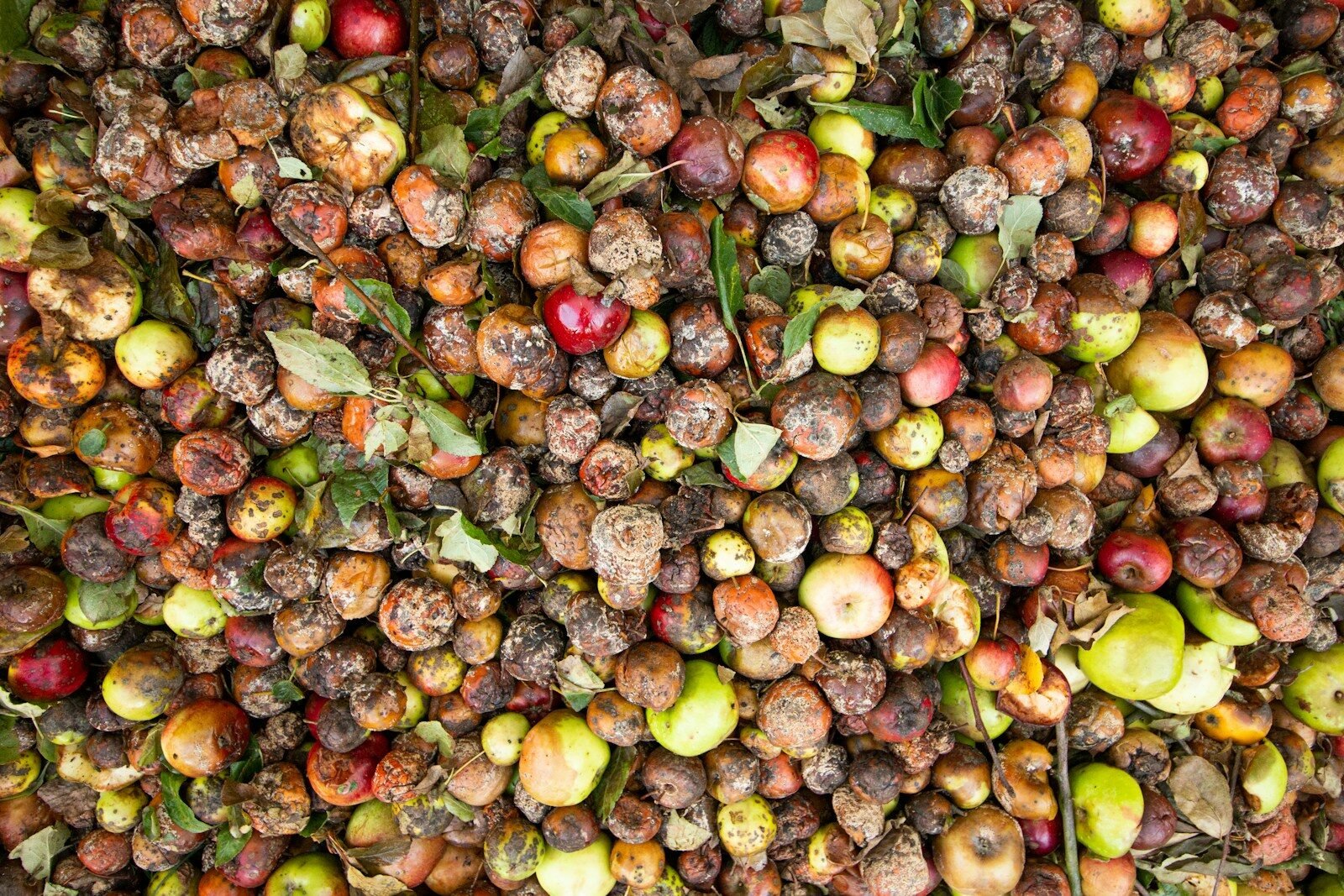

US food waste is bigger than most people think. The USDA estimates that 30 to 40 percent of the US food supply goes to waste.
The numbers
USDA’s Economic Research Service found that 31 percent of the food supply, about 133 billion pounds, was lost at the retail and consumer level in 2010.
That works out to about 1,249 calories per American per day, worth roughly 161 billion dollars.
The goal
The US has a goal to cut food loss and waste in half by 2030. The EPA puts the 2019 figure at 349 pounds per person, with a target of 164 pounds.
Get the Eco Business News newsletter. Free.
Plain news on eco, business and data centers. No spam.
What helps at home
Plan meals, check the fridge before shopping, freeze leftovers and compost what you cannot eat.
The fine print
The USDA figure counts food loss, including spoilage and cooking shrinkage, not only edible food thrown away. The data are from 2010, and USDA says its estimates are not complete.
Why it matters
Wasted food also wastes the water, land and energy used to grow it, and rotting food in landfills creates methane.
Try it yourself
Want a new eco fact every day? Try the Daily Eco Question, a free one question quiz that builds your day streak.
Tell us what you are building and what changed. Our newsroom reads every submission.
Submit your companySources: USDA Economic Research Service, USDA food waste FAQ, US EPA 2030 food waste goal.
Key takeaways on US food waste
Here is the short version on US food waste. USDA’s Economic Research Service found that 31 percent of the food supply, about 133 billion pounds, was lost at the retail and consumer level in 2010. That works out to about 1,249 calories per American per day, worth roughly 161 billion dollars. The US has a goal to cut food loss and waste in half by 2030. Plan meals, check the fridge before shopping, freeze leftovers and compost what you cannot eat. The USDA figure counts food loss, including spoilage and cooking shrinkage, not only edible food thrown away. Wasted food also wastes the water, land and energy used to grow it, and rotting food in landfills creates methane.
Use these points on US food waste as a starting point, check the numbers against your own home or business, and share what you learn with someone who can use it.