
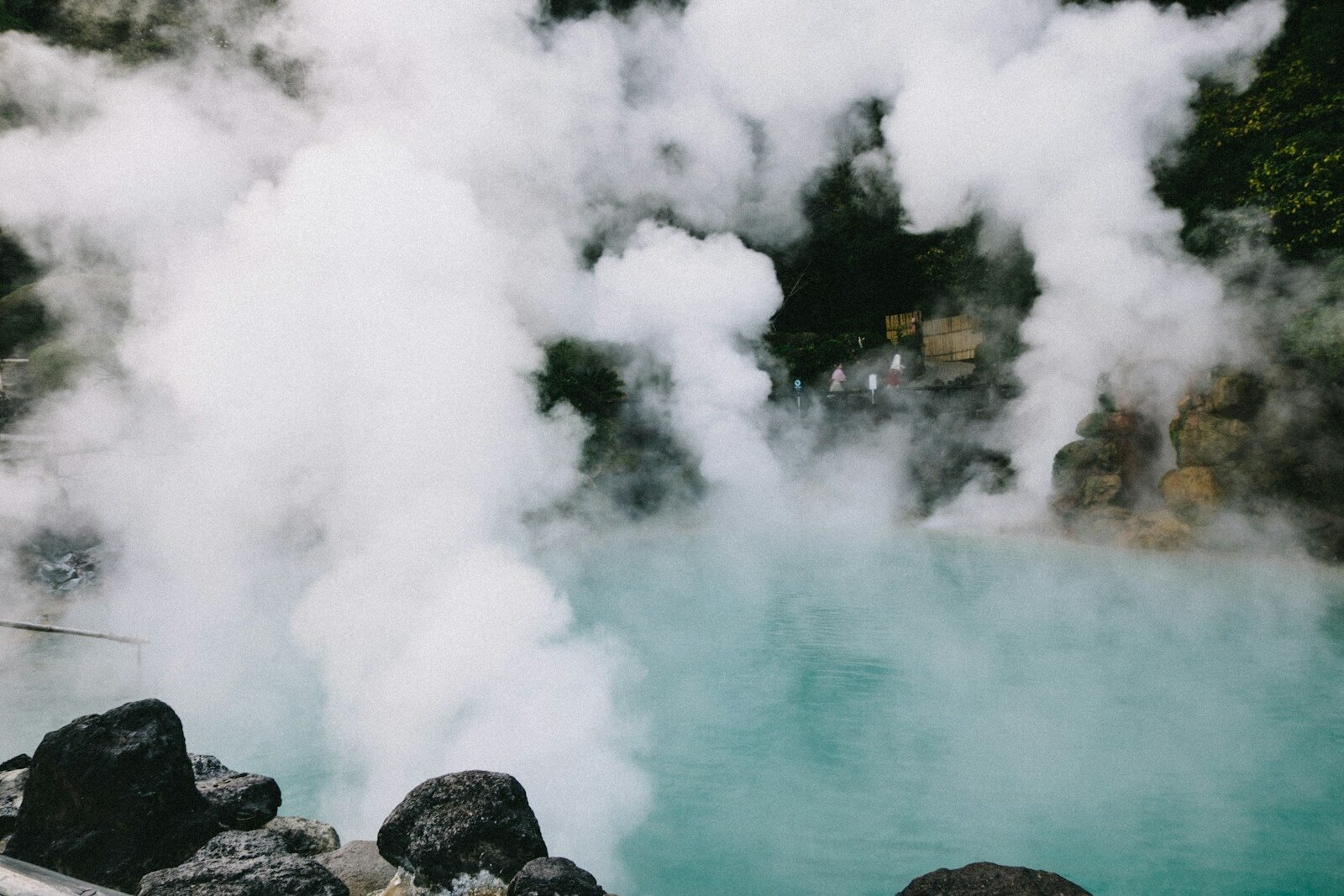

Geothermal energy is power and heat taken from the natural heat of the earth. Unlike wind and solar, it runs day and night, which makes it attractive for users that need steady supply.

How geothermal works
Wells reach hot water or steam underground. The steam spins a turbine to make electricity, or the hot water heats buildings directly. After use, the water is usually returned underground to be heated again.
Two main uses
Power plants produce electricity, mostly in places with strong underground heat. Direct use and ground source heat pumps provide heating and cooling for buildings almost anywhere, using the stable temperature just below the surface.
Why steady power matters
Many businesses, from factories to data centers, need power around the clock. A source that does not depend on weather can fill that gap and balance wind and solar on the grid.
The limits
Good resources are found in particular regions, and drilling is costly and carries risk. New methods aim to reach hot rock in more places. The U.S. Department of Energy explains the main technologies.
What to remember
Geothermal will not be everywhere, but it is a strong match where resources exist. To see how it fits a bigger plan, read our overview of climate tech.
Get the Eco Business News newsletter. Free.
Plain news on eco, business and data centers. No spam.