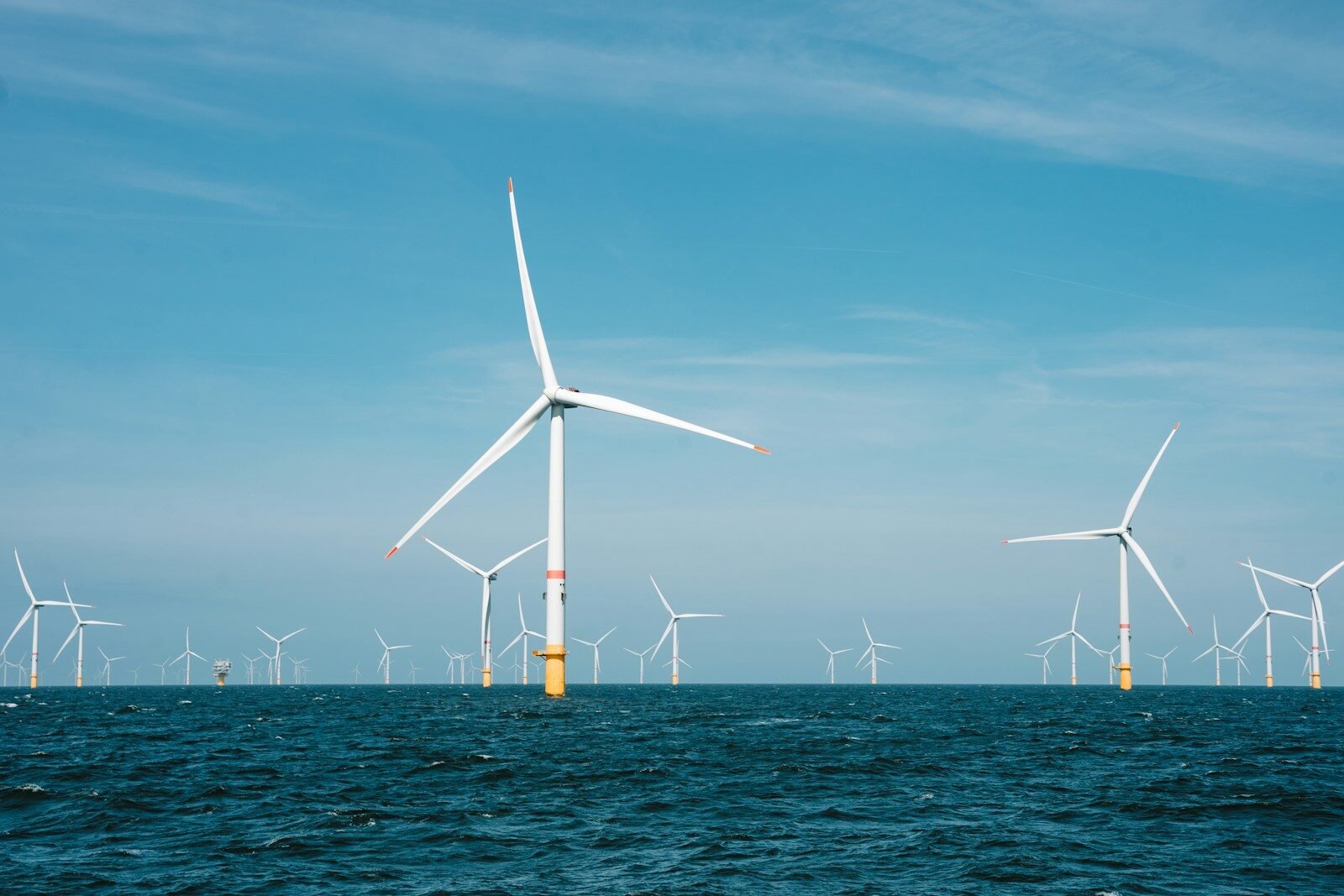

The offshore wind coal exit at Orsted is one of the biggest energy turnarounds in business. On 31 August 2024 the Danish company shut down its last coal-fired combined heat and power plant, Esbjerg Power Station in western Denmark.
What the offshore wind coal exit closed
Orsted says Esbjerg burned about 500,000 tonnes of coal a year and released about 1.2 million tonnes of CO2, comparable to about 600,000 European fossil cars. Two other units, Studstrup unit 4 and Kyndby unit 21, also closed on the same day. The company reported that its Scope 1 and 2 emissions intensity fell 92 percent from 2006 to 2023, and it set targets for 2025 of a 98 percent cut and a 99 percent green share of generation. Those are company figures and targets, not final results.
Security of supply came first
In October 2022 Danish authorities ordered the Esbjerg unit, along with Studstrup unit 4 and Kyndby unit 21, to keep running for energy security. The plants closed once that order ended. About 50 Esbjerg employees were to move to other roles, retire or leave the company.
Get the Eco Business News newsletter. Free.
Plain news on eco, business and data centers. No spam.
The biomass caveat
Much of the coal reduction came from converting plants to burn wood pellet biomass. Critics, including the think tank Sandbag and Chatham House, say biomass can add emissions and harm forests. Orsted says biomass is CO2 neutral only if it is sustainably sourced. So the accurate description is coal-free with biomass, not fossil-free.
Why it matters
A company that once ran on coal and oil became a leading builder of offshore wind. The story shows that large energy firms can change their business, and it shows the details readers should check, such as what replaces the coal and how it is sourced.
Tell us what you are building and what changed. Our newsroom reads every submission.
Submit your companySources: Orsted news release, August 29, 2024; Bioenergy News, August 30, 2024. Figures marked as company reported come from the company itself.