
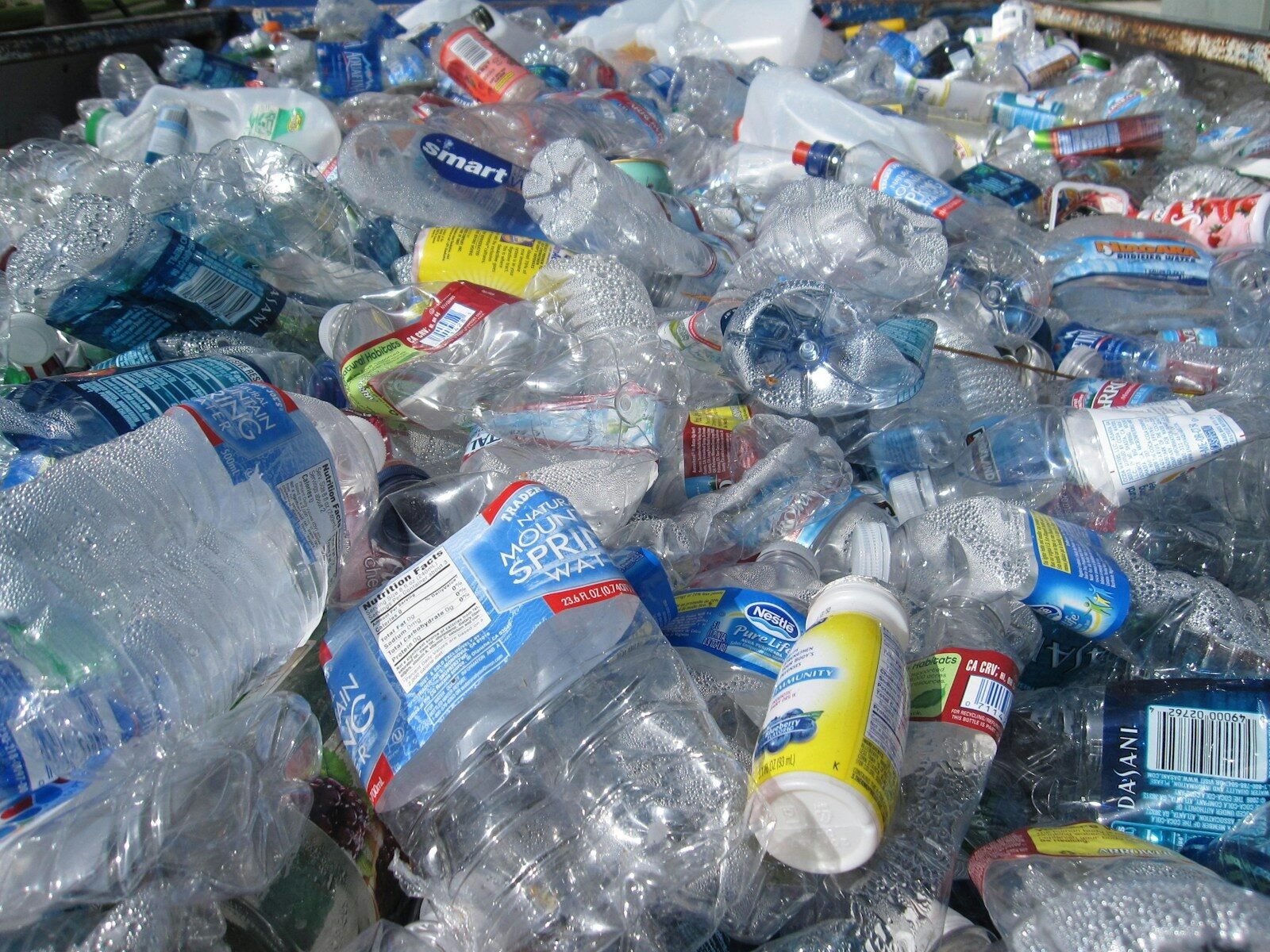
The global plastic recycling rate is lower than most people guess. The OECD found that of 353 million tonnes of plastic waste in 2019, only 9 percent was recycled after losses.
Where the rest goes
About 19 percent was burned and almost half went to sanitary landfills, the OECD reports.
Another 22 percent was mismanaged, meaning it ended up in uncontrolled dumps, was burned in the open or leaked into the environment.
A growing pile
The OECD says plastic waste has roughly doubled in 20 years.
Get the Eco Business News newsletter. Free.
Plain news on eco, business and data centers. No spam.
In the US
The US EPA reports an 8.7 percent recycling rate for all plastics in 2018. PET bottles and jars did better, at 29.1 percent.
The fine print
The OECD numbers are global and from 2019. The EPA numbers are US and from 2018. They measure different things, so they should not be compared directly.
Why it matters
Recycling alone cannot keep up. Using less single-use plastic matters as much as recycling what we use.
Try it yourself
Want a new eco fact every day? Try the Daily Eco Question, a free one question quiz that builds your day streak.
Tell us what you are building and what changed. Our newsroom reads every submission.
Submit your companySources: OECD plastics lifecycle, OECD on plastic pollution, US EPA plastics data.
Key takeaways on plastic recycling rate
Here is the short version on plastic recycling rate. About 19 percent was burned and almost half went to sanitary landfills, the OECD reports. Another 22 percent was mismanaged, meaning it ended up in uncontrolled dumps, was burned in the open or leaked into the environment. The OECD says plastic waste has roughly doubled in 20 years. The US EPA reports an 8. The OECD numbers are global and from 2019. Recycling alone cannot keep up. Want a new eco fact every day? Sources: OECD plastics lifecycle, OECD on plastic pollution, US EPA plastics data.
Use these points on plastic recycling rate as a starting point, check the numbers against your own home or business, and share what you learn with someone who can use it.
Plastic recycling rate in practice
When you look at plastic recycling rate, start with the basics and then check how they apply to your own situation. A clear view of plastic recycling rate helps you ask better questions and avoid costly mistakes.
In short, plastic recycling rate is easier to judge when you use plain numbers, trusted sources, and a simple checklist.
Related reading
Aluminum can recycling: recycled metal saves 95 percent of the energy | Cardboard recycling rate: boxes are a recycling success story | Plastic recycling numbers 1 to 7 explained
For more background, see the U.S. Department of Energy.
Quick recap
- The short version: Listen to this article 1x 1.25x 1.5x (function(){var w=document.currentScript.parentNode;var b=w.querySelector(‘.ebn-lb’),t=w.querySelector(‘.ebn-lt’),s=w.querySelector(‘.ebn-ls’);if(!(‘speechSynthesis’ in window)){w.style.display=’none’;return}var root=w.closest(‘.content-inner’)||document;var q=[],i=0,on=false;function build(){q=[];root.querySelectorAll(‘p,h2’).forEach(function(e){if(e.closest(‘.ebn-listen,.ebn-sub-end’))return;var x=e.textContent.trim();if(x.length>2)q.push(x)});return q}function words(){return build().join(‘ ‘).split(/\s+/).length}t.textContent=Math.max(1,Math.round(words()/160))+’ min listen’;function say(){if(!on||i>=q.length){on=false;b.textContent=’Listen to this article’;b.className=’ebn-lb’;i=0;return}var u=new SpeechSynthesisUtterance(q[i]);u.rate=parseFloat(s.value);u.lang=’en-US’;u.onend=function(){i++;say()};speechSynthesis.speak(u)}b.onclick=function(){if(on){on=false;speechSynthesis.cancel();b.textContent=’Listen to this article’;b.className=’ebn-lb’;return}build();i=0;on=true;b.textContent=’Stop listening’;b.className=’ebn-lb ebn-on’;speechSynthesis.cancel();say()};s.onchange=function(){if(on){speechSynthesis.cancel();say()}};window.addEventListener(‘beforeunload’,function(){speechSynthesis.cancel()})})(); The global plastic recycling rate is lower than most people guess.
- Where the rest goes: About 19 percent was burned and almost half went to sanitary landfills, the OECD reports.
- A growing pile: The OECD says plastic waste has roughly doubled in 20 years.
- In the US: The US EPA reports an 8.7 percent recycling rate for all plastics in 2018.
- The fine print: The OECD numbers are global and from 2019.
- Why it matters: Recycling alone cannot keep up.
- Try it yourself: Want a new eco fact every day?
Questions readers ask
What should I know about the short version?
The OECD found that of 353 million tonnes of plastic waste in 2019, only 9 percent was recycled after losses.
What should I know about where the rest goes?
Another 22 percent was mismanaged, meaning it ended up in uncontrolled dumps, was burned in the open or leaked into the environment.
What should I know about a growing pile?
Get the Eco Business News newsletter. Plain news on eco, business and data centers.
What should I know about in the us?
PET bottles and jars did better, at 29.1 percent.
What should I know about the fine print?
The EPA numbers are US and from 2018. They measure different things, so they should not be compared directly.
What should I know about why it matters?
Using less single-use plastic matters as much as recycling what we use.
Test yourself
- In one sentence, how would you explain the short version to a friend? Compare your answer with the section above.
- In one sentence, how would you explain where the rest goes to a friend? Compare your answer with the section above.
- In one sentence, how would you explain a growing pile to a friend? Compare your answer with the section above.
- In one sentence, how would you explain in the us to a friend? Compare your answer with the section above.
Share this guide
If this guide on plastic recycling rate was useful, send it to a colleague, a neighbor or your team. Use the share buttons at the top of the page to post it on LinkedIn, email it, or copy the link.