
Plastic recycling numbers, the small 1 to 7 inside the triangle, are some of the most misunderstood symbols in your kitchen. The US EPA says that code does not guarantee an item is recyclable where you live.
What the number really means
The code tells you the type of plastic, not whether your town takes it, the University of Michigan explains. Acceptance depends on your local sorting facility.
The usual suspects
Number 1 (PET) and number 2 (HDPE), used in bottles and jugs, are the most widely accepted, according to the University of South Florida.
Number 3 (PVC) is harder to recycle and number 6 (polystyrene, often foam) is generally not accepted. Numbers 4, 5 and 7 depend on your local program.
Get the Eco Business News newsletter. Free.
Plain news on eco, business and data centers. No spam.
The easy rule
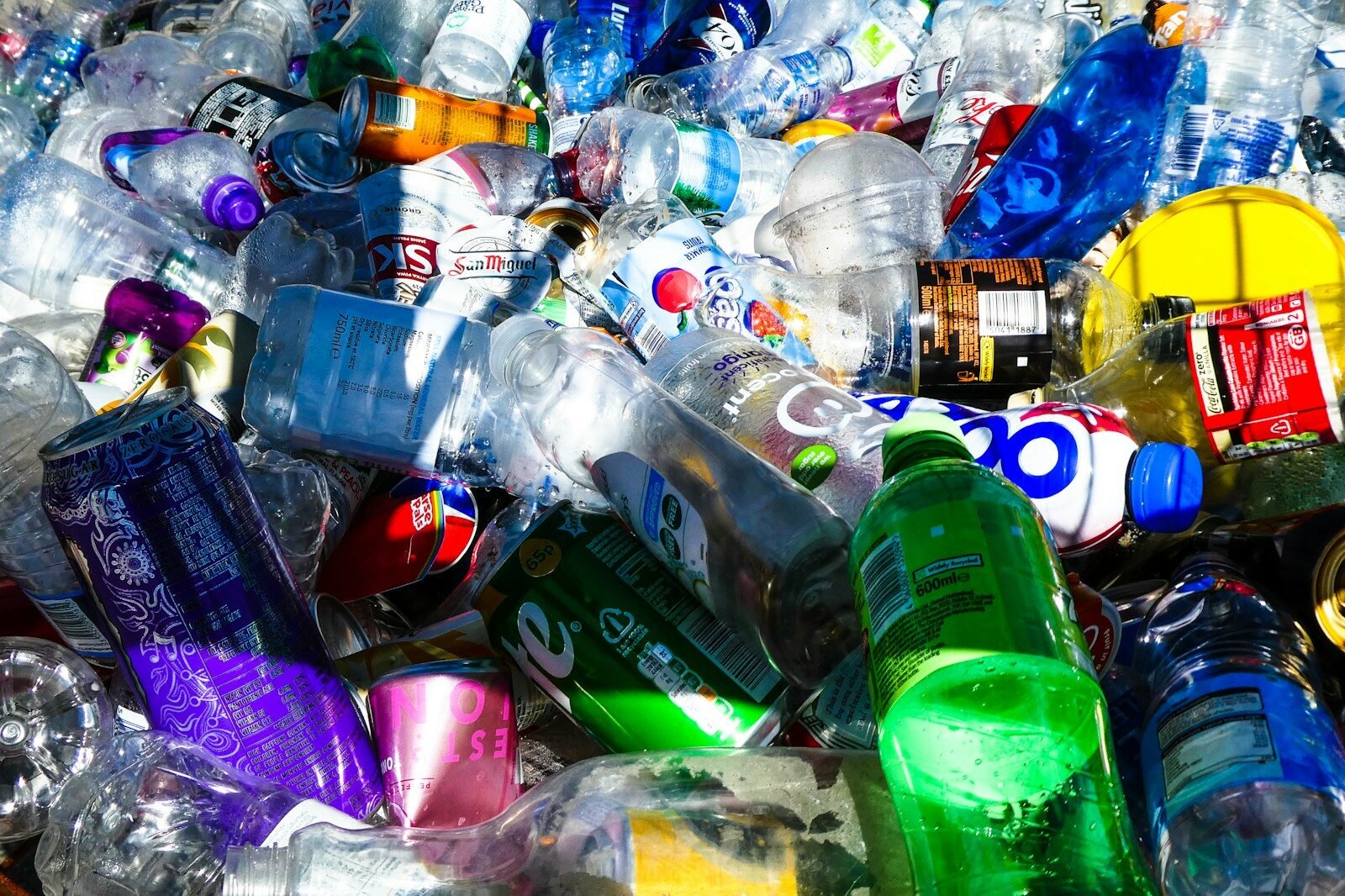
The EPA says plastic bottles are the most commonly recycled plastic product. Bottles, jugs and tubs are a safe start. For everything else, check your local list.
The fine print
Many programs sort by shape, like bottles and tubs, rather than by number, so the same number can be accepted in one town and rejected in another.
Why it matters
Knowing what the number means stops wishcycling and keeps recycling loads clean.
Try it yourself
Think you know your bins? Play Sort It Right, our free recycling game, and see how many of 12 everyday items you can sort before the clock runs out.
Tell us what you are building and what changed. Our newsroom reads every submission.
Submit your companySources: US EPA recycling FAQ, University of South Florida, University of Michigan Planet Blue.
Key takeaways on plastic recycling numbers
Here is the short version on plastic recycling numbers. The code tells you the type of plastic, not whether your town takes it, the University of Michigan explains. Number 1 (PET) and number 2 (HDPE), used in bottles and jugs, are the most widely accepted, according to the University of South Florida. Number 3 (PVC) is harder to recycle and number 6 (polystyrene, often foam) is generally not accepted. The EPA says plastic bottles are the most commonly recycled plastic product. Many programs sort by shape, like bottles and tubs, rather than by number, so the same number can be accepted in one town and rejected in another. Knowing what the number means stops wishcycling and keeps recycling loads clean.
Use these points on plastic recycling numbers as a starting point, check the numbers against your own home or business, and share what you learn with someone who can use it.