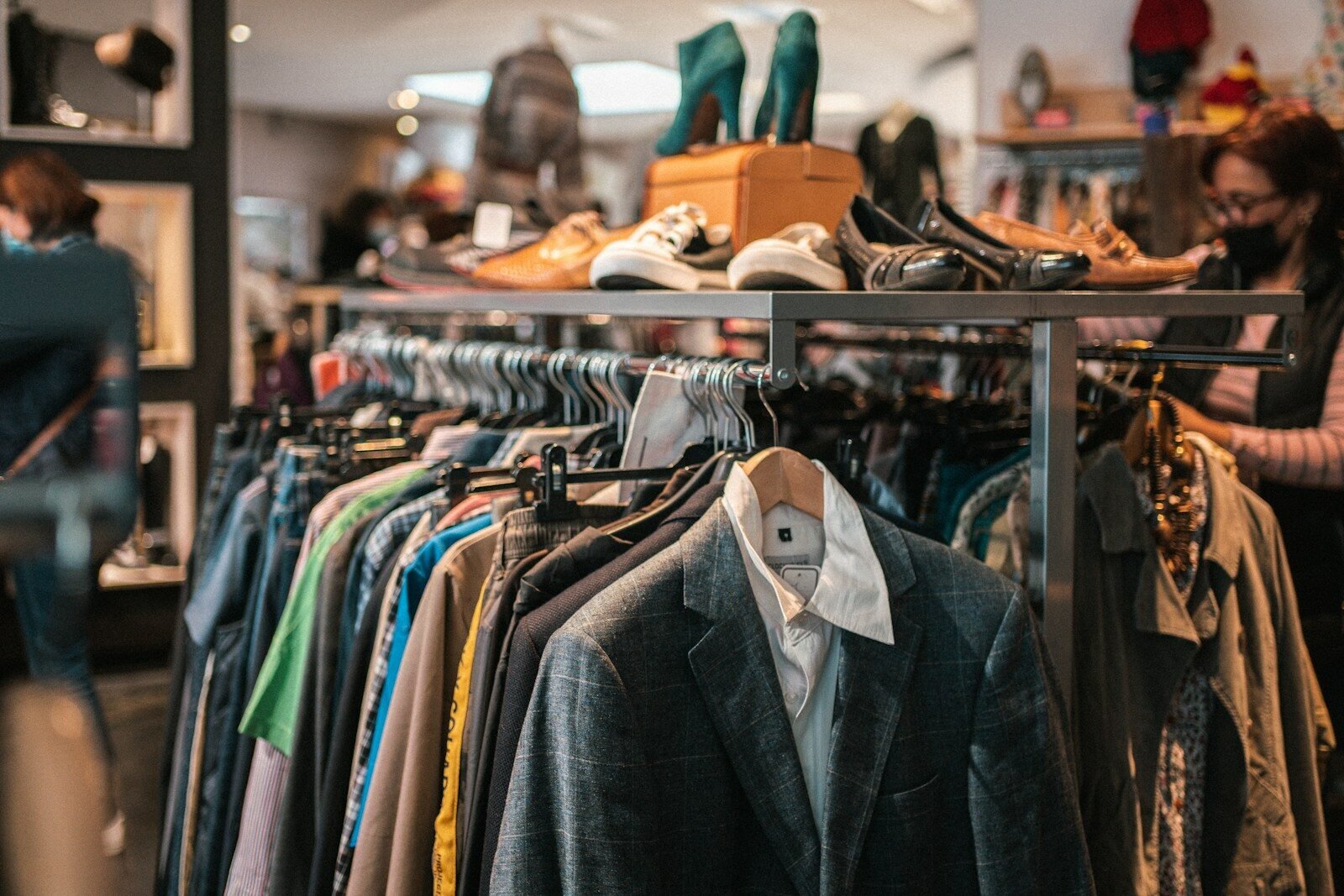

Secondhand clothing is one of the easiest ways to lower the footprint of what you wear. Every item worn again is one less new item made and one less thrown away.
What gets thrown away
Americans generated 13 million tons of clothing and footwear waste in 2018, according to the US EPA.
Only about 13 percent of it was recycled that year.
What new clothes take
The European Environment Agency estimates the average EU resident’s textile use takes about 9 cubic meters of water and creates about 270 kilograms of carbon footprint a year.
Get the Eco Business News newsletter. Free.
Plain news on eco, business and data centers. No spam.
Easy swaps
Shop thrift and resale first, swap with friends, repair what you can and donate what you no longer wear.
The fine print
The EPA data are from 2018 and the EEA numbers are EU averages, not US figures. Reused clothing is not counted in the EPA waste totals.
Why it matters
Wearing clothes longer is a simple way to cut waste, water and emissions at the same time.
Try it yourself
Can you spot the greener option every time? Play Greener Choice, our free eco quiz game, and see how long your streak lasts.
Tell us what you are building and what changed. Our newsroom reads every submission.
Submit your companySources: US EPA clothing and footwear data, European Environment Agency.
Key takeaways on secondhand clothing
Here is the short version on secondhand clothing. Americans generated 13 million tons of clothing and footwear waste in 2018, according to the US EPA. Only about 13 percent of it was recycled that year. The European Environment Agency estimates the average EU resident’s textile use takes about 9 cubic meters of water and creates about 270 kilograms of carbon footprint a year. Shop thrift and resale first, swap with friends, repair what you can and donate what you no longer wear. The EPA data are from 2018 and the EEA numbers are EU averages, not US figures. Wearing clothes longer is a simple way to cut waste, water and emissions at the same time.
Use these points on secondhand clothing as a starting point, check the numbers against your own home or business, and share what you learn with someone who can use it.