


By Positive Phil
Something interesting is happening in the technology world right now.
Companies building artificial intelligence platforms and massive computing networks are running into a challenge that has nothing to do with software.
Power.
A lot of it.
The Computing Boom
Over the past decade the world has quietly built an enormous amount of digital infrastructure.
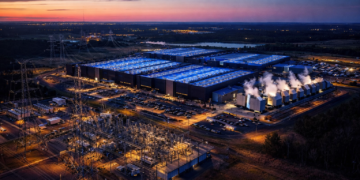
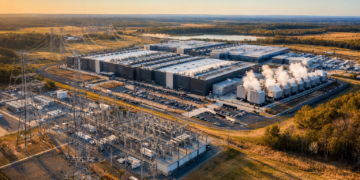
Data centers.
Cloud computing networks.
Digital asset infrastructure.
Artificial intelligence training facilities.
All of it runs on machines that require constant power and cooling.
And those machines run all day, every day.
When Computing Meets the Power Grid
As computing demand grows, so does the need for electricity.
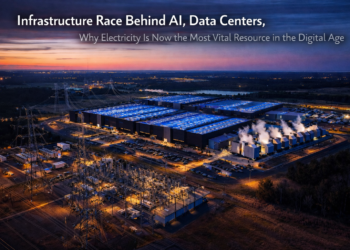
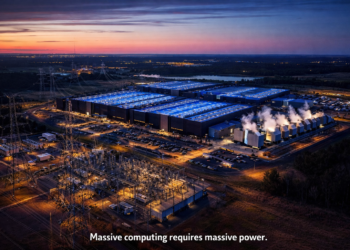
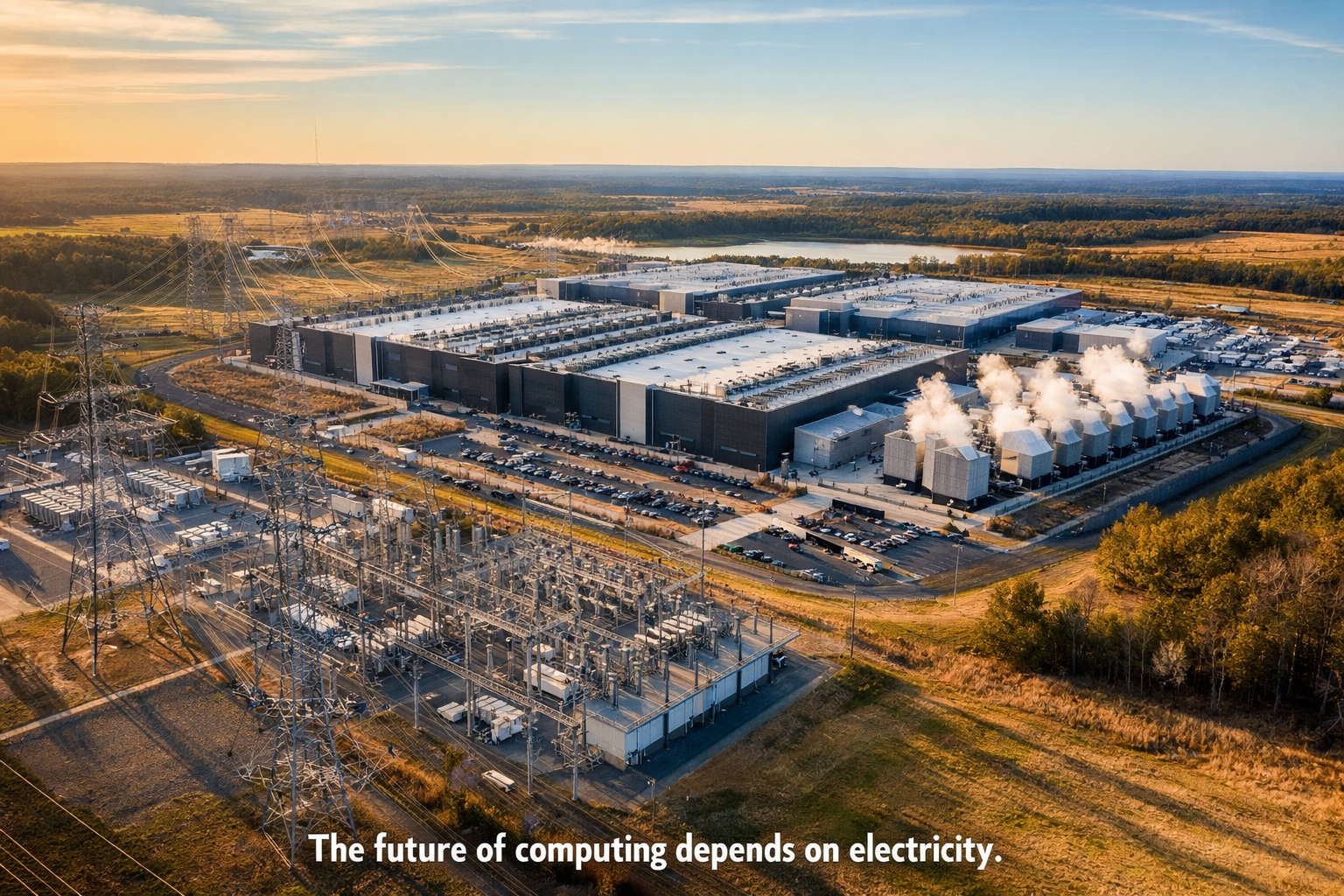
Some of the newest computing campuses require hundreds of megawatts of power.
That’s not a small number.
To put it in perspective, that level of electricity demand can rival the energy use of entire towns.
Which means companies building large-scale computing infrastructure are now thinking about something many tech companies never worried about before:
Energy planning.
Where the power comes from.
How reliable the grid is.
How quickly new infrastructure can be built.
Why This Matters
The digital economy is often described as something that lives in “the cloud.”
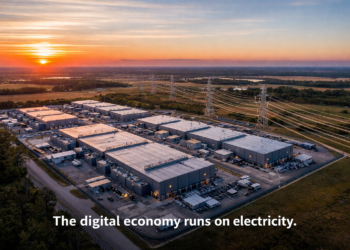
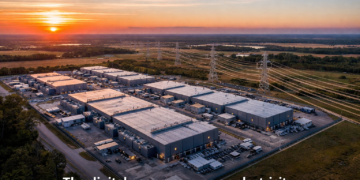
But the cloud is actually a network of very real facilities.
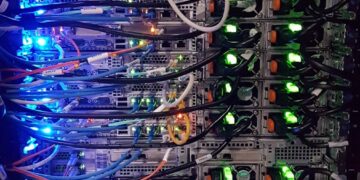
Buildings filled with servers.
Cooling systems.
Electrical infrastructure.
Transmission lines feeding power into those sites.
In other words, the future of computing is becoming deeply connected to energy infrastructure.
A Shift Worth Watching
Companies like Cipher Digital and others operating large computing facilities are part of a much bigger shift taking place.
Technology companies are no longer just software companies.
Many are becoming infrastructure companies as well.
They need land.
They need grid access.
They need long-term power solutions.
From where I sit, working in the energy world, that intersection between computing demand and electricity supply is one of the most fascinating developments unfolding right now.
Because the next generation of digital innovation won’t just depend on better software.
It will depend on power.
Reliable power.
And lots of it.
More soon.
— Positive Phil