
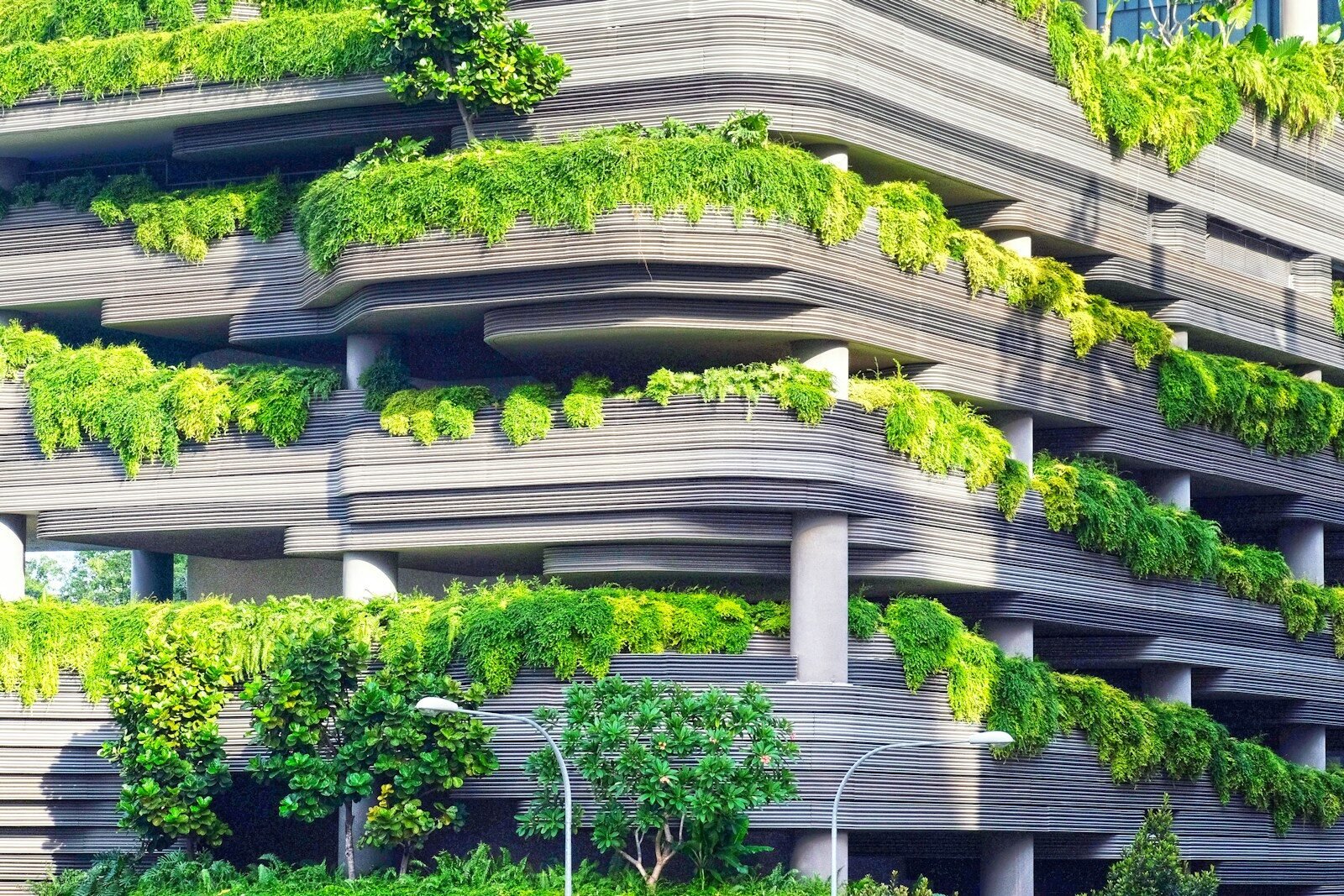

LEED certification is a rating system that shows a building was designed and built to meet set standards for energy, water, materials and health. It is one of the most recognized green building labels in the world.

How the points work
Projects earn points across areas such as location, water efficiency, energy use, materials and indoor air quality. The total points decide the level: Certified, Silver, Gold or Platinum.
Who uses it
Owners of offices, schools, warehouses and homes all use it. Tenants and investors often look for certified space because it signals lower operating costs and a better place to work.
What it costs and saves
Certification adds fees and design effort. Many owners see the payoff in lower energy and water bills, stronger demand from tenants and a record that supports their sustainability reports. Savings depend on the project.
Other labels to know
Other systems exist too, including ENERGY STAR for performance and WELL for health. The U.S. Green Building Council runs LEED and explains each level.
Where to start
Ask your project team which rating fits your goals before design begins, since early choices cost less. For more on efficient buildings, see our guide to commercial heat pumps.
Get the Eco Business News newsletter. Free.
Plain news on eco, business and data centers. No spam.