







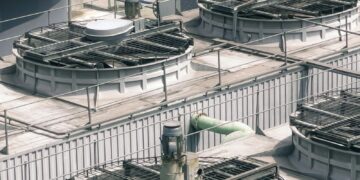



Commercial heat pumps move heat instead of making it by burning fuel. In a building, they can both heat and cool, which is why many owners are looking at them as boilers and chillers age out.
How they work
A heat pump uses a refrigerant cycle to pull heat from one place and release it in another. Because it moves energy rather than creating it, it can deliver more heat than the electricity it uses. The U.S. Department of Energy has plain explainers on how the technology works.
Where they fit
Offices, schools, hotels and light industrial sites are common fits. Some systems can also capture waste heat, for example from cooling equipment, and reuse it elsewhere in the building.
What to check before you buy
Look at the climate, the building’s heating load, electrical capacity and the existing distribution system. Ask for performance numbers at the temperatures you actually see, not just at mild conditions. Check for utility rebates and tax incentives, which vary by location.
Why it matters
Buildings are a major source of energy use and emissions. Efficient equipment is one of the more practical ways a business can cut both. See our guide to sustainable building for more.
Related reading
Keep going with more explainers in Eco Explained, or see the latest in News.