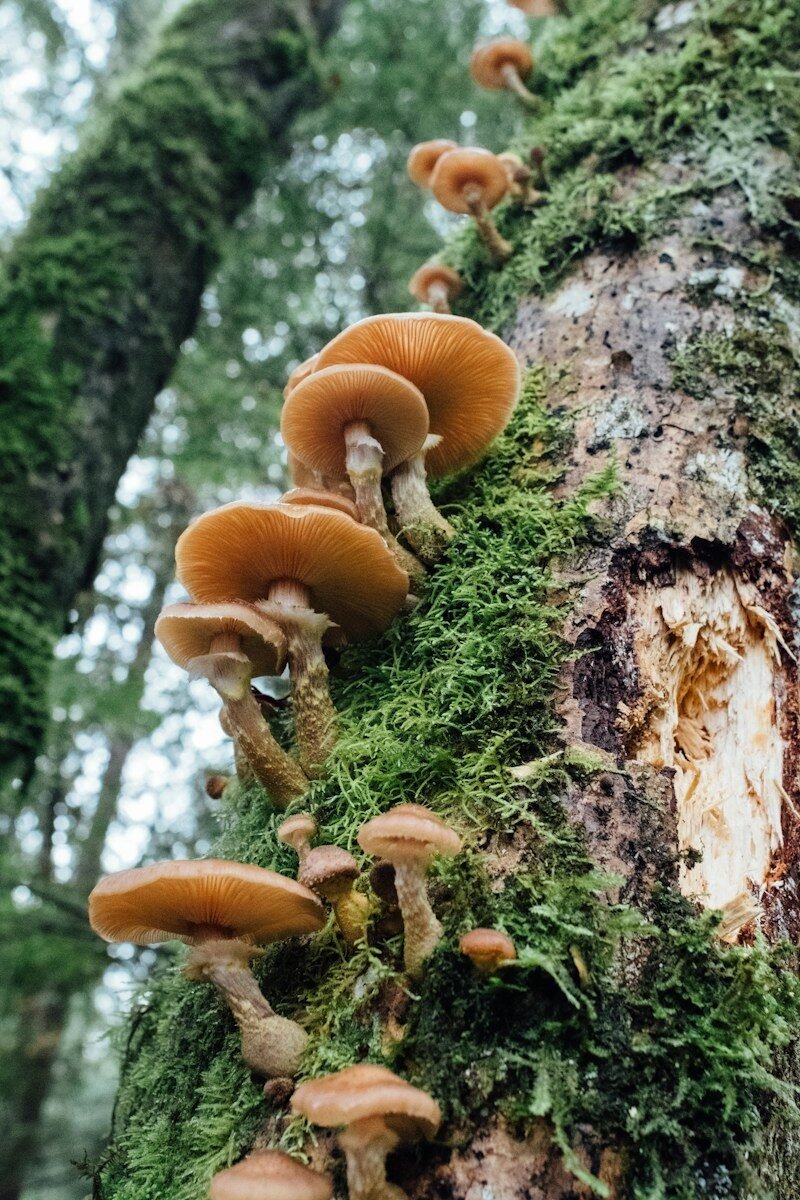

Mycelium materials are the root structure of mushrooms, and Ecovative Design has spent years turning them into packaging, leather and foam. The company is based in Green Island, New York, near Troy.
How mycelium materials are made
Ecovative was co-founded by Rensselaer Polytechnic Institute graduates Eben Bayer and Gavin McIntyre and has worked with mycelium since 2007. Its mushroom packaging is home compostable and can decompose in as little as 45 days, according to a 2019 report. The company says it ships desiccated, with no living fungus. These are company claims.
Products and plants
Ecovative’s lines include Forager Hides, a vegan mycelium leather, MycoComposite, MycoFlex foam and Mushroom Packaging. In 2015 it opened a second plant in Troy, New York, and licensed its Restore mushroom packaging to Sealed Air for North America. In 2021 it announced 60 million dollars in funding, and its Forager hides grow in nine days. In 2022 it opened Swersey Silos, which it calls the world’s largest AirMycelium farm.
Get the Eco Business News newsletter. Free.
Plain news on eco, business and data centers. No spam.
Food side projects
Mycelium is also used in food, such as the MyForest Foods MyBacon alternative. These show how one biological material can serve very different markets.
What to verify
Much of the public information is dated 2015 to 2022, and the company’s FAQ said some products, such as MycoFlex foam, were not yet commercially available at the time. Readers should confirm current availability with Ecovative. Still, replacing plastic foam with something that composts at home is exactly the kind of practical idea this series looks for.
Tell us what you are building and what changed. Our newsroom reads every submission.
Submit your companySources: Chronogram, October 2019; VegNews, April 2021; Ecovative FAQ. Figures marked as company reported come from the company itself.