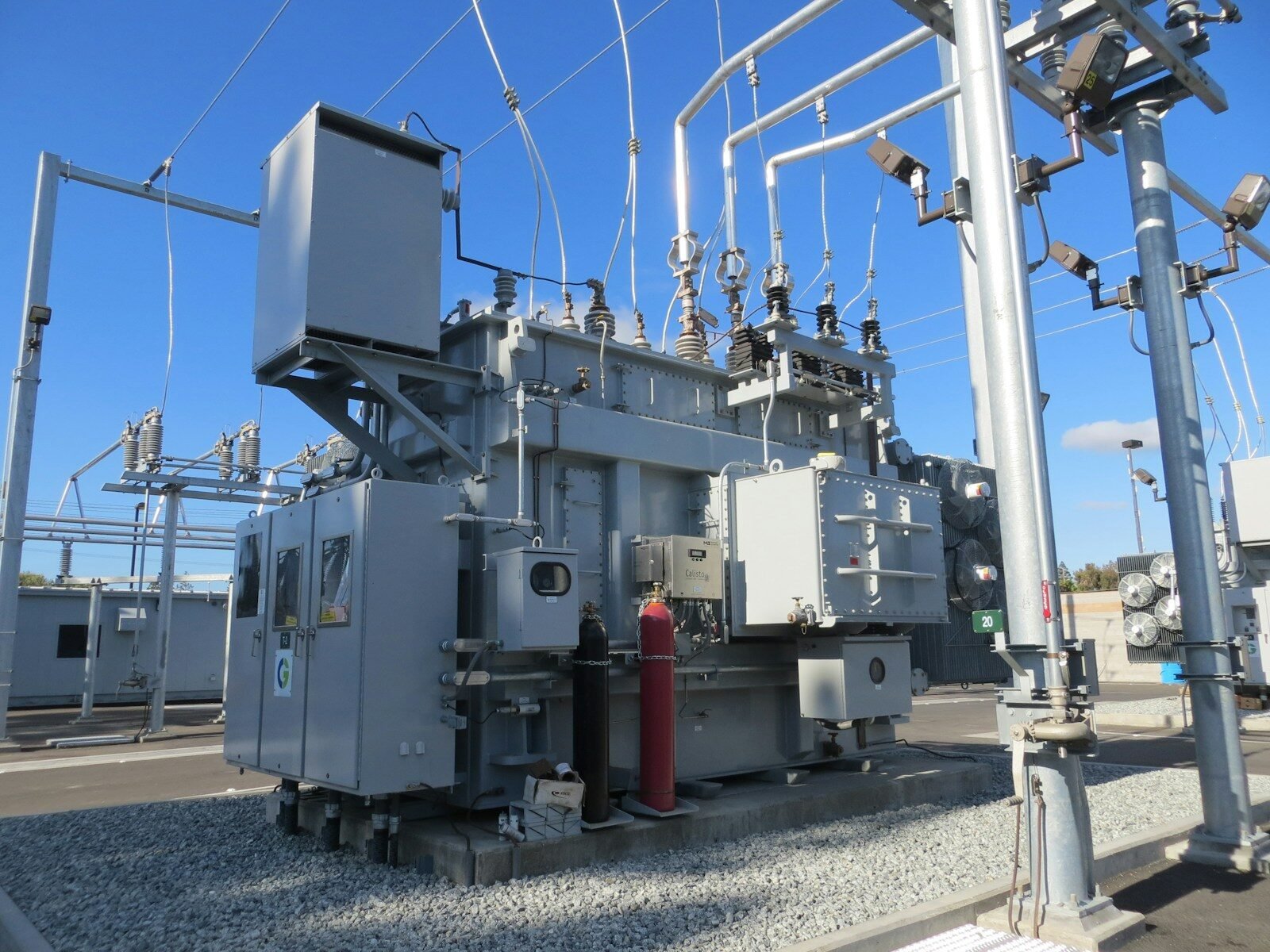

The power grid is the network that carries electricity from where it is made to where it is used. It has to balance supply and demand every second, because electricity cannot be stored cheaply in large amounts.

The three main parts
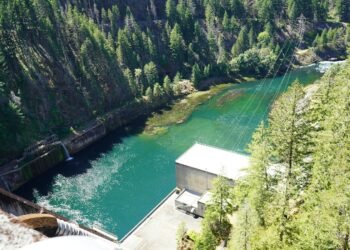
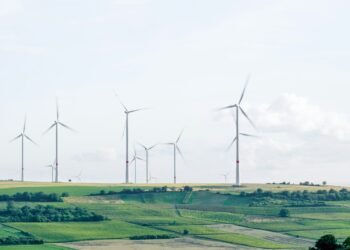
Generation is where power is made, from plants, wind farms and solar fields. Transmission uses high voltage lines to move it long distances. Distribution brings it down in voltage and delivers it to homes and businesses.
Why balance matters
If supply and demand drift apart, the frequency of the grid shifts. Operators adjust plants and use reserves to keep it steady. Growing wind and solar make this more complex because their output changes with weather.
Why new demand is a big topic
Factories, electric heating and data centers are all adding load. New lines and power plants take years to approve and build, so connection delays are now common.
What can help
Better planning, more transmission, storage, flexible demand and more efficient equipment all help. The U.S. Department of Energy publishes grid reliability research.
What business leaders should do
Ask your utility about connection timelines early, and plan for efficient use. For related reading, see our grid and power coverage.
Get the Eco Business News newsletter. Free.
Plain news on eco, business and data centers. No spam.