







• Advertise
  • Contact
Wednesday, February 11, 2026
  • Login
EcoBusinessNews
  • Home
  • About
  • News
    Modern library with expansive bookshelves and seating areas.

    Pacifico Energy Receives Largest U.S. Air Pollution Permit for 7.65 GW GW Ranch in West Texas: Implications for Energy, Data Centers, and Emissions

    round gold lights

    Long-Duration Energy Storage Costs Poised to Decline by 2030, New LDES Council–EPRI Study Finds

    EcoBusiness News to Attend Intersolar & Energy Storage North America (IESNA) 2026 in San Diego

    EcoBusiness News to Attend Intersolar & Energy Storage North America (IESNA) 2026 in San Diego

    Pacifico Energy Secures 7.65 GW Power Generation Permit for GW Ranch Project

    Pacifico Energy Secures 7.65 GW Power Generation Permit for GW Ranch Project

    a tall building with power lines

    Data Centers Driving Power Surge in Electricity Demand

    Modern library with expansive bookshelves and seating areas.

    Trump: Data Centers Must “Pay Their Own Way” — Here’s Why Power Bills Still Rise (and How Self-Generated Energy Actually Fixes It)

    Modern library with expansive bookshelves and seating areas.

    EcoBusinessNews Announces Specialized SEO Services for Energy and Engineering Firms – Driving Lead Generation and Business Development in Sustainable Energy

    white wooden door with glass

    Electrifying Investments: Diving into Battery Storage Companies for 2026

    brown wooden hallway with gray metal doors

    New Year, New Energy: Embracing Sustainable Innovations and Opportunities in 2026

  • Impact Investing
  • Eco-Innovators
  • Renewable Energy
  • Partner w/ Us
No Result
View All Result
  • Home
  • About
  • News
    Modern library with expansive bookshelves and seating areas.

    Pacifico Energy Receives Largest U.S. Air Pollution Permit for 7.65 GW GW Ranch in West Texas: Implications for Energy, Data Centers, and Emissions

    round gold lights

    Long-Duration Energy Storage Costs Poised to Decline by 2030, New LDES Council–EPRI Study Finds

    EcoBusiness News to Attend Intersolar & Energy Storage North America (IESNA) 2026 in San Diego

    EcoBusiness News to Attend Intersolar & Energy Storage North America (IESNA) 2026 in San Diego

    Pacifico Energy Secures 7.65 GW Power Generation Permit for GW Ranch Project

    Pacifico Energy Secures 7.65 GW Power Generation Permit for GW Ranch Project

    a tall building with power lines

    Data Centers Driving Power Surge in Electricity Demand

    Modern library with expansive bookshelves and seating areas.

    Trump: Data Centers Must “Pay Their Own Way” — Here’s Why Power Bills Still Rise (and How Self-Generated Energy Actually Fixes It)

    Modern library with expansive bookshelves and seating areas.

    EcoBusinessNews Announces Specialized SEO Services for Energy and Engineering Firms – Driving Lead Generation and Business Development in Sustainable Energy

    white wooden door with glass

    Electrifying Investments: Diving into Battery Storage Companies for 2026

    brown wooden hallway with gray metal doors

    New Year, New Energy: Embracing Sustainable Innovations and Opportunities in 2026

  • Impact Investing
  • Eco-Innovators
  • Renewable Energy
  • Partner w/ Us
EcoBusinessNews
No Result
View All Result
EcoBusinessNews

Powering a Sustainable Future: The Circular Economy of Repurposing Batteries

Eco-Business News by Eco-Business News
September 8, 2025
in News
418 8
0
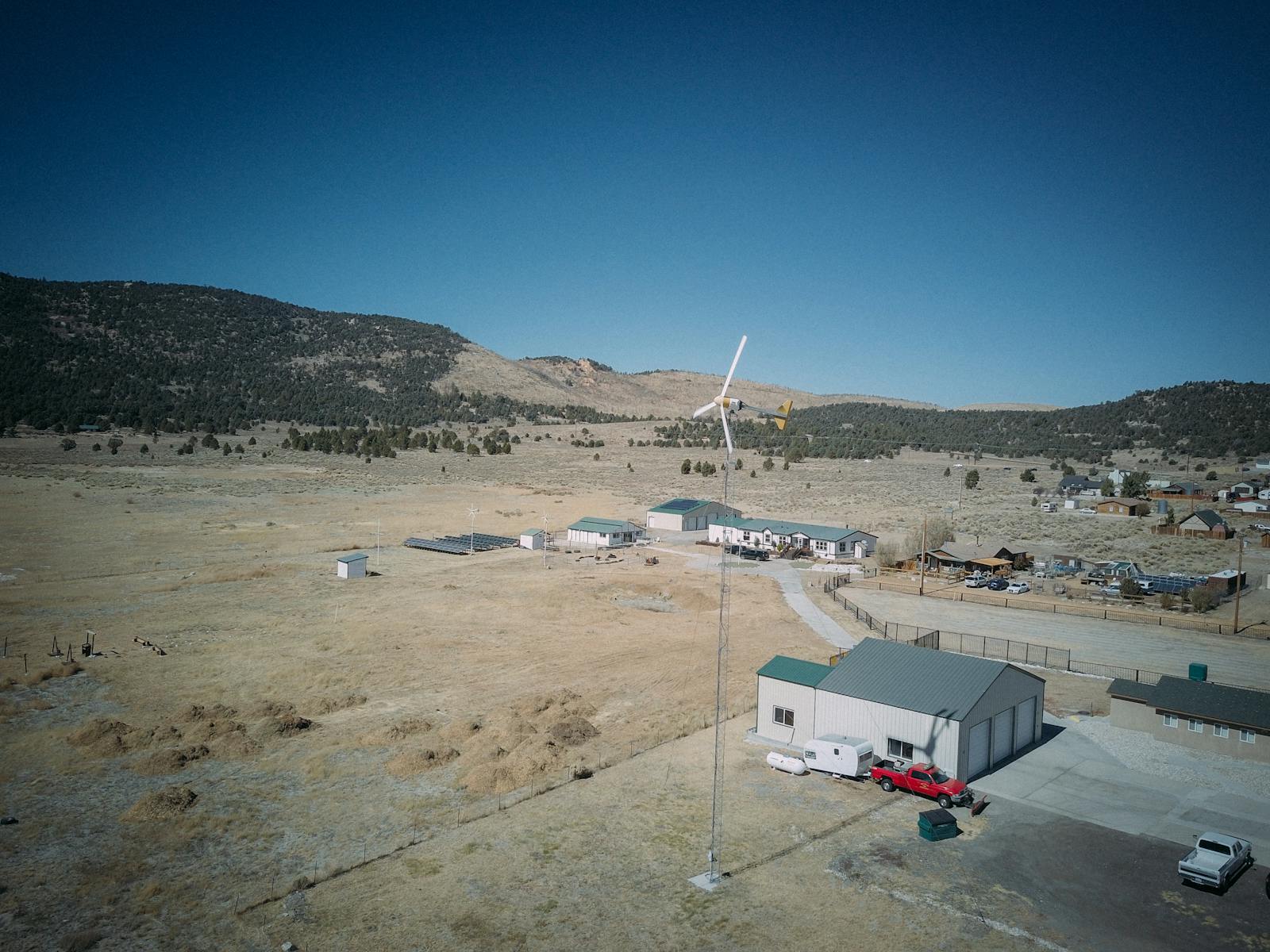
Aerial view capturing a wind turbine in a rural landscape, showcasing sustainable energy.
590
SHARES
3.3k
VIEWS
Summarize with ChatGPTShare to Facebook

The rise of electric vehicles (EVs) and renewable energy systems has thrust lithium-ion batteries into the spotlight, not just as a cornerstone of clean energy but as a challenge for sustainable resource management. As the world races to electrify transportation and decarbonize power grids, the question of what happens to these batteries at the end of their life cycle looms large. Enter the circular economy—a model that reimagines waste as a resource, prioritizing reuse, repurposing, and recycling over disposal. For batteries, this approach is transforming how we think about energy storage, offering a path to reduce environmental harm, conserve critical minerals, and build a more resilient supply chain. This article explores the promise and challenges of repurposing batteries within a circular economy, with insights tailored for readers of EcoBusinessNews.

The Circular Economy: A New Lens for Batteries

Unlike the traditional linear economy, which follows a “take, make, dispose” trajectory, the circular economy seeks to keep materials in use for as long as possible. For batteries, this means designing systems where end-of-life cells are not discarded but instead find new purpose. Repurposing, in particular, involves taking batteries that no longer meet the demands of their original application—say, powering an EV—and deploying them in less intensive roles, such as energy storage for homes or grids. This extends the battery’s life, reduces the need for new raw materials, and cuts down on waste.

The stakes are high. The International Energy Agency projects a 14-fold increase in global battery demand by 2030, driven largely by EVs. Without circular practices, the rush to mine lithium, cobalt, and nickel could strain ecosystems and communities, while discarded batteries risk polluting soil and water with toxic metals. Repurposing offers a way to mitigate these impacts, aligning with global sustainability goals like the UN’s Responsible Consumption and Production (SDG 12). As noted in a 2023 report by the Rocky Mountain Institute, repurposing and recycling can address mineral supply gaps while reducing the environmental toll of mining.

The Second Life of Batteries

When an EV battery drops to about 80% of its original capacity, it’s typically deemed unsuitable for automotive use. But that remaining capacity—often enough to power a home for days—makes these batteries ideal for second-life applications. In Amsterdam’s Johan Cruyff Arena, for instance, repurposed Nissan Leaf batteries store solar energy to power stadium lights and events, proving that used batteries can still deliver significant value. Similarly, companies like Fluence are exploring how utility-scale batteries can be redeployed for grid storage, capturing excess renewable energy during peak production and releasing it when demand spikes.

Repurposing isn’t just about extending battery life; it’s about rethinking value. A 60 kWh EV battery pack, even at reduced capacity, can provide 18 MWh of storage over its second life—enough to power a typical household for over a decade. This approach not only conserves resources but also creates new revenue streams. For example, California-based startup RePurpose Energy is testing systems to repurpose EV batteries for microgrids in rural areas, offering affordable power where traditional grids are unreliable.

Challenges on the Road to Circularity

Despite its promise, repurposing batteries faces hurdles that must be addressed to scale effectively. One major challenge is the variability in battery design. Unlike lead-acid batteries, which follow standardized formats, lithium-ion batteries come in diverse chemistries and configurations, complicating disassembly and repurposing. This lack of uniformity raises costs, as manual processes are often needed to assess and recondition cells.

Economic barriers also loom large. As noted in a 2024 ScienceDirect study, new batteries are sometimes cheaper than repurposed ones due to economies of scale and falling production costs. This price competition can discourage investment in second-life applications, especially in regions without strong regulatory incentives. Transportation poses another issue: moving used batteries to recycling or repurposing facilities is costly and risky, particularly if they’re damaged or lack proper handling protocols.

Policy gaps further complicate the picture. In the US, for instance, there’s no federal mandate for battery recycling or repurposing, leaving a patchwork of state regulations that can confuse stakeholders. The European Union, by contrast, has taken a bolder stance with its 2023 Batteries Regulation, which sets strict targets for recycling efficiency and encourages second-life use. Without similar frameworks elsewhere, the circular economy for batteries risks stalling.

Innovations Driving Change

Despite these challenges, innovation is paving the way for a more circular battery ecosystem. Companies like Li-Cycle are pioneering hydrometallurgical processes to recover over 95% of critical minerals from used batteries, creating a closed-loop supply chain. Their “spoke and hub” model—where local facilities preprocess batteries into a stable “black mass” before sending it to centralized hubs for refining—reduces transport risks and boosts efficiency. Meanwhile, startups like Aceleron are designing batteries with circularity in mind, using modular structures that are easier to disassemble and repurpose.

Blockchain technology is also emerging as a game-changer. By enabling transparent tracking of battery materials from production to end-of-life, blockchain can improve traceability and ensure ethical sourcing, as explored in a 2024 case study on EV supply chains. This transparency is crucial for building trust among consumers and regulators, particularly as concerns grow about labor practices in mineral extraction.

Public-private partnerships are another bright spot. The European Battery Alliance, for example, unites over 120 stakeholders to advance circular practices, from battery design to recycling. In the US, the Department of Energy’s ReCell Center is researching ways to make repurposing and recycling more cost-effective, with early results showing up to 90% reductions in greenhouse gas emissions compared to traditional mining.

Key Players in Battery Repurposing

A few standout organizations are leading the charge in battery repurposing, offering models for others to follow:

  • Redwood Materials: Based in Nevada, this company is building a closed-loop system to recycle and repurpose EV batteries, aiming to produce materials for 1.3 million EVs annually by 2028.
  • Veolia and Solvay: This European partnership operates a recycling plant in France that extracts metals like cobalt and nickel for reuse in new batteries, showcasing the power of collaboration.
  • RePurpose Energy: A California startup focused on repurposing EV batteries for microgrids and energy storage, particularly in underserved communities.

These efforts highlight the potential for repurposing to create jobs, stabilize supply chains, and support a just transition to clean energy.

The Path Forward

To fully realize the circular economy for batteries, stakeholders must act on multiple fronts. Policymakers should prioritize clear regulations, like the EU’s, that mandate recycling and incentivize repurposing through tax breaks or subsidies. Industry leaders need to invest in standardized battery designs and automated disassembly processes to lower costs. And consumers can play a role by supporting brands that prioritize sustainability, as highlighted in resources like PositivePhil, which celebrates businesses driving positive change.

The circular economy isn’t just a buzzword—it’s a blueprint for a world where resources are valued, not wasted. By repurposing batteries, we can power a cleaner future while easing the strain on our planet’s finite resources. For more on sustainable innovations, visit EcoBusinessNews and stay inspired with stories of impact at PositivePhil.

SummarizeShare236
Eco-Business News

Eco-Business News

Alan Ash is a sustainability strategist and contributor to EcoBusinessNews, focusing on the intersection of environmental policy, corporate responsibility, and green innovation. With a background in business development and a passion for climate resilience, Alan provides insights into how organizations can align profitability with environmental stewardship.

Related Stories

Modern library with expansive bookshelves and seating areas.

Pacifico Energy Receives Largest U.S. Air Pollution Permit for 7.65 GW GW Ranch in West Texas: Implications for Energy, Data Centers, and Emissions

by Eco Business News
February 9, 2026
0

In a significant development for the energy sector, Pacifico Energy, a global investor-owned infrastructure firm, has secured what is described as the largest air pollution permit ever issued...

round gold lights

Long-Duration Energy Storage Costs Poised to Decline by 2030, New LDES Council–EPRI Study Finds

by Eco Business News
February 4, 2026
0

A new flagship study by the Long Duration Energy Storage (LDES) Council, conducted in collaboration with the Electric Power Research Institute (EPRI), provides the most comprehensive assessment to...

EcoBusiness News to Attend Intersolar & Energy Storage North America (IESNA) 2026 in San Diego

EcoBusiness News to Attend Intersolar & Energy Storage North America (IESNA) 2026 in San Diego

by Eco Business News
February 3, 2026
0

EcoBusiness News will attend Intersolar & Energy Storage North America (IESNA) 2026, taking place February 18–20, 2026 in San Diego, California. IESNA is one of North America’s leading...

Pacifico Energy Secures 7.65 GW Power Generation Permit for GW Ranch Project

Pacifico Energy Secures 7.65 GW Power Generation Permit for GW Ranch Project

by Eco Business News
January 26, 2026
0

Pacifico Energy says it has cleared a major regulatory hurdle for GW Ranch, its private-grid power generation campus in Pecos County, West Texas—built specifically to serve hyperscale data...

📬 Sign up Now

...for exclusive insights from EcoBusinessNews.com — it's free.

Thank you!

You have successfully joined our subscriber list.

Recommended

2025 AI Film Festival Raises Questions on Creativity and Ethics

September 4, 2025
round gold lights

Long-Duration Energy Storage Costs Poised to Decline by 2030, New LDES Council–EPRI Study Finds

February 4, 2026

Eco Buzz

  • people raising hands with bokeh lights

    Alternative Energy Conferences 2025–2026: Driving the Clean Tech Future

    626 shares
    Share 250 Tweet 157
  • NeoVolta’s $13M Bet: Building a 2 GWh U.S. Battery Hub in Georgia for the AI-Powered Grid

    625 shares
    Share 250 Tweet 156
  • Fortescue Metals Group: Pioneering Sustainable Mining and the Future of Clean Energy in Mining Operations

    606 shares
    Share 242 Tweet 152
  • Corpus Christi’s Development Pivot: How CCREDC Is Building Growth with Balance

    604 shares
    Share 242 Tweet 151
  • What Is Green Living?

    604 shares
    Share 242 Tweet 151

Stay in the loop

Weekly brief on climate & clean commerce.

Thanks — check your inbox to confirm.

No spam. Unsubscribe anytime.

eco business news

Eco Business News: Sustainable. Profitable. Now – Where Profit Powers Planet, Driving the Green Economy with Earth-Smart Business Insights

Your daily surge of cutting-edge sustainable innovation, booming green markets, breakthrough climate tech, and pivotal ESG trends—delivered with razor-sharp clarity and unstoppable impact.

Recent Posts

Modern library with expansive bookshelves and seating areas.

EcoBusinessNews Announces Specialized SEO Services for Energy and Engineering Firms – Driving Lead Generation and Business Development in Sustainable Energy

January 12, 2026
white wooden door with glass

Electrifying Investments: Diving into Battery Storage Companies for 2026

January 8, 2026

Stay in Touch

Stay in the loop

Weekly brief on climate & clean commerce.

Thanks — check your inbox to confirm.

No spam. Unsubscribe anytime.

  • Eco Business News – Latest Green Business Updates
  • Contact
  • Advertise
  • Subscribe
  • Privacy Policy
  • About Us

© 2026 JNews - Premium WordPress news & magazine theme by Jegtheme.

Welcome Back!

Login to your account below

Forgotten Password?

Retrieve your password

Please enter your username or email address to reset your password.

Log In

Add New Playlist

No Result
View All Result
  • Home
  • About Us
  • News
  • Advertise
  • Partner
  • Privacy Policy
  • Contact

© 2026 JNews - Premium WordPress news & magazine theme by Jegtheme.