
Anyone asked to specify cooling towers is really specifying a water system, a fan system and a maintenance plan in one section. Towers reject heat from water cooled chillers in data centers, hospitals and large commercial buildings, and they are also one of the biggest water users on the site. This guide covers the choices that matter and the language that keeps a tower reliable and safe.
Types of cooling towers
Open circuit towers expose the condenser water to air, which makes them efficient but means the water needs treatment. Closed circuit towers, also called fluid coolers, keep process water in a coil and spray a separate loop over the outside. They cost more and take more space but protect the main loop from contamination. Hybrid towers add dry sections that cut plume and water use in cooler weather. Counterflow and crossflow designs differ in footprint, fan power and ease of access, so state the preferred arrangement or let the engineer evaluate alternates.
Materials and construction
Common structural materials are galvanized steel, stainless steel and fiberglass reinforced plastic. Coastal sites and aggressive water call for stainless or coatings. Fill material affects heat transfer and fouling, so ask for fill that suits the water quality, especially when using reclaimed water. Specify basin heaters and freeze protection in cold regions, and require access platforms, ladders and safe maintenance clearances.
Capacity, redundancy and controls
Rate the tower at a stated wet bulb temperature, flow rate and approach. Many owners pick a wet bulb from a long record to avoid a design that fails on the hottest humid day. State the number of cells, how many must carry the load when one is out of service, and how isolation valves and equalizing lines allow a cell to be drained for repair. Variable speed fan drives reduce energy, noise and drift at part load. Controls should coordinate fans, bypass valves and chiller staging with the building automation system.
Water treatment and safety
Treatment programs control scale, corrosion and biological growth. They typically include automated chemical feed, conductivity based blowdown, biocide dosing, filtration and monitoring. Hospitals and data centers should follow a written water management plan that addresses Legionella, in line with ASHRAE Standard 188 and related guidance from public health agencies. Require drift eliminators, sample ports, and a plan for startup disinfection and seasonal shutdown. Good treatment is not an extra. It protects the equipment and the people near the tower.
Makeup water and eco options
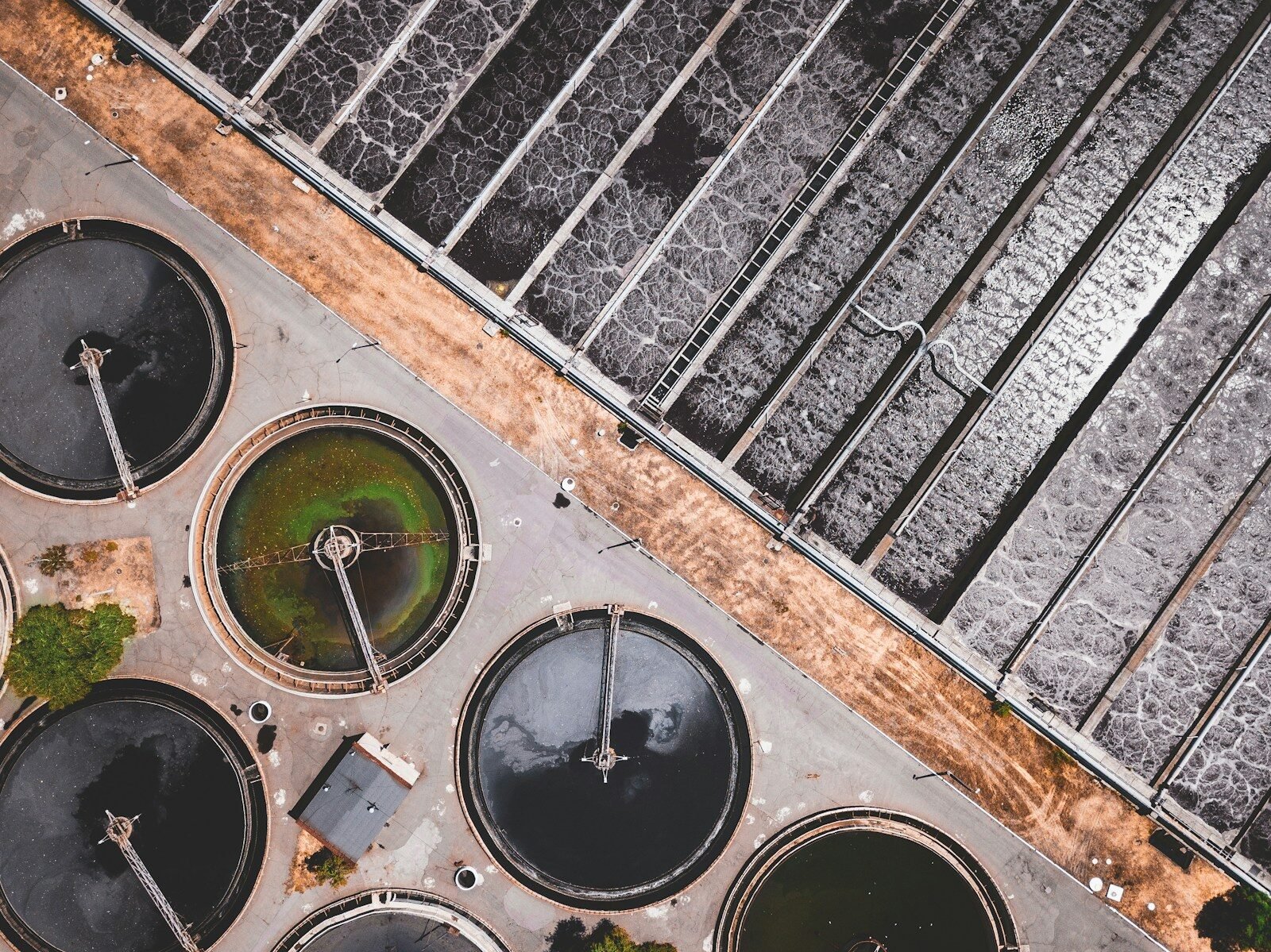
Makeup water covers evaporation, drift and blowdown. A large tower can use many thousands of gallons per day, so owners increasingly use reclaimed water, harvested rainwater or treated wastewater. These sources need compatible materials and tighter treatment. Concentrating the water more before blowdown saves water but increases scaling risk, so state the target cycles of concentration and require monitoring. Hybrid towers, dry coolers for cold months and variable speed fans reduce both water and energy. Our post on reclaimed water cooling shows how one operator approaches it.
What to include in the section
List acceptable manufacturers, thermal performance certification under CTI, structural and seismic criteria, wind load, sound limits, drift rate, and electrical characteristics. Require submittals with certified performance curves, drawings, materials of construction and a treatment plan. Include startup, testing, a warranty and training for operators. Coordinate the basin, strainers, isolation valves and makeup piping with the plumbing and piping sections.
Common mistakes to avoid
The most common problems with towers are not exotic. Cells that cannot be isolated, so a repair needs a full shutdown. Equalizing lines that were left off the drawings. Basin water levels that swing because makeup valves were never tuned. Sensors placed where air recirculates, which makes the controls chase the wrong temperature. Nearby air intakes that pull in plume or drift. Tower fill that clogs within two years because the water source was never tested. Each of these can be prevented with a clear sentence in the specification and a field check during commissioning. Ask for a water analysis before design, require a maintenance plan with the submittal, and walk the roof with the operator before turnover.
Maintenance access and long term cost
Towers sit outside and live hard lives. Good access to fans, gearboxes, motors, fill and basins reduces the labor cost of every inspection. Ask for stainless hardware in wet areas, vibration cutout switches on fans, and sloped basins that drain fully. A small extra cost at purchase can avoid decades of awkward repairs. For critical facilities, confirm that spare motors, fan blades and key parts can be sourced quickly, because an outage during a heat wave is the worst time to wait for a part.
Frequently asked questions
What is a cooling tower approach?
Approach is the difference between the water temperature leaving the tower and the wet bulb temperature of the air. A smaller approach means a larger or more efficient tower.
Can towers use reclaimed water?
Yes, many do. It needs materials and treatment that suit the water quality, and sometimes added filtration.
What standard covers Legionella control?
ASHRAE Standard 188 describes risk management for building water systems, and many hospitals follow it.
Related reading: Building specification directory, Specifying chillers, Reclaimed water cooling. External reference: Cooling Technology Institute.