





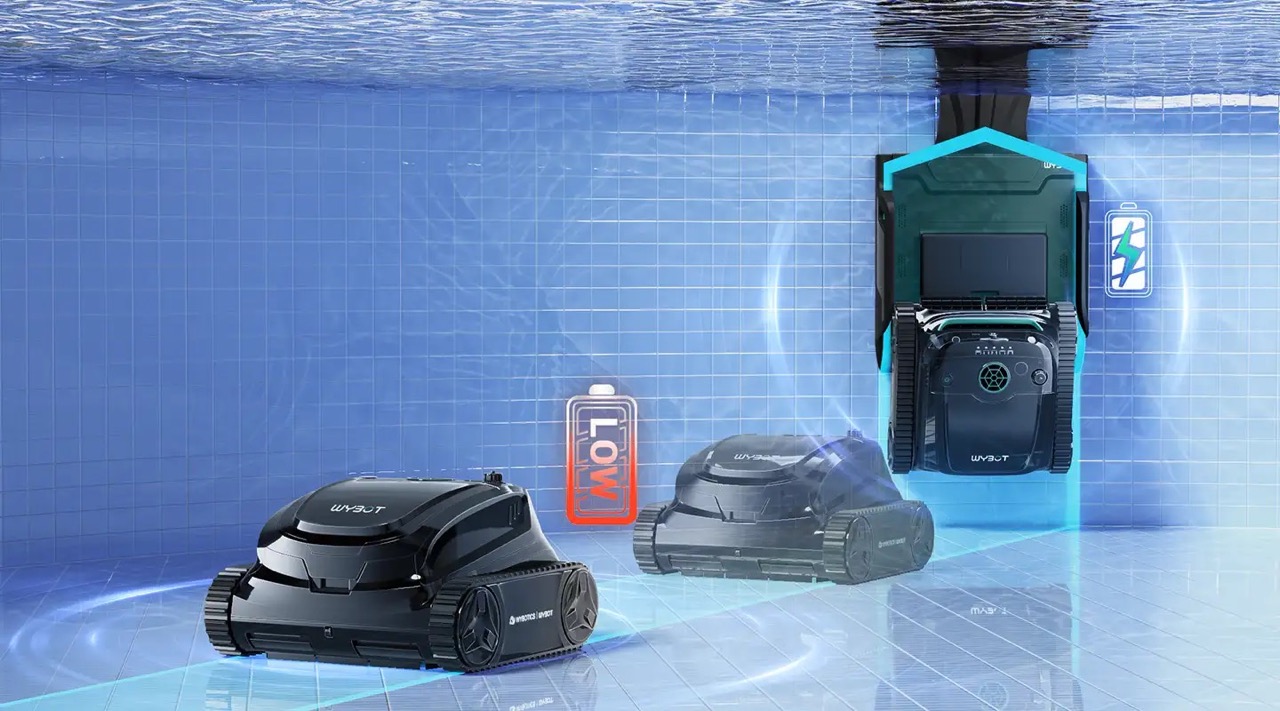
Wybot S2 Solar Vision Cordless Robotic Pool Cleaner
Alt text: Autonomous robots revolutionizing sustainable cleaning in large-scale facilities
Imagine a massive 500,000-square-foot manufacturing plant operating around the clock. Conveyor belts whir, machinery hums, and shipments fly out the door. But amid the hustle, no human cleaners battle grime with chemical-laden mops. Instead, intelligent robots silently patrol, scrubbing floors with precision, conserving water, and minimizing waste—all while the facility stays productive.
This isn’t a green dream—it’s the eco-reality of automated industrial cleaning. For large commercial and industrial companies, it’s not just about spotless spaces; it’s a powerhouse for sustainability, cost efficiency, and operational resilience. As businesses chase net-zero goals and ESG mandates, automated cleaning is emerging as a key ally in reducing environmental footprints while boosting the bottom line.
At EcoBusinessNews.com, we’re diving into why this tech is a game-changer for mega-operators—and spotlighting the verticals where its green impact is most profound.
Why Automated Cleaning is a Sustainability Powerhouse for Big Business
In sectors managing millions of square feet—like global logistics hubs or pharmaceutical giants—traditional cleaning drains resources: water, energy, chemicals, and labor. Automated systems flip that narrative, turning hygiene into an eco-strategic asset. Here’s how:
- Resource Optimization at Scale Robots use AI to dispense exactly the right amount of water and eco-friendly detergents, slashing waste by up to 50%. In one large warehouse deployment, this translated to saving thousands of gallons annually—aligning perfectly with water-scarce regions and corporate sustainability reports.
- Energy Efficiency and Low Emissions Battery-powered bots with smart charging cycles cut energy use compared to gas-guzzling manual equipment. Fleets like those from Tennant, running on renewable-integrated grids, support Scope 3 emission reductions. For companies like Walmart (with over 1,800 units), it’s a direct path to greener operations without sacrificing uptime.
- Waste Reduction and Circular Economy Wins Consistent cleaning prevents buildup, extending facility lifespans and reducing disposal needs. Data from BrainOS-powered systems shows up to 30% less chemical runoff, protecting local ecosystems. It’s not just clean—it’s responsibly clean.
- Labor and Safety Synergies By handling hazardous zones (think oily floors or dust-laden air), robots minimize human exposure, cutting injury-related downtime by 70% in some cases. This frees teams for higher-value tasks, like sustainability audits, fostering a healthier workplace.
- Data-Driven Green Insights IoT integrations provide “floor health” metrics, helping managers predict and prevent waste. In ESG-focused firms, this data feeds into annual reports, proving tangible progress toward UN Sustainable Development Goals.
The result? ROI in months, not years—often with 50% labor savings and enhanced brand reputation in eco-conscious markets.
Verticals Where Automated Cleaning Delivers Massive Eco-Impact
Automated cleaning shines in high-scale industries where dirt equals environmental risk. Here’s where it’s transforming operations with a green edge:
- Warehousing & Logistics: Greening the Supply Chain
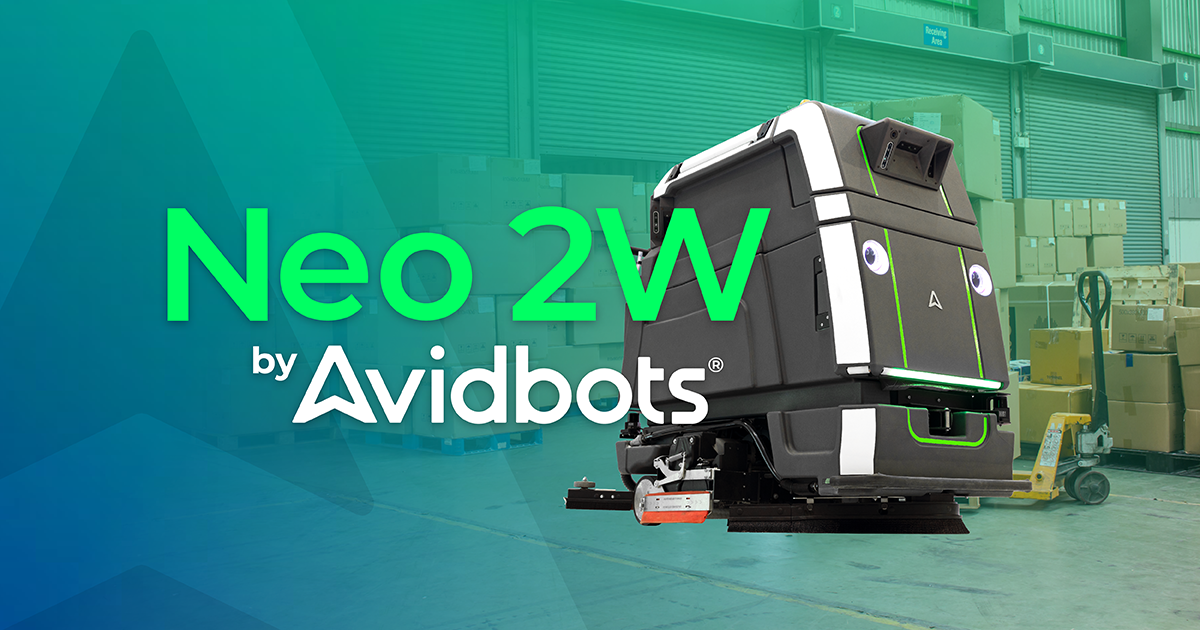
Avidbots’ 1st Floor Scrubbing Robot for Industrial Spaces
Source: avidbots.com Alt text: Eco-friendly autonomous scrubber in high-traffic warehouse
E-commerce behemoths like DHL face constant movement and dust. Autonomous scrubbers clean 100,000+ sq ft per shift without halting ops, using minimal resources. In cold storage facilities, they prevent energy-wasting ice buildup, supporting carbon-neutral goals for 3PL giants.
- Manufacturing Plants: Clean Production, Cleaner Planet
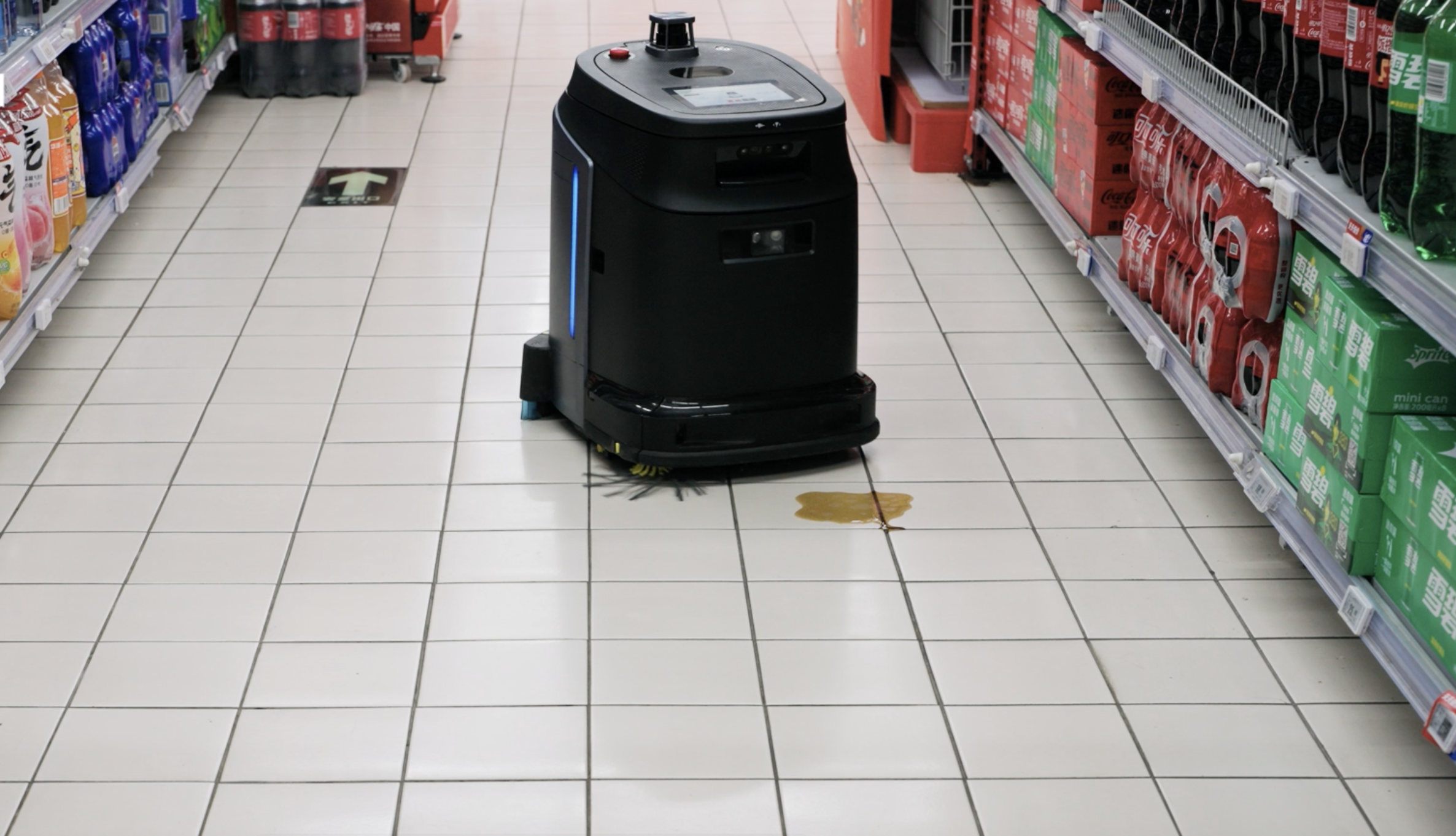
5 Key Features to Look for in a Professional Autonomous Cleaning Robot in 2026 – Gausium
Source: gausium.com Alt text: Sustainable robotic cleaning in manufacturing environment
Oil, shavings, and particulates plague auto and electronics plants. Bots from Kärcher reduce contamination by 50%, minimizing rework and waste. Japanese facilities using these see lower emissions, aligning with circular manufacturing principles.
- Airports & Transportation Hubs: Sustainable Passenger Flows

bengaluru: Kalaari MD Vani Kola bowled over by ‘cute’ AI-driven robots at Bengaluru airport – The Economic Times
Alt text: Autonomous cleaners promoting green hygiene in airports
High-traffic spots like JFK handle millions daily. Flagship deployments across 15 airports scrub 35 million sq ft, conserving water and enabling recycled materials use. It’s a win for traveler health and airport sustainability certifications.
- Healthcare & Pharma: Sterile Spaces, Eco-Compliance
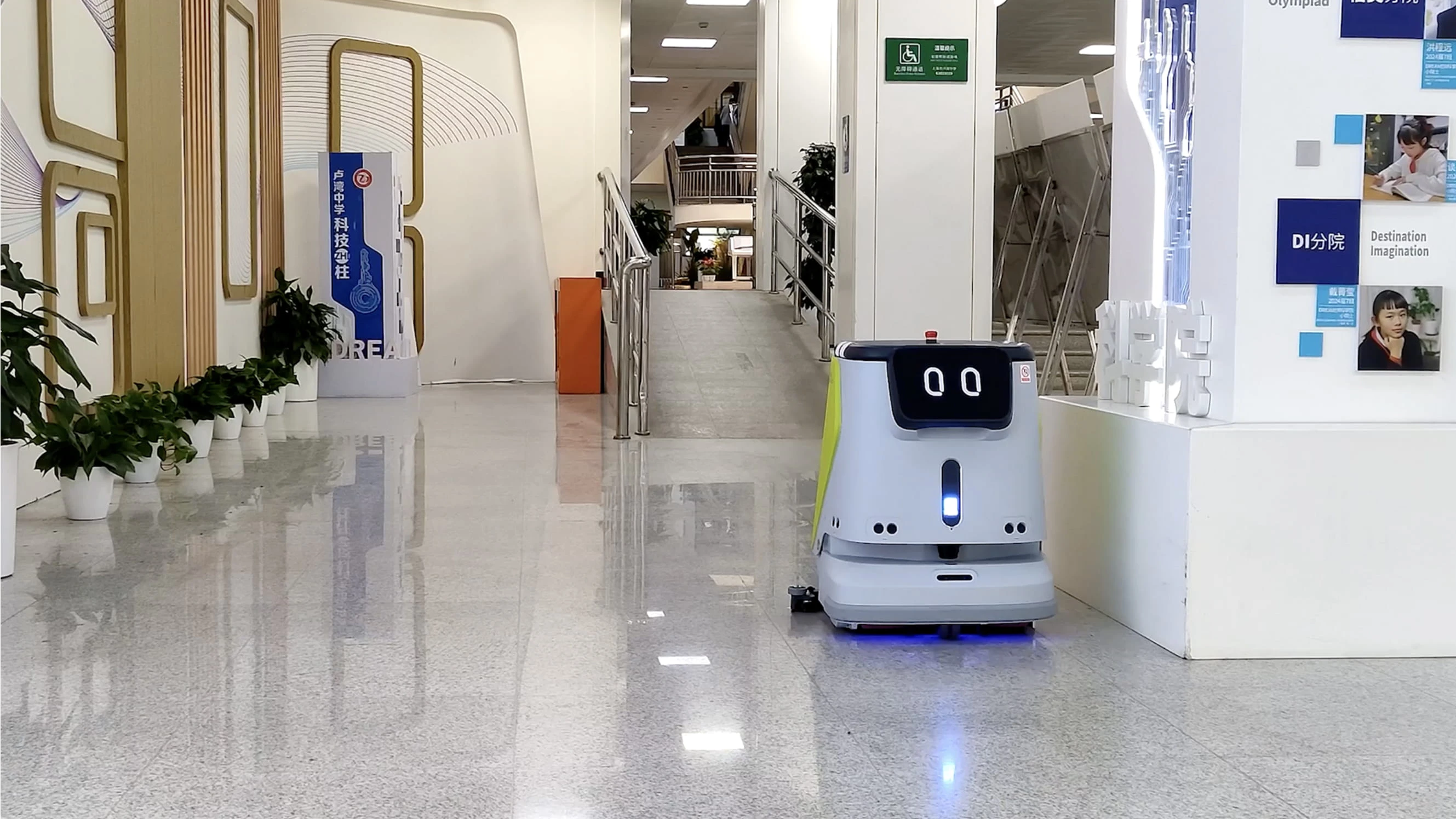
Solution – PUDU
Alt text: Green automated cleaning robot in healthcare setting
Zero-tolerance hygiene meets green mandates here. UV-equipped robots slash infection risks while using 50% less chemicals, crucial for pharma plants avoiding regulatory fines. One site reported 15% fewer waste-related complaints.
Eco-Wildcards: Niche Industries Going Green with Bots
- Data Centers: Dust-free ops prevent server failures, saving energy in hyperscale facilities. LionsBot units avoid static, supporting low-carbon cloud computing.
- Energy & Mining: Rugged bots from Peppermint Robotics clean refineries, reducing hazardous waste in fossil-to-renewable transitions.
- Stadiums & Venues: Post-event cleanups with SoftBank drones use minimal water, readying spaces for eco-events like green concerts.
The Tech Driving the Green Wave (And What’s Ahead)
Pioneers like Avidbots, Tennant (6,500+ bots), and Brain Corp lead with:
- AI for obstacle-avoiding, resource-smart paths.
- Hybrid models that scrub, vacuum, and disinfect sustainably.
- Drone add-ons for hard-to-reach areas, like DragonDrone for tanks.
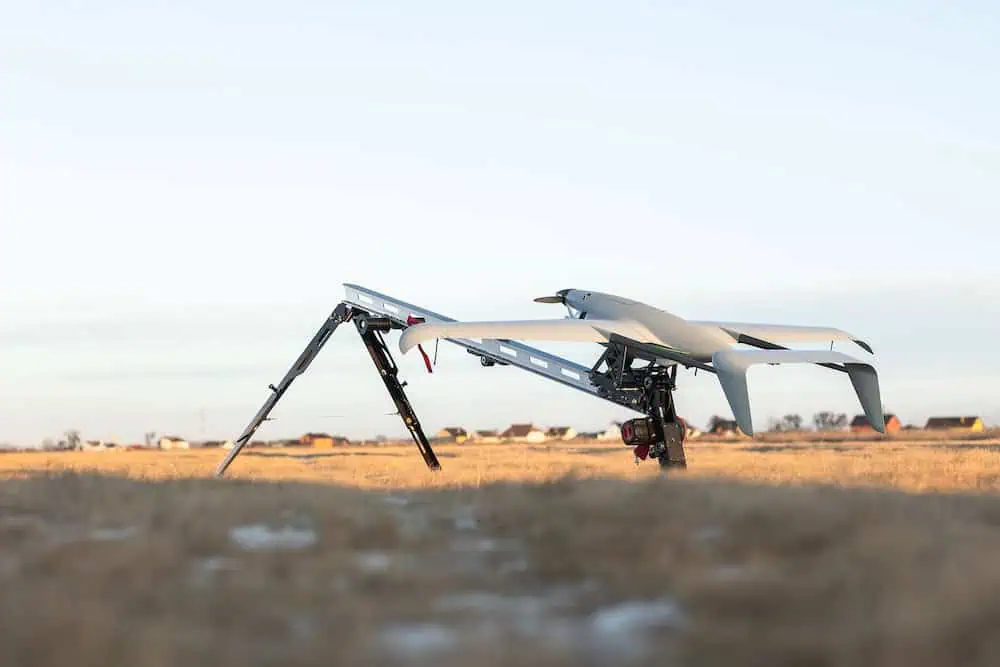
Inspection Drones & Aerial Inspection UAV
Source: dragondron.com Alt text: Sustainable cleaning drone for commercial applications
By 2026-2030? Expect humanoid assistants, full AI autonomy, and market growth to $20B+ for cleaning robots alone. Sustainability + agentic AI? The clean future is here.
Ready to Level Up Your Ops? Automated cleaning isn’t hype—it’s the quiet revolution making industrial giants cleaner, leaner, and unstoppable. Whether you’re running a logistics empire or a pharma powerhouse, the robots are waiting. Who’s deploying next? Drop your thoughts in the comments!