


By Positive Phil
Sometimes the most interesting business ideas come from unexpected places.
For me, one of those moments came from a conversation with my son.
He’s in college and spends time watching the markets, studying companies, and trading stocks and options. One day he said something simple:
“Dad, you should take a look at Cipher.”
So I did.
At first glance, companies like Cipher are often associated with digital assets and computing infrastructure. But when I looked at it from my perspective, something else stood out.
Energy.
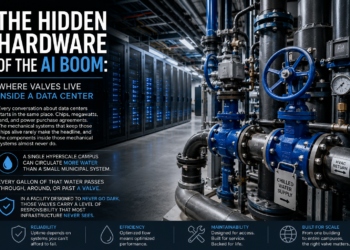
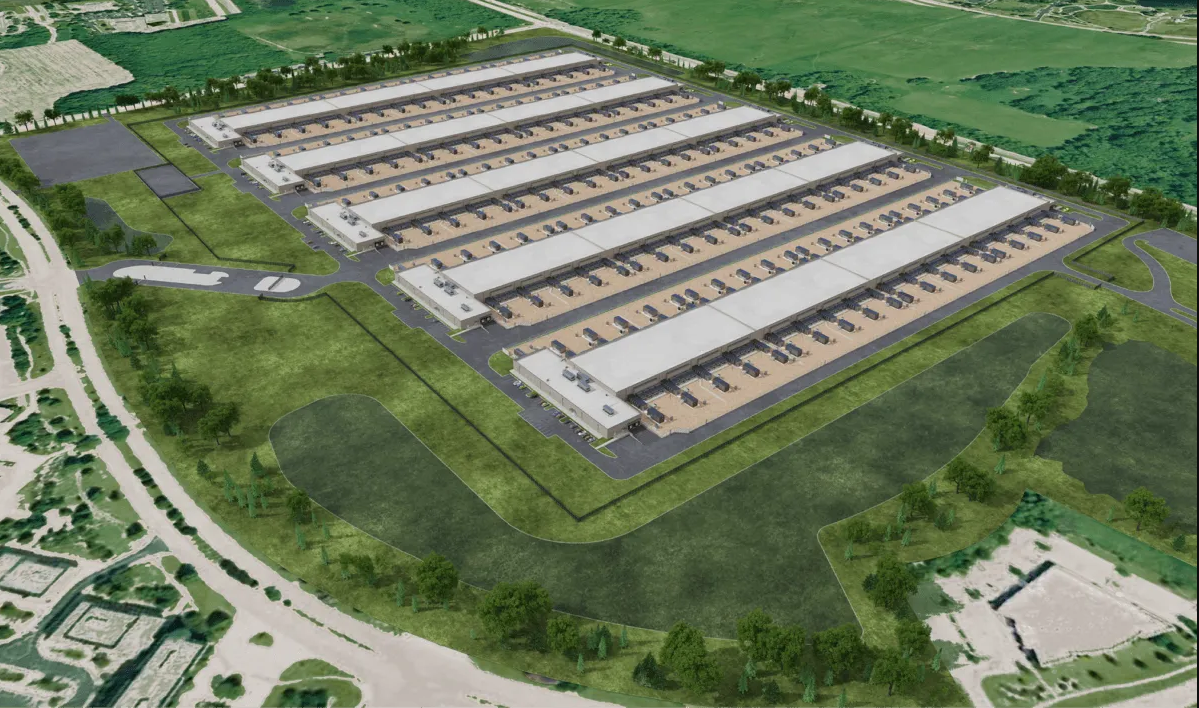
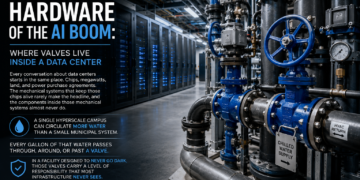
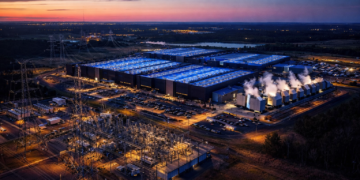
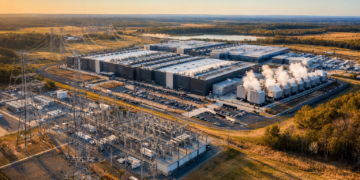
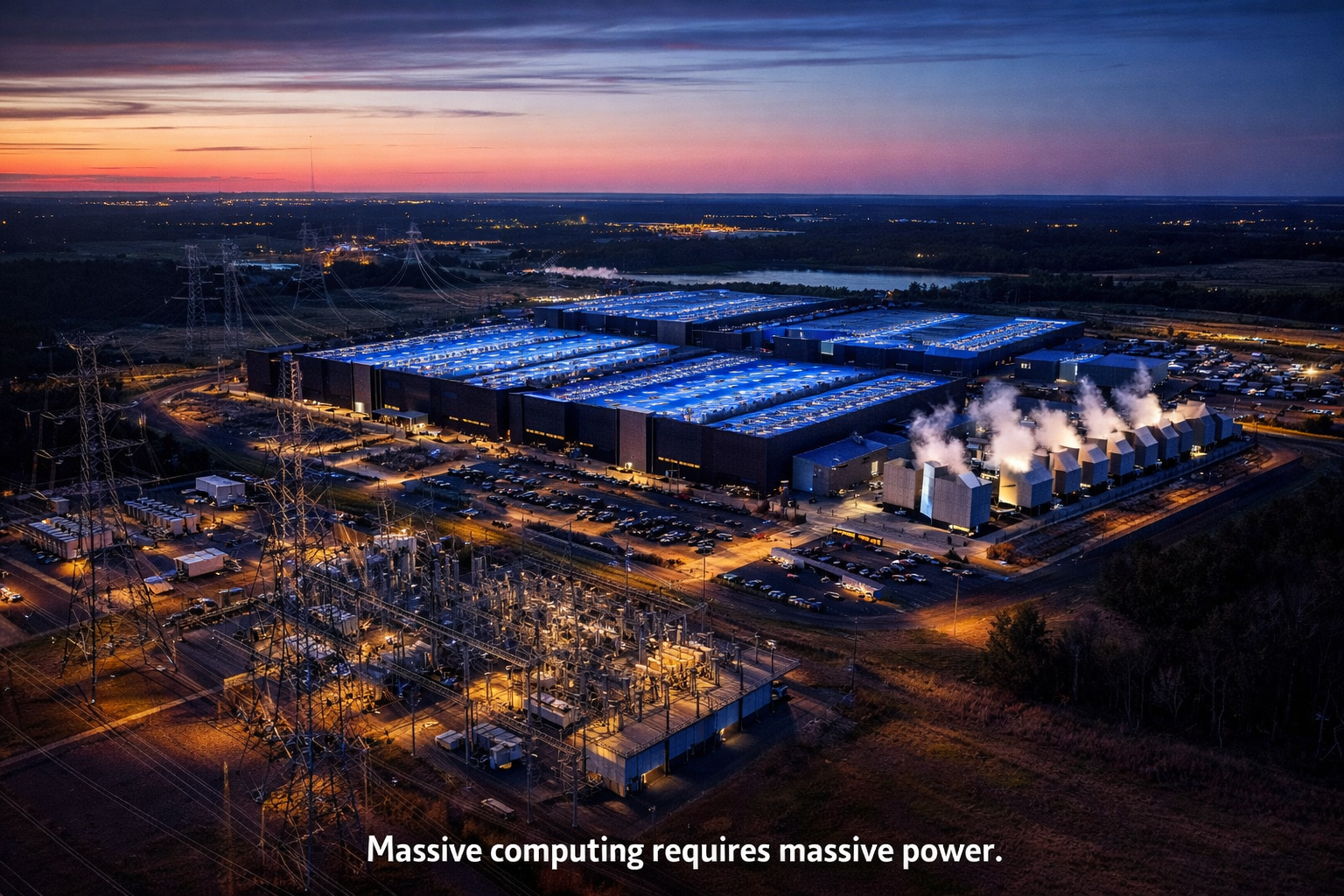
Facilities like the ones being built across the computing sector today require enormous amounts of electricity to operate. Thousands of machines running around the clock. Industrial cooling systems. Massive electrical infrastructure.
These aren’t small server rooms.
They’re industrial-scale operations.
And the power requirements are significant.
In many cases, large computing campuses require hundreds of megawatts of electricity. That’s the kind of demand that changes how people think about site selection, grid access, and long-term energy planning.
Which is why something interesting is happening right now.
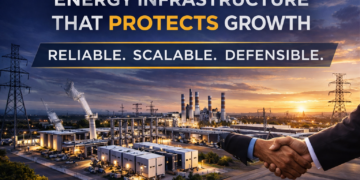
Technology companies are starting to think like infrastructure companies.
They’re looking for locations where power is available.
They’re evaluating grid reliability.
They’re planning facilities that can scale with future computing demand.
Artificial intelligence is only accelerating this shift.
Training large AI models requires enormous computational power, and that means even greater electricity demand moving forward.
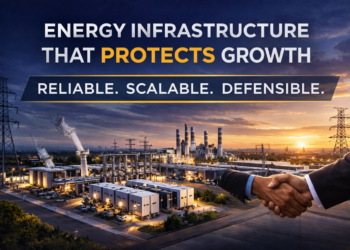
From where I sit, working around energy infrastructure, that intersection between computing and power is one of the most fascinating things happening in the global economy.
It’s a reminder that the digital world doesn’t run on software alone.
It runs on electricity.
And lots of it.
Sometimes it takes a college kid watching the markets to remind you where the future might be heading.
More soon.
— Positive Phil