









This guide covers data center cooling in plain terms. Cooling is where data center design is changing fastest. Traditional rooms were cooled by air moved across racks. As chips get hotter, more of that heat is being pulled out with liquid.
The chilled water backbone for data center cooling
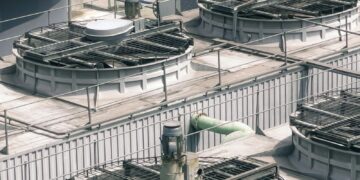
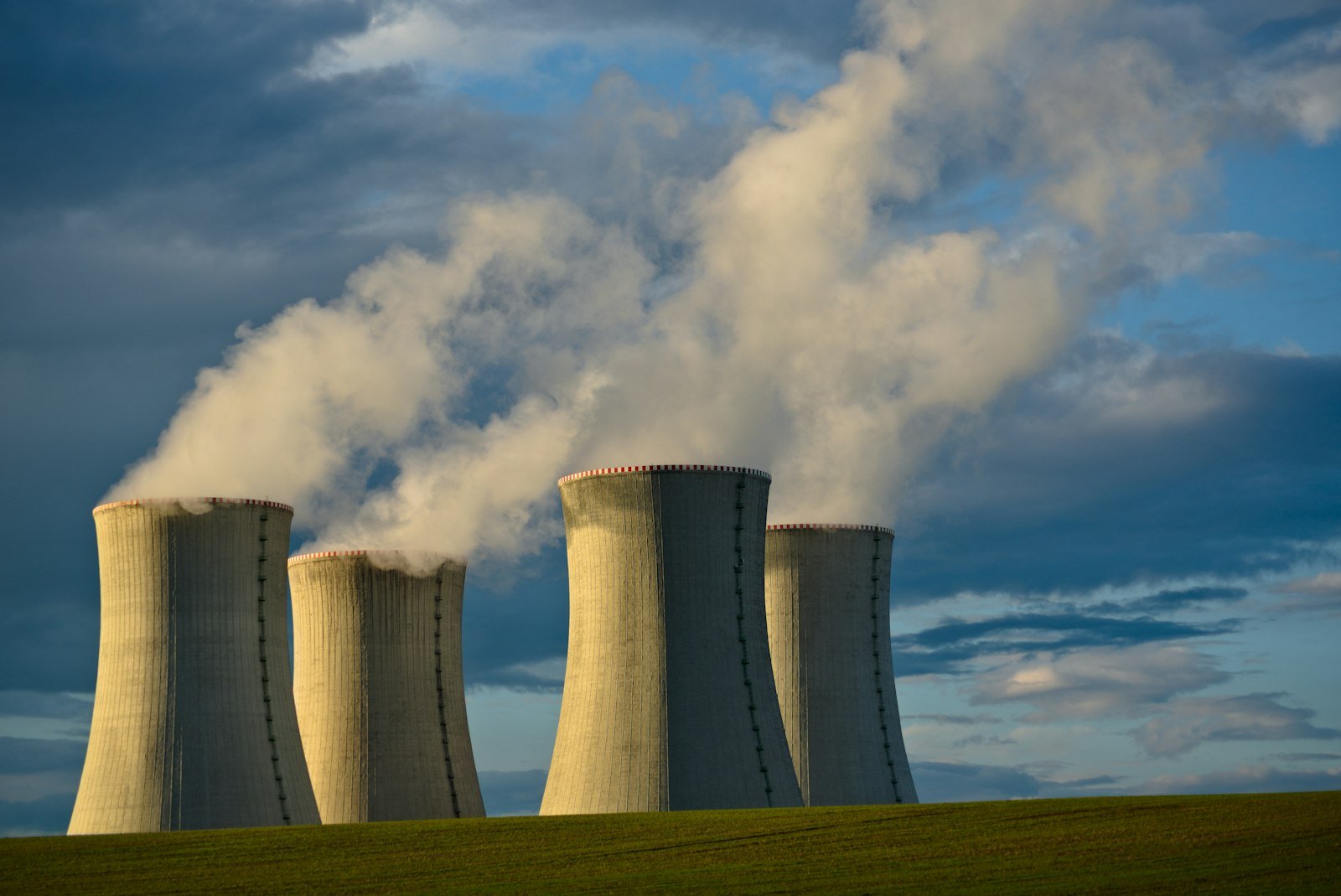
Most large facilities still rely on a chilled water plant. Chillers or cooling towers cool a water loop. Pumps move that water through pipes to the equipment that needs it. Valves, strainers, heat exchangers and controls keep the loop balanced and let maintenance crews isolate sections without a shutdown.
Where liquid cooling comes in
Direct-to-chip systems bring coolant right to the processor using cold plates. A coolant distribution unit, or CDU, sits between the facility water loop and the smaller loop that serves the servers. Immersion systems go further and place servers in a dielectric fluid.
What it means on the job for data center cooling
Pipe sizes, flow rates and water quality all matter more as loads climb. Cleanliness and flushing procedures are strict, because small particles can damage cold plates. Contractors should expect tighter tolerances, more testing and more coordination between mechanical, controls and the equipment vendors.
Looking ahead
Most new AI facilities are expected to combine both approaches: liquid for the hottest chips and air for the rest. The water side of the building is getting bigger, more detailed and more important to the schedule.
Why the choice matters for design for data center cooling
A traditional air-cooled room might handle 5 to 15 kilowatts per rack. Modern AI racks can run far beyond that, and the densest designs are well over 100 kilowatts. Air alone cannot remove that much heat, so designers bring liquid closer to the chip while keeping the chilled water plant as the main heat rejection system.
Components to know
Key pieces include chillers or dry coolers, cooling towers where water is available, pumps, heat exchangers, coolant distribution units, manifolds and the valves and controls that balance flow. Each part has to work with the rest, and a failure in one place should not take down the whole system.
What contractors should plan for
Expect strict cleanliness and flushing procedures, detailed pressure testing and tight coordination with equipment vendors. Water treatment and filtration protect the cold plates. Planning for maintenance, with isolation valves and bypass paths, keeps the facility running when something needs service. Teams that master these details will be well placed as liquid cooling becomes standard.
Related reading on data center cooling
For more, see our guides on what PUE really measures and data center water use. For background from an outside source, visit the ASHRAE.