









This guide covers data center water use in plain terms. Water is becoming one of the most discussed topics in data center planning. The answer to how much a facility uses depends heavily on how it is cooled.
Evaporative cooling for data center water use
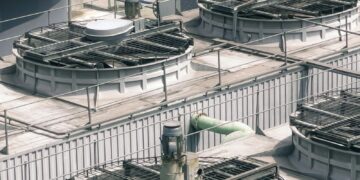
Cooling towers remove heat by evaporating a portion of the water. They are efficient in energy terms, but they consume water, especially in hot weather.
Closed loop and air cooled designs
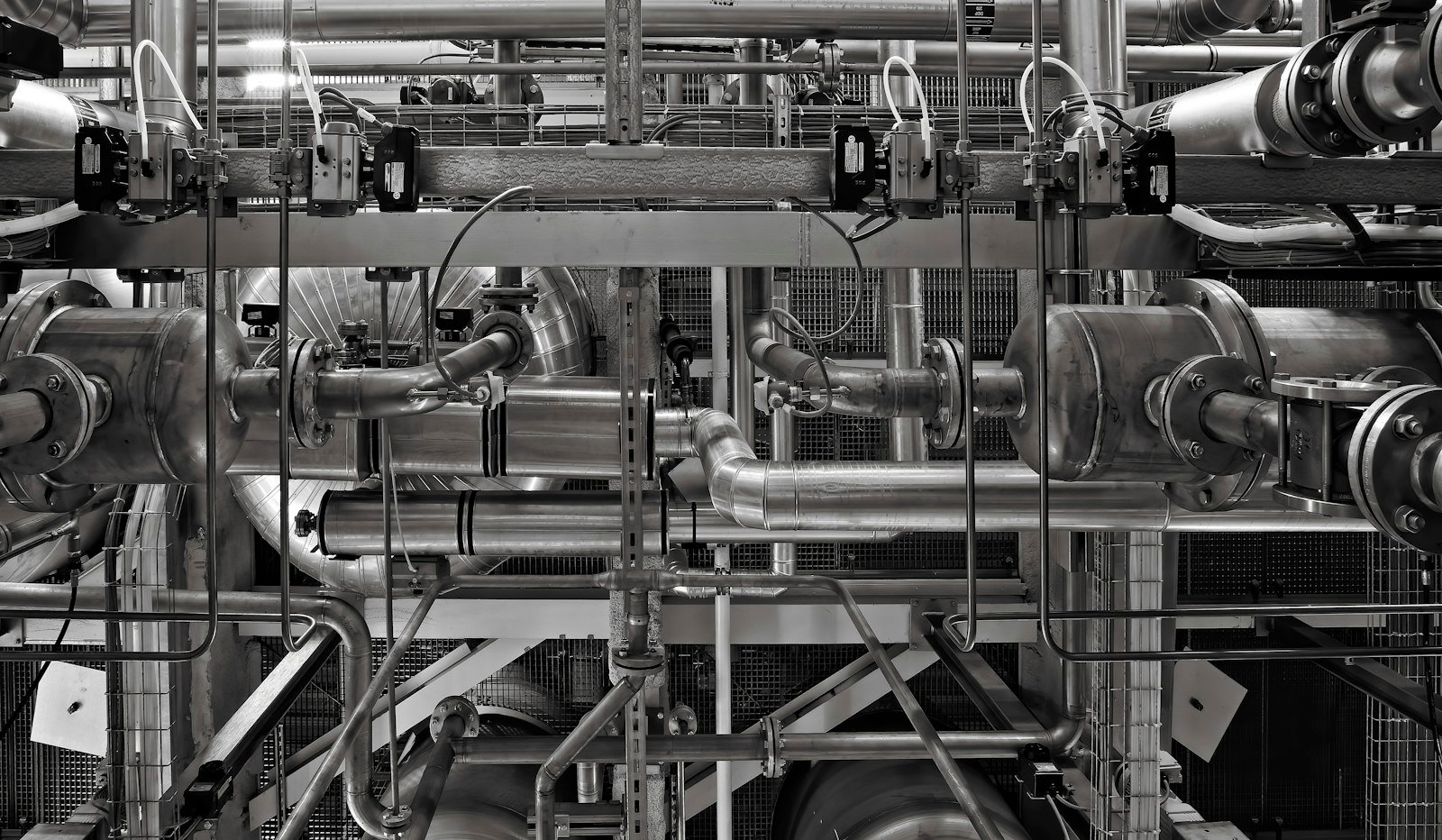
Closed loop systems circulate the same water or coolant again and again. Air cooled chillers reject heat to the outside air and use very little water, though they can use more electricity. Many sites mix these approaches depending on climate and season.
Why communities are asking for data center water use
Large facilities can sit in regions with limited supply. Local officials and residents want to know how much water a project will draw, where it comes from and whether it competes with homes and farms. Developers who answer clearly and early tend to get approvals faster.
What is changing
More owners are publishing water targets and choosing designs that fit local conditions. Reclaimed and recycled water is being used for cooling in some locations. Better monitoring helps operators see how much they are using and where.
The takeaway for data center water use
Water and power are linked. A design that saves one can raise the other. The best projects look at both together and share the numbers with the community.
Measuring water use
Operators often report water usage effectiveness, or WUE, which compares annual water use with the energy used by computing equipment. It helps compare sites, but it must be read alongside local conditions. A modest number can still matter a lot in a dry region.
Design choices that reduce water
Options include air-cooled chillers, hybrid cooling that uses water only on the hottest days, higher water temperatures, recycled or reclaimed water and better treatment to reduce blowdown. Each has trade-offs in cost, energy and space.
Talking with the community
Share expected volumes, sources and drought plans before the permit hearing. Offer to fund water infrastructure when it makes sense. Regular reporting builds trust. Projects that treat water as a shared resource move through approvals more smoothly and keep their neighbors on their side.
Related reading on data center water use
For more, see our guides on chilled water versus direct to chip cooling and heat reuse. For background from an outside source, visit the U.S. Environmental Protection Agency.