
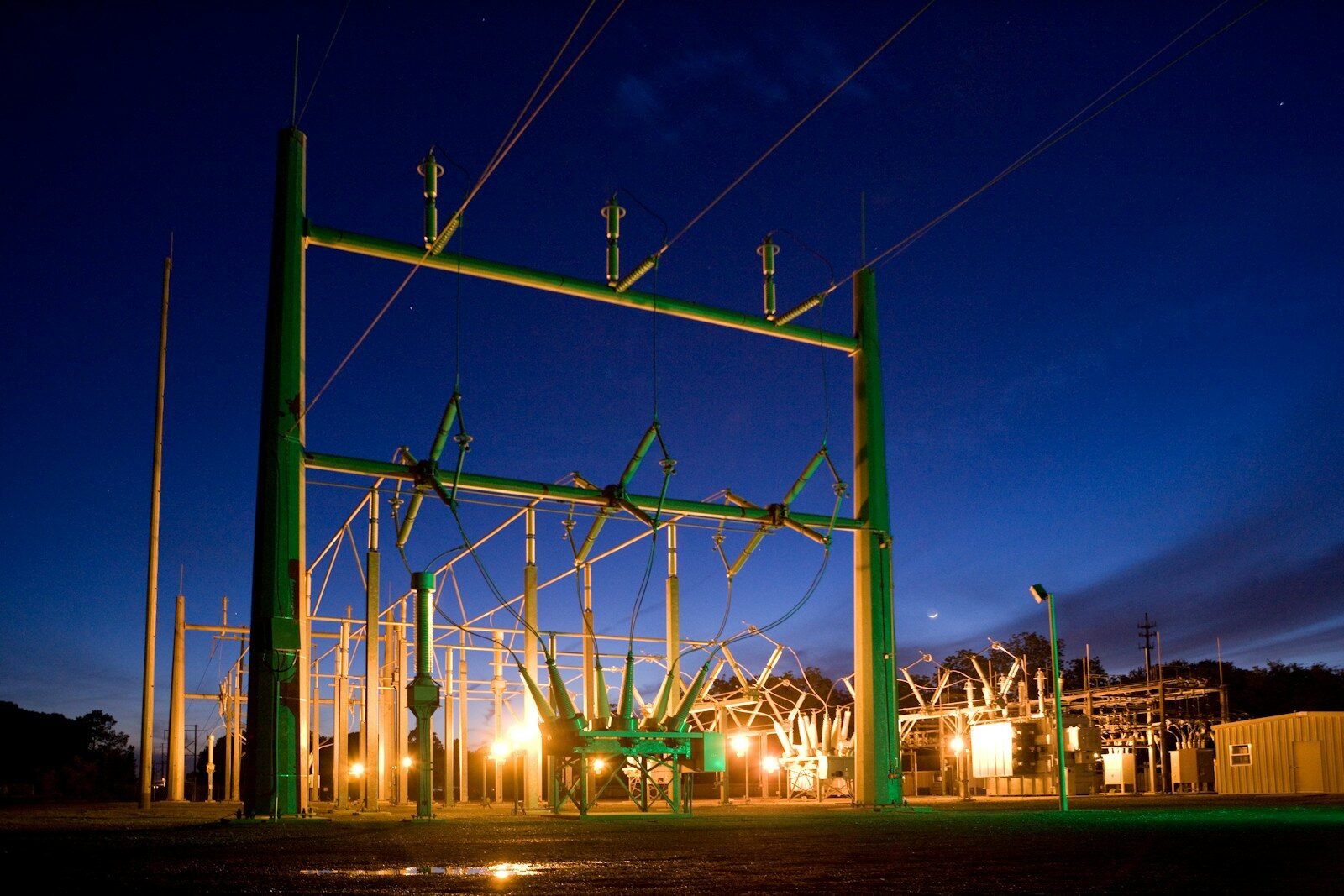
Most people see a data center as a big box full of servers. Engineers see something else: a stack of systems, each with its own spec section, its own approved manufacturers and its own ways to fail. If you are an owner, a contractor or a supplier, knowing the full list is the first step to getting your product, or your project, right.
Here is what gets specified in a modern data center, grouped the way a specification book is built.
Electrical power
- Utility service, medium voltage switchgear and main transformers
- Low voltage switchgear, switchboards and panelboards
- Standby generators, day tanks and fuel storage
- Uninterruptible power supplies and battery systems
- Automatic transfer switches and static transfer switches
- Power distribution units, remote power panels and busway
- Grounding, lightning protection and surge protection
- Electrical power monitoring systems
Mechanical cooling
- Chillers, cooling towers, dry coolers and adiabatic coolers
- Computer room air handlers, fan walls and in-row cooling
- Coolant distribution units for liquid cooling, rear door heat exchangers and direct to chip loops
- Chilled water, condenser water and glycol pumps
- Heat exchangers and thermal energy storage tanks
- Piping, fittings, flanges and hangers
- Valves: butterfly, ball, gate, check, balancing, control and relief valves
- Strainers, air separators, expansion tanks and chemical treatment
- Insulation and vapor barriers
Airflow
- Raised floor, hot aisle and cold aisle containment
- Blanking panels, floor grilles and perforated tiles
- Outside air systems, filters and exhaust
Plumbing and water
- Domestic water, backflow prevention and water meters
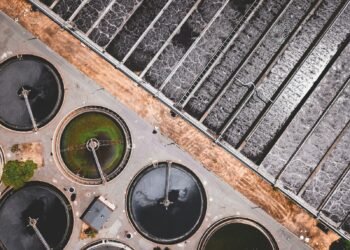
- Makeup water for cooling towers, storage tanks and treatment
- Sanitary and storm drainage, floor drains and leak detection
Fire and life safety
- Pre-action sprinklers, clean agent suppression and very early smoke detection
- Fire alarm, emergency lighting and egress
- Fire pumps and tanks where required
Controls and monitoring
- Building management systems, sensors, actuators and variable frequency drives
- Data center infrastructure management software
- Security, access control, cameras and cabling
Building and site
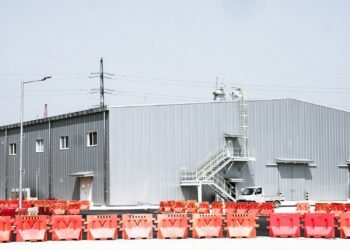
- Structure, roofing and the building envelope
- Pads for generators and cooling equipment, screen walls and noise control
- Fencing, roads, stormwater and landscaping
Commissioning
Every item above gets tested. Commissioning runs from factory witness tests through integrated systems testing under full load. Most late surprises, from a valve that does not seat to a controls sequence that fails, are found here, which is why it pays to ask about them in the spec instead of in the field.
Why the list matters
Specs decide who is allowed to bid. A product that is not named, or is not on the owner’s approved manufacturer list, rarely gets a seat at the table. That is true for a pump, a valve or a pipe hanger. Engineers, owners and suppliers who understand the whole list can plan earlier, ask better questions and avoid the rush that follows a late change.
Planning a project or writing a spec? See our other guides on switchgear and power distribution, raised floor and airflow management and heat exchangers and thermal storage.