
Electrical engineers who specify switchgear are deciding how power is carried, protected and isolated through a critical facility. A well written section lowers risk, keeps outages short and makes maintenance safe. This guide covers the main ratings, safety items and efficiency choices.
Medium and low voltage gear
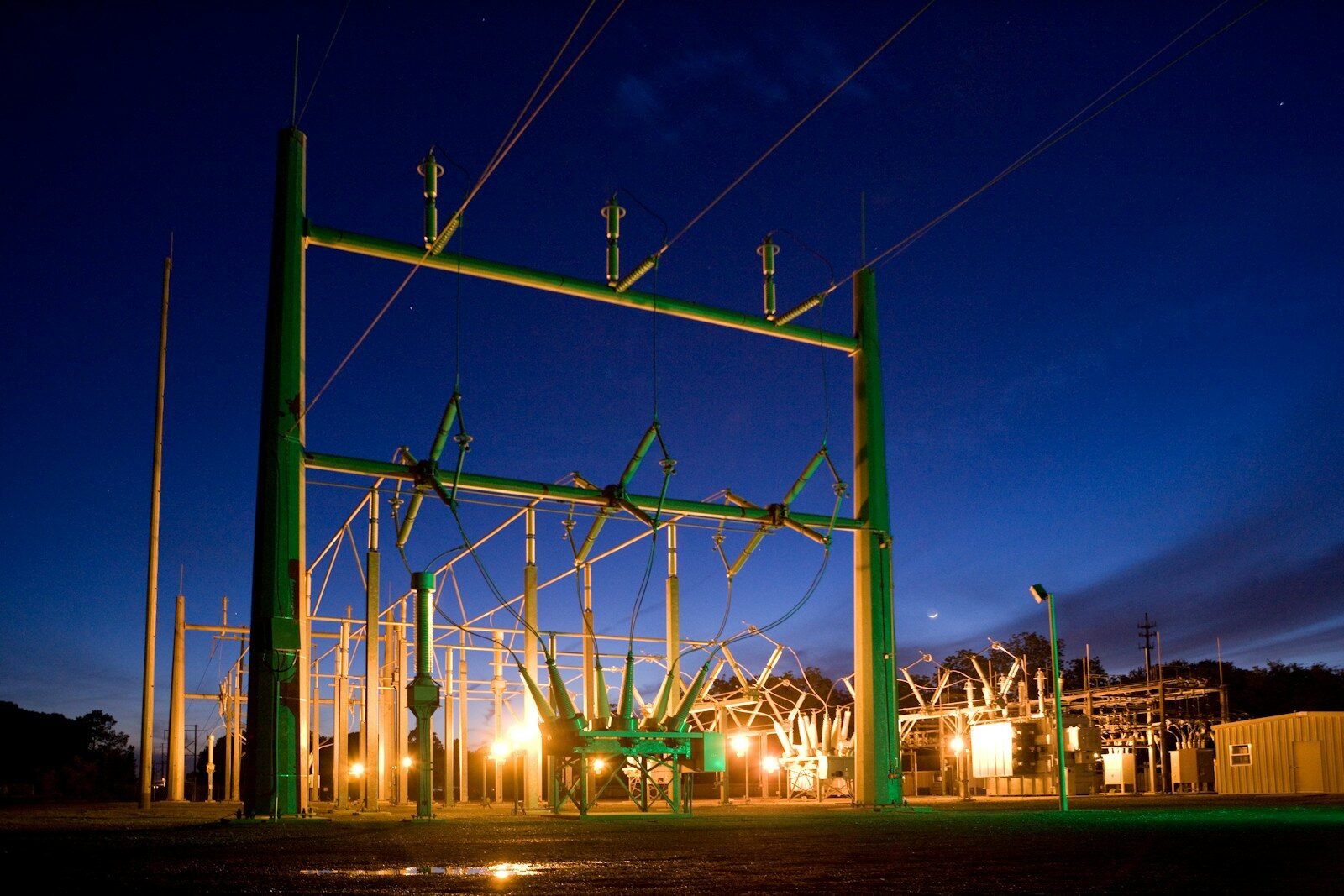
Medium voltage switchgear receives utility power and feeds transformers. Low voltage switchgear and switchboards distribute to panels, UPS systems and mechanical loads. Specify voltage, continuous current, short circuit withstand rating, bus material, enclosure type and breaker type. Draw out breakers allow maintenance without long outages, and many critical facilities require them.
Redundancy and topology
Common arrangements include main tie main, double ended lineups with automatic transfer, and isolated redundant or catcher systems. State the redundancy level and how the gear supports concurrent maintenance. Provide bypass and isolation points so any component can be serviced while the load stays powered. Coordinate with the generator and UPS sections so transfers behave as designed.
Protection and arc flash
Protection settings control how fast a fault is cleared. Faster clearing lowers arc flash energy and damage. Require a short circuit, coordination and arc flash study from the manufacturer or engineer, with labels on equipment. Features such as maintenance mode settings, arc flash relays, remote racking and remote operation keep workers out of the blast zone.
Monitoring and metering
Metering at the main, feeders and critical branches gives data on load, power quality and energy. Specify revenue grade meters where required, communication protocols and integration with the power monitoring and building automation systems. This data feeds efficiency metrics such as power usage effectiveness.
Eco and efficiency choices
Switchgear itself has small losses, but design decisions around it matter. Higher distribution voltage reduces losses. Right sized transformers with low loss cores cut energy waste. Sulfur hexafluoride is a potent greenhouse gas used as an insulator in some medium voltage gear, and alternatives such as vacuum and clean air insulation are now available. Ask for these options and for end of life gas handling plans.
A short checklist for specifiers
- Name the scope: which systems, sizes and service conditions the section covers.
- State the standards the product must meet and the tests required before shipment.
- List acceptable manufacturers and a basis of design, and say how substitutions are reviewed.
- Require submittals that show performance data, materials, weights and dimensions.
- Define startup, commissioning, training and warranty.
- Record what the owner needs at turnover so operators can keep the system running.
How suppliers and specifiers can work together
Engineers write better sections when they have clean, current information early. Suppliers who share a clear cut sheet, a short basis of design paragraph and honest lead time and stock information make it easier to write specify switchgear requirements that can actually be bought and installed. The most useful conversations happen while the mechanical specification is still open, before bids go out. Be specific about what is standard, what is custom and what changes the price or the schedule. Specifiers should keep notes on what worked, so the next master spec starts stronger than the last one.
Common mistakes with specify switchgear
Most problems with specify switchgear trace back to the same few habits. The requirement is written late, after the equipment has been selected. The section copies an old project without checking it against current codes and owner standards. Coordination with other trades is left to the field. Testing is described in general terms, so nobody is sure who proves what. And the closeout documents are vague, so operators inherit a system they do not fully understand. The fix is not complicated. Start the section early, write requirements that can be measured, assign each test to a named party and ask for a clean, labeled handoff. Doing these four things turns a routine spec section into a reliable result, and it helps every manufacturer and contractor bid the same job.
Commissioning and handoff for switchgear
Commissioning proves that the written requirements were met. For switchgear, ask the commissioning agent to prepare a test plan before construction, review submittals against the spec, witness factory tests where they matter and run functional tests under load. Every failed test should be logged, fixed and retested. At turnover the owner should receive final drawings, settings, test reports, spare parts lists, warranty terms and training records. Schedule a follow up visit after the first season of operation, since many issues only appear once real conditions arrive. A project that ends with documented proof, not a handshake, is far easier to operate and to expand later.
Frequently asked questions
What is arc flash?
It is an explosive release of energy from an electrical fault, which can injure workers and damage equipment.
Why use draw out breakers?
They allow a breaker to be removed and serviced without shutting down the entire lineup.
What is SF6 and why does it matter?
Sulfur hexafluoride is an insulating gas with very high global warming potential, so many owners prefer alternatives.
Related reading: Building specification directory, Specifying UPS systems, Specifying generators. External reference: IEEE.