
This article covers direct to chip liquid cooling in plain language, with clear examples and practical points.
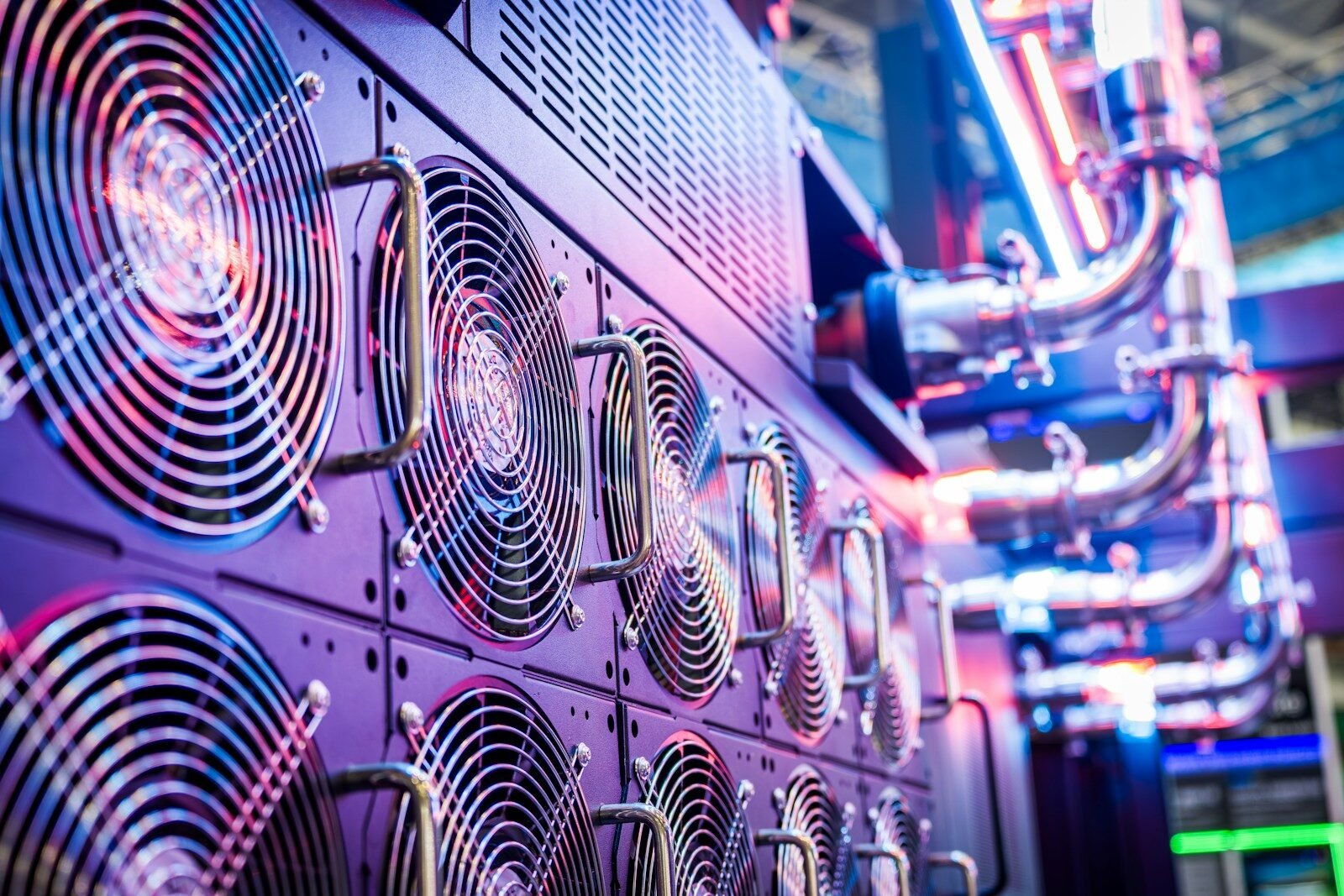
Direct-to-chip liquid cooling puts a cold plate on the hottest parts of a server, such as the processor and graphics chips. Coolant flows through the plate and carries heat out of the rack before the room air has to handle it.
Air cooling has limits. Fans can only move so much heat, and as chip power rises, the fans get louder and use more energy. Liquid carries heat far better than air, so it can remove more heat from a smaller space.
A typical direct-to-chip system has a few layers. Coolant moves through the server cold plates and back out to a manifold at the rack. The rack connects to a coolant distribution unit, or CDU, which separates the building water from the server loop. The CDU keeps the two loops isolated, so the coolant in the racks stays clean and controlled.
Liquid cooling still needs air cooling for parts that do not get a cold plate, such as memory, drives, and power supplies. Most sites end up with a mix.
Leak detection is a key part of the design. Sensors at the rack and under the floor alert operators if coolant escapes. Quick-disconnect fittings and isolation valves limit how much fluid can leak if a connection fails.
For people in the industry, the practical question is not whether liquid cooling works. It is how the loops are designed, tested, and maintained over the life of the facility.
Coolant chemistry matters. The fluid must resist corrosion across the different metals in the loop, and it must stay compatible with seals and hoses. Operators test the fluid on a schedule and treat it when levels drift out of range.
Flow balance across racks is critical. If one rack gets less flow than the others, its chips can run hot even when the plant is performing well. Balancing valves and flow meters help keep every rack in its design range.
Serviceability influences design. Quick-disconnect fittings let a technician swap a server without draining the rack. Good designs place isolation valves close to each connection, so a single component can be removed with minimal fluid loss.
Monitoring ties it together. Sensors track inlet and outlet temperature, flow, pressure, and humidity near the racks. Alarms should tell operators which rack is in trouble, not just that something is wrong somewhere in the hall.
Liquid cooling also changes the building. Floor loading, drainage, and the location of CDUs and manifolds must be planned early. Retrofitting an air-cooled hall for direct-to-chip usually takes more work than building for it from the start.
For teams new to the technology, the best starting point is a clear map of the loop. Know where the fluid goes, where it can stop, and how to isolate each section.
How it compares with other liquid methods
Direct-to-chip is one of several liquid cooling approaches. Rear door heat exchangers put a water-cooled coil on the back of a standard rack to catch heat as air leaves the servers. Immersion cooling places servers in a bath of dielectric fluid. Each method suits different densities and operating styles.
Direct-to-chip is popular because it keeps the familiar rack and server layout. It removes the bulk of the heat at the chip and leaves a smaller share for the room air system to handle.
The parts of the loop
Cold plates sit on the processors and graphics chips. Small tubes or channels inside the plate carry coolant over the heat source. Flexible hoses link plates to a manifold in the rack.
The manifold collects flow from all servers and connects to the rack supply and return lines. Quick-disconnect fittings let technicians pull a server without draining the rack.
The CDU sits outside the rack or at the end of a row and moves heat to the building loop. Sensors on every stage feed a controller that watches flow, pressure, and temperature.
Water temperature and efficiency
Liquid can run warmer than traditional chilled water. Many designs accept supply temperatures well above what air cooling requires. That opens the door to cooling with towers or dry coolers for more hours of the year, and it can cut or remove chiller use.
Warmer return water is also easier to reuse. A site that wants to send heat to a nearby building gets a more useful temperature to work with.
A worked example
Here is an illustrative example, not a real site. A rack uses a very high power load. Air cooling alone would need a large volume of cold air moving through a tightly packed rack, with loud fans and a lot of fan energy.
With direct-to-chip, the cold plates take most of the heat into the coolant. The remaining heat from memory, drives, and power supplies is smaller, and a modest airflow can handle it. The room needs less cold air, so the whole hall can run warmer.
What to watch during operation
Operators keep an eye on coolant quality, flow balance, and filter pressure. They test fluid on a schedule and replace filters before they clog. They also run leak detection tests and practice the response.
Common questions
Does liquid cooling remove the need for air? No. Some parts still need airflow.
Is it safe to put water near electronics? The loops are sealed, tested, and monitored, and many use treated fluids with leak detection and fast isolation.
Is it only for new buildings? No, but retrofits take more planning for floor loading, piping, and CDU space.
Planning a deployment
Start with density and growth. Know how many kilowatts per rack the first phase needs and what the plan is for later phases. Size the CDUs, piping, and manifold connections for the future load where possible, since adding capacity later is harder than leaving room now.
Plan the water side with the same care. Decide on supply temperatures, flow rates, and whether the building will use chillers, towers, dry coolers, or a mix to feed the CDUs. These choices set both energy use and water use for the life of the site.
Standards and compatibility
The industry is working toward common designs for racks, manifolds, and connectors. Open standards make it easier to swap hardware and avoid being locked into one vendor’s parts. Owners should ask whether the planned equipment follows published interfaces and how fluids and materials were tested together.
Training and procedures
Technicians need hands-on practice. They should know how to connect and disconnect fittings, how to check for air in the loop, how to respond to a leak alarm, and how to isolate a rack. Written procedures and drills reduce mistakes during real events.
Questions to ask a vendor
What coolant does the system use, and what is the maintenance interval? How are flow and temperature monitored at each rack? What is the response if a quick-disconnect fails? What is the warranty when a third-party fluid or part is used? Clear answers to these questions help owners compare options on more than price.
Cost and payback
Liquid cooling usually costs more up front than air cooling for the same hall, because of the added piping, CDUs, manifolds, and monitoring. The case for it rests on density and operating cost. A hall that can host much more computing per rack, with lower fan energy, may need less floor space and less building to deliver the same capacity.
Owners also weigh the cost of future flexibility. Planning the water side for higher loads later can avoid a second round of construction. Teams that model both options over the life of the site usually make better decisions than teams that compare first cost alone.
Direct to chip liquid cooling in practice
When you look at direct to chip liquid cooling, start with the basics and then check how they apply to your own situation. A clear view of direct to chip liquid cooling helps you ask better questions and avoid costly mistakes.
In short, direct to chip liquid cooling is easier to judge when you use plain numbers, trusted sources, and a simple checklist.
Related reading
Liquid cooling data center basics: direct-to-chip, rear door and immersion | Chilled Water or Direct-to-Chip? What Contractors Need to Know About Data Center Cooling | Redundancy in Cooling: N, N+1, and 2N Explained
For more background, see the U.S. Department of Energy.