









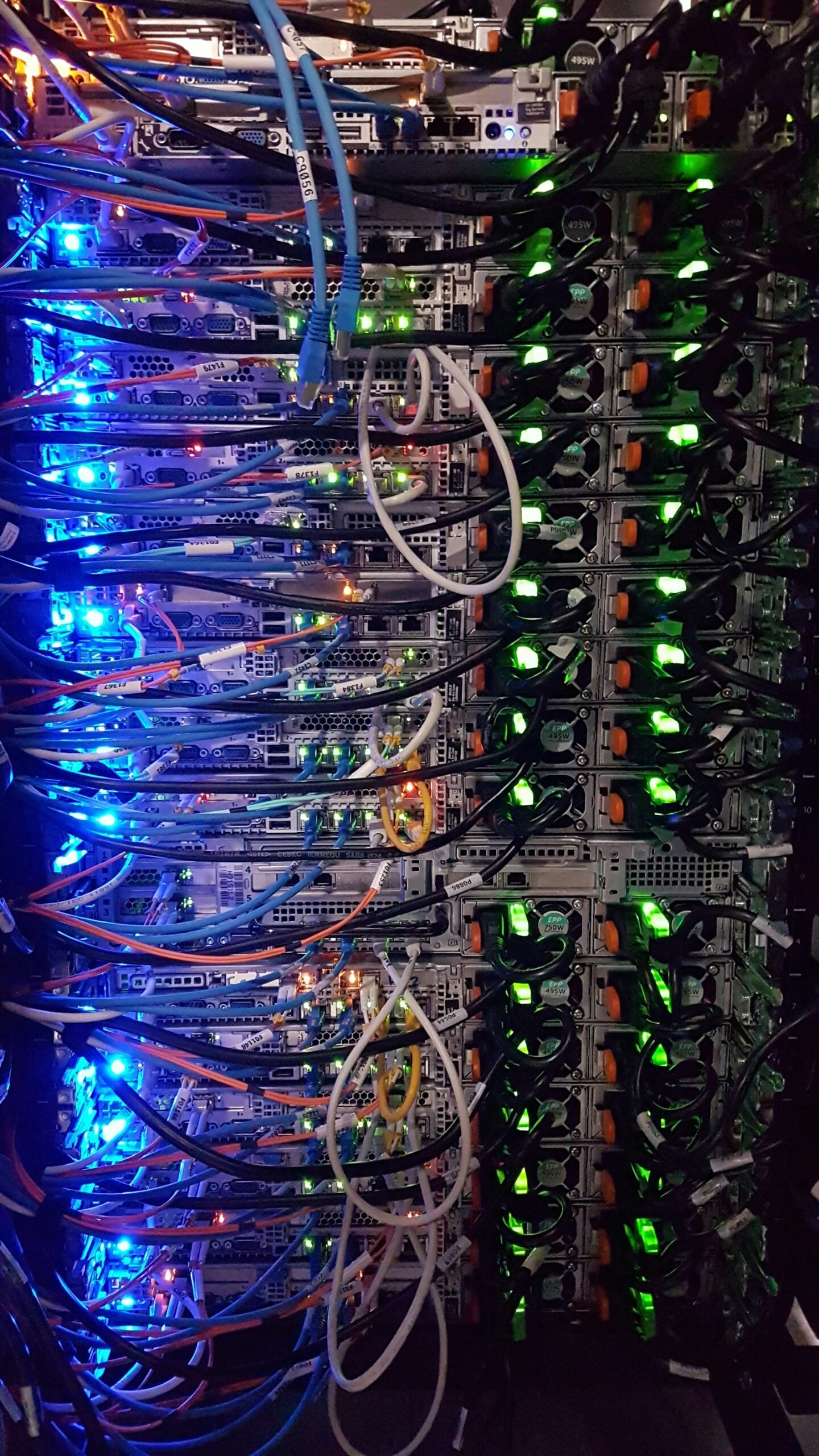

This guide covers data center construction in plain terms. A data center looks simple from the road. It is a large, windowless building with fences and cooling equipment outside. Inside, it is one of the most coordinated construction projects in the country. Here is how the process usually unfolds.
1. Site and power first for data center construction
Developers start with land, but the real first question is power. A site needs a utility connection that can deliver tens or hundreds of megawatts, plus fiber, water access if the cooling design needs it, and zoning that allows the use. Many projects are decided at this stage, long before any dirt moves.
2. Design and long-lead equipment
Engineers lay out electrical rooms, white space for server racks, and the mechanical plant that removes heat. Because transformers, generators, switchgear and chillers can take many months to arrive, owners often order them before the design is finished.
3. Site work and shell for data center construction
Crews grade the site, pour foundations and build the structure. Most facilities use tilt-up concrete or steel framing. Schedule pressure is real here, since a day lost on the shell can push back the date the customer goes live.
4. Mechanical and electrical fit-out
This is the longest phase. Pipefitters install chilled water or condenser water loops. Electricians pull cable and set switchgear, UPS systems and batteries. Controls teams tie it all together so the building can monitor itself.
5. Testing and commissioning for data center construction
Before any customer equipment arrives, the team tests everything under load. Generators are started, power paths are failed over, and cooling is pushed to its limits. Only after that does the facility hand over.
Why it matters
Every one of these steps depends on the one before it. That is why data center construction rewards teams who plan early, communicate often and keep equipment moving. For suppliers and contractors, understanding the sequence is the first step to getting into the conversation at the right time.
How long does it take?
A mid-sized facility can take 18 to 24 months from groundbreaking to handover, and large campuses are built in phases so the first building goes live while the next one is still under construction. Power delivery and equipment lead times, more than the building itself, usually set the pace.
Who is on the project team?
The owner or developer leads. A general contractor or construction manager runs the site. Engineers of record design the electrical and mechanical systems, while specialty trades install them. A commissioning agent, often independent, tests the work. Suppliers of chillers, generators, valves, pumps and switchgear are part of the picture from the start because their lead times shape the schedule.
What this means for suppliers
Getting involved early matters. Specifications are written during design, and equipment named in those documents is far more likely to be bought. Teams that understand how a data center gets built know when to approach engineers, when to talk with contractors and when to focus on the owner. Reliable delivery and clear documentation are what win repeat work.
Related reading on data center construction
For more, see our guides on why power is the first question for data center sites and the five levels of commissioning. For background from an outside source, visit the U.S. Department of Energy.