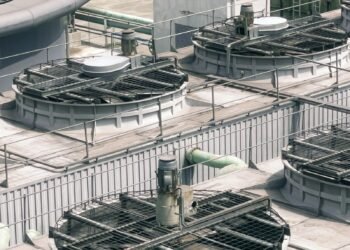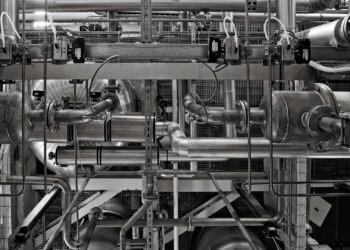

Liquid cooling uses water or special fluids to carry heat away from computer chips, instead of relying only on moving air. It is spreading fast in data centers because modern AI chips produce more heat than air can handle well.

Why air is reaching its limit
Air is a poor carrier of heat. As racks pack in more powerful chips, fans and air conditioning must work harder, and at some point they cannot keep up. Liquids hold far more heat than air, so they move it more efficiently.
The main types
Direct to chip cooling sends fluid through cold plates mounted right on the processors. Immersion cooling places servers in a bath of non conductive fluid. Rear door heat exchangers add liquid cooled panels at the back of racks. Many sites mix methods and still use some air.
What it means for water and energy
Liquid systems can cut the power spent on fans and chillers, and some designs use warmer water that needs less mechanical cooling. Water use depends on the full design, including the heat rejection method, so the answer changes by site and climate.
Why reliability matters
A leak or a pump failure can stop a hall, so liquid loops are built with redundancy, monitoring and quality components throughout. The Uptime Institute publishes research on how operators approach resilience.
Questions for operators
What heat load per rack is the design built for? How does the loop stay running during maintenance? How much water does the site use over a year? Good answers show a mature design. For more on this topic, browse our cooling and water coverage.
Get the Eco Business News newsletter. Free.
Plain news on eco, business and data centers. No spam.