
Engineers who specify liquid cooling are writing a section that did not exist in most master specs five years ago. As AI servers push rack densities far past what air can remove, direct to chip cooling is moving from pilot to standard. This guide covers the main components and the items worth writing down.
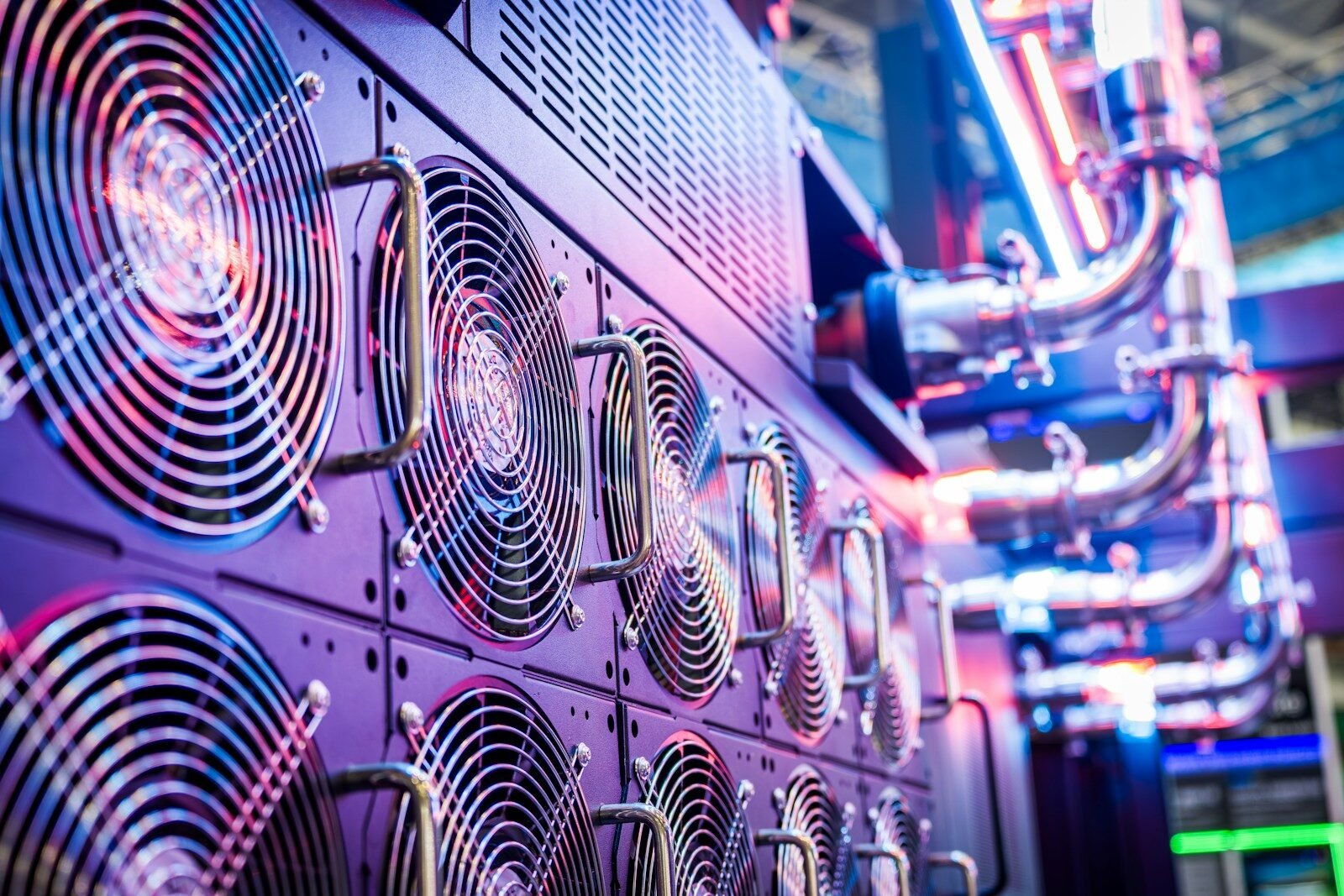
The loop structure
Most designs use two loops. The facility water system, or primary loop, comes from chillers or dry coolers. A coolant distribution unit, or CDU, transfers heat to a separate technology loop, often called the secondary loop, which feeds manifolds at the racks and cold plates on the chips. The heat exchanger in the CDU keeps facility water away from the sensitive servers.
CDU selection
Specify capacity, approach temperature, flow rate, pump redundancy and filtration. In row based designs, one CDU may serve several racks. In larger designs, a central CDU room serves a whole hall. Ask for dual pumps, hot swappable components where possible, and controls that report pressure, temperature and leak status to the building system.
Fluids and materials
The technology loop usually carries treated water with glycol, or a dielectric fluid in immersion designs. Material compatibility matters. Specify wetted materials in piping, valves, gaskets and seals that match the fluid and the server vendor requirements. Stainless steel, specialty plastics and certain elastomers are common. Cleanliness is critical, so require flushing, filtration and fluid sampling before connection to servers.
Valves, quick disconnects and leak control
Isolation valves at CDUs, headers and rack branches let operators service one part of the system without shutting down the hall. Dripless quick disconnects at the rack let technicians swap equipment. Add leak detection cable, drip trays and automatic shutoff where the design calls for it. Specify the pressure rating for the technology loop, and test at the required pressure before turnover.
Commissioning
Commissioning a liquid loop includes pressure testing, flushing, fill and air removal, flow balancing, and a controls test of every failure mode. Plan for load banks that mimic server heat, since the real IT load may not be ready at turnover. Document setpoints so operators can raise fluid temperatures over time for efficiency.
Heat rejection and facility water
A liquid cooled hall still has to send heat outside. Because liquid cooling allows warmer supply fluid, many designs use dry coolers or hybrid coolers for much of the year and add trim cooling from chillers only on the hottest days. This lowers water use and can reduce energy. The spec should state the supply and return temperatures the facility loop must deliver, the allowable temperature swing, and what happens if the facility loop is lost. Operators also need to know how long the technology loop can ride through on thermal mass, since that number sets pump and controls requirements.
Redundancy and maintenance
Decide how many CDUs, pumps and heat exchangers can fail before the hall loses capacity. Write the answer as N plus one, N plus two or 2N, and specify the isolation valves needed to repair any single component while the hall runs. Include spare parts, fluid on hand, and procedures for replacing filters and sampling fluid. Many owners also ask for water quality monitoring so corrosion and bacterial growth are caught early.
Eco friendly considerations
Liquid cooling improves eco performance in several ways. It lets servers run at higher temperatures, reduces fan energy, shrinks the footprint of cooling equipment, and makes waste heat easier to capture because the return fluid is warmer. That heat can feed building heating, nearby district networks or industrial processes. When writing the section, include requirements for heat reuse connections, metering and controls, even if the reuse project comes later. It is far cheaper to install the tees and valves now than to cut in later.
Submittals, testing and turnover
Ask for submittals that show CDU capacity curves, heat exchanger data, pump curves, wetted material lists, fluid compatibility statements and controls points. Require factory testing of CDUs, a witnessed pressure test of the technology loop, and documented flushing results. At turnover, collect the final fluid report, a labeled valve schedule, and a one page operating guide for the technicians who will work on the racks. Clear documentation prevents the common problem where a well built loop is operated by people who never saw how it was commissioned. It also gives the owner the evidence needed to hold the contractor and manufacturers to the warranty.
Frequently asked questions
What does a CDU do?
A coolant distribution unit moves heat from the server technology loop to the facility water loop while keeping the two fluids separate.
Do liquid cooled halls still need air cooling?
Yes. Direct to chip cooling removes most of the heat from processors, but some heat is still removed by air from other components.
Does liquid cooling save water?
It can, because higher fluid temperatures allow more dry cooling and less evaporation, though results depend on the design.
Related reading: Building specification directory, Butterfly valve specifying guide, Waste heat reuse. External reference: Open Compute Project.