

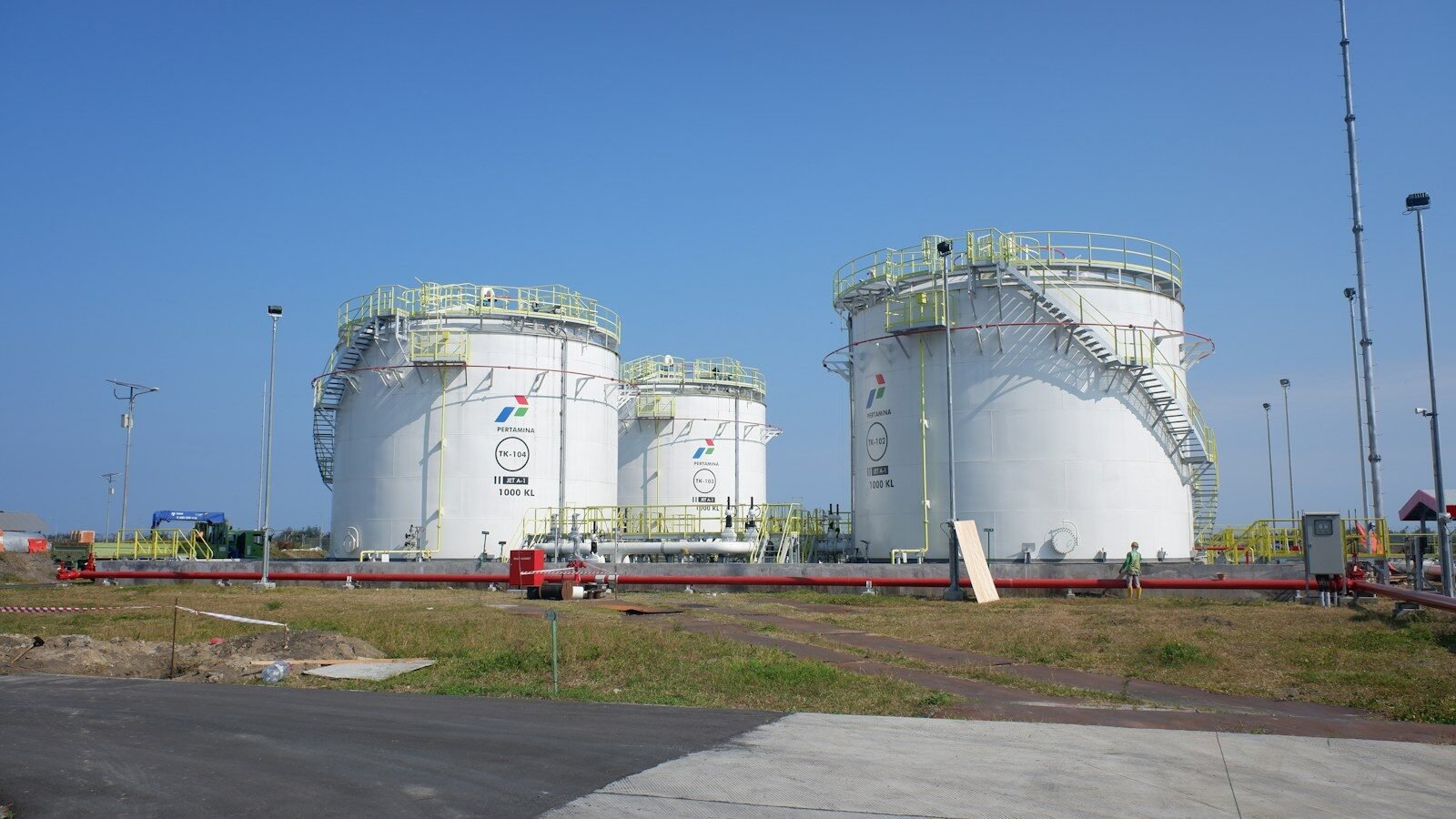
Green hydrogen is hydrogen made by splitting water with electricity from clean sources such as wind or solar. When it is used, it gives off water instead of carbon dioxide, which makes it attractive for industries that are hard to electrify.

How it is made
A machine called an electrolyzer passes electric current through water and separates it into hydrogen and oxygen. If the electricity is clean, the hydrogen is called green. Most hydrogen today is made from natural gas, which is why the color of the label matters.
Where it could be used
The strongest cases are steelmaking, fertilizer, refining and long distance shipping. These uses need high heat or a chemical input that batteries cannot easily supply. Hydrogen can also store energy for later, though with losses along the way.
What holds it back
Green hydrogen is still more expensive than the fossil version. Electrolyzers cost money, clean power is needed in large amounts, and moving and storing hydrogen takes special equipment. The U.S. Department of Energy explains the production methods in more detail.
What to watch
Watch for falling electrolyzer costs, new clean power projects built to feed them, and customer commitments from steel and chemical makers. Those signals show where green hydrogen is moving from pilot to real demand.
The business takeaway
For most companies it is a long term option, not a quick fix. Understand where it fits your industry and keep an eye on costs. For the bigger picture, read our guide to climate tech.
Get the Eco Business News newsletter. Free.
Plain news on eco, business and data centers. No spam.
Quick recap
- The short version: Listen to this article 1x 1.25x 1.5x (function(){var w=document.currentScript.parentNode;var b=w.querySelector(‘.ebn-lb’),t=w.querySelector(‘.ebn-lt’),s=w.querySelector(‘.ebn-ls’);if(!(‘speechSynthesis’ in window)){w.style.display=’none’;return}var root=w.closest(‘.content-inner’)||document;var q=[],i=0,on=false;function build(){q=[];root.querySelectorAll(‘p,h2’).forEach(function(e){if(e.closest(‘.ebn-listen,.ebn-sub-end’))return;var x=e.textContent.trim();if(x.length>2)q.push(x)});return q}function words(){return build().join(‘ ‘).split(/\s+/).length}t.textContent=Math.max(1,Math.round(words()/160))+’ min listen’;function say(){if(!on||i>=q.length){on=false;b.textContent=’Listen to this article’;b.className=’ebn-lb’;i=0;return}var u=new SpeechSynthesisUtterance(q[i]);u.rate=parseFloat(s.value);u.lang=’en-US’;u.onend=function(){i++;say()};speechSynthesis.speak(u)}b.onclick=function(){if(on){on=false;speechSynthesis.cancel();b.textContent=’Listen to this article’;b.className=’ebn-lb’;return}build();i=0;on=true;b.textContent=’Stop listening’;b.className=’ebn-lb ebn-on’;speechSynthesis.cancel();say()};s.onchange=function(){if(on){speechSynthesis.cancel();say()}};window.addEventListener(‘beforeunload’,function(){speechSynthesis.cancel()})})(); Green hydrogen is hydrogen made by splitting water with electricity from clean sources such as wind or solar.
- How it is made: A machine called an electrolyzer passes electric current through water and separates it into hydrogen and oxygen.
- Where it could be used: The strongest cases are steelmaking, fertilizer, refining and long distance shipping.
- What holds it back: Green hydrogen is still more expensive than the fossil version.
- What to watch: Watch for falling electrolyzer costs, new clean power projects built to feed them, and customer commitments from steel and chemical makers.
- The business takeaway: For most companies it is a long term option, not a quick fix.
Questions readers ask
What should I know about the short version?
When it is used, it gives off water instead of carbon dioxide, which makes it attractive for industries that are hard to electrify.
What should I know about how it is made?
If the electricity is clean, the hydrogen is called green. Most hydrogen today is made from natural gas, which is why the color of the label matters.
What should I know about where it could be used?
These uses need high heat or a chemical input that batteries cannot easily supply. Hydrogen can also store energy for later, though with losses along the way.
What should I know about what holds it back?
Electrolyzers cost money, clean power is needed in large amounts, and moving and storing hydrogen takes special equipment. Department of Energy explains the production methods in more detail.
What should I know about what to watch?
Those signals show where green hydrogen is moving from pilot to real demand.
What should I know about the business takeaway?
Understand where it fits your industry and keep an eye on costs. For the bigger picture, read our guide to climate tech .
Test yourself
- In one sentence, how would you explain the short version to a friend? Compare your answer with the section above.
- In one sentence, how would you explain how it is made to a friend? Compare your answer with the section above.
- In one sentence, how would you explain where it could be used to a friend? Compare your answer with the section above.
- In one sentence, how would you explain what holds it back to a friend? Compare your answer with the section above.
Share this guide
If this guide on green hydrogen was useful, send it to a colleague, a neighbor or your team. Use the share buttons at the top of the page to post it on LinkedIn, email it, or copy the link.
A short checklist for specifiers
- Name the scope: which systems, sizes and service conditions the section covers.
- State the standards the product must meet and the tests required before shipment.
- List acceptable manufacturers and a basis of design, and say how substitutions are reviewed.
- Require submittals that show performance data, materials, weights and dimensions.
- Define startup, commissioning, training and warranty.
- Record what the owner needs at turnover so operators can keep the system running.
How suppliers and specifiers can work together
Engineers write better sections when they have clean, current information early. Suppliers who share a clear cut sheet, a short basis of design paragraph and honest lead time and stock information make it easier to write green hydrogen requirements that can actually be bought and installed. The most useful conversations happen while the mechanical specification is still open, before bids go out. Be specific about what is standard, what is custom and what changes the price or the schedule. Specifiers should keep notes on what worked, so the next master spec starts stronger than the last one.
Common mistakes with green hydrogen
Most problems with green hydrogen trace back to the same few habits. The requirement is written late, after the equipment has been selected. The section copies an old project without checking it against current codes and owner standards. Coordination with other trades is left to the field. Testing is described in general terms, so nobody is sure who proves what. And the closeout documents are vague, so operators inherit a system they do not fully understand. The fix is not complicated. Start the section early, write requirements that can be measured, assign each test to a named party and ask for a clean, labeled handoff. Doing these four things turns a routine spec section into a reliable result, and it helps every manufacturer and contractor bid the same job.