
This article covers liquid cooling data centers in plain language, with clear examples and practical points.
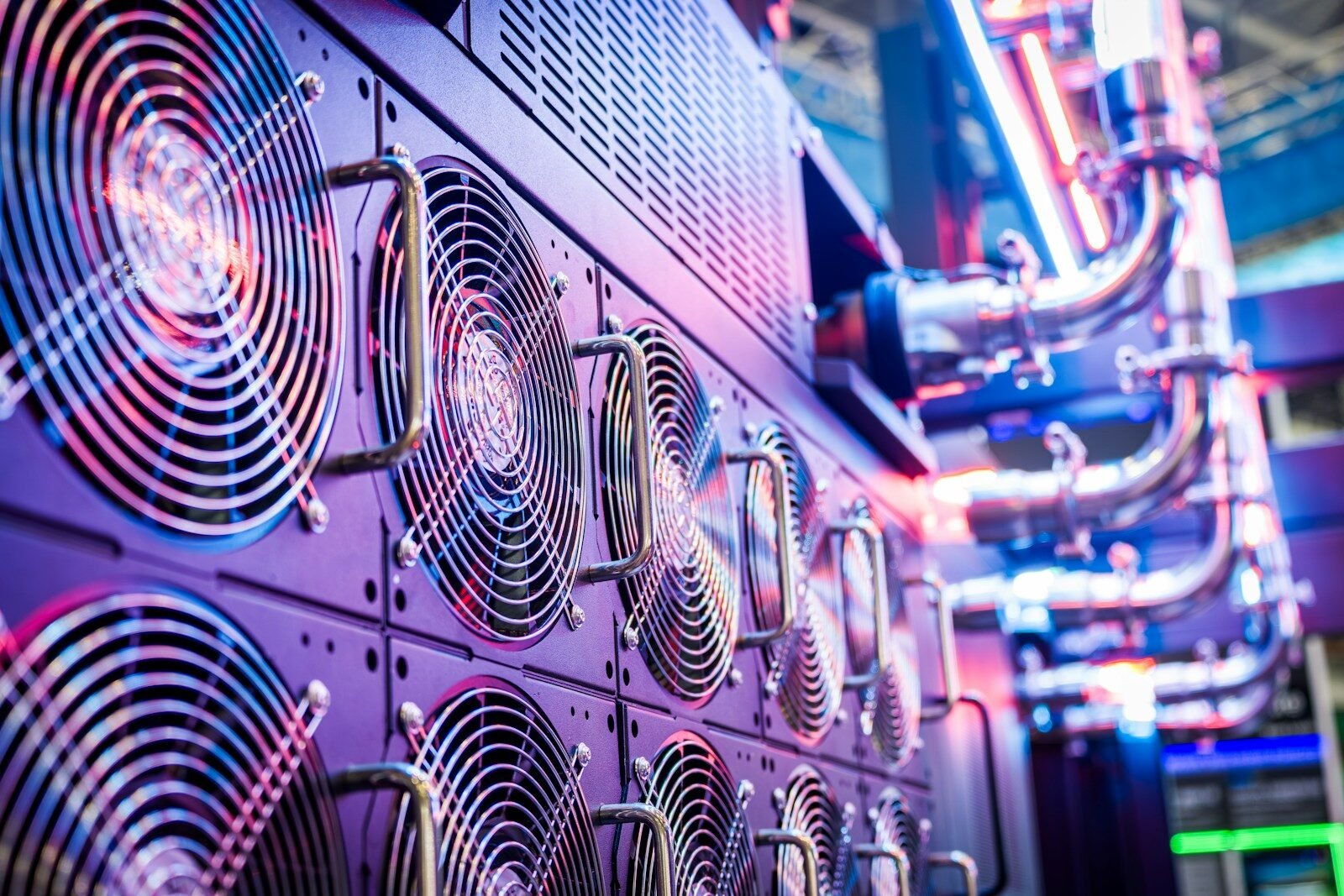
For most of the history of data centers, cooling meant moving air. Cold air came up through raised floors, passed the racks and went back to the air handlers. That still works for many facilities. But the chips inside today’s AI servers produce far more heat per rack than air can carry away cleanly, and that is pushing the industry toward liquid.
Why air is running out of room
Air is a poor carrier of heat compared with water. It takes a large volume of air to move a modest amount of heat, which means big fans, large ducts and a lot of floor space. When rack densities climb, air systems need more energy just to move the air around. At some point the physics stops working for a standard room.
That is the reason operators are looking at direct-to-chip cooling and immersion systems. Both bring a liquid much closer to the heat source, so less air and less fan power are needed.
Direct-to-chip cooling explained
In a direct-to-chip design, a cold plate sits on top of the processor or accelerator. Coolant flows through small channels inside the plate and picks up heat from the chip. The warmed liquid then travels through manifolds and hoses to a coolant distribution unit, or CDU. The CDU is the heart of the system. It separates the server loop from the facility loop, controls temperature and pressure, and moves heat to the building’s water system.
Most designs still use some air. Memory, power supplies and networking gear may stay on air cooling, so the room still needs airflow. Liquid takes the largest share of the heat, and that changes the job for the whole mechanical plant.
Immersion cooling
Immersion puts whole servers in a tank of dielectric fluid, a liquid that does not conduct electricity. Heat moves from the components into the fluid, and the fluid is then cooled through a heat exchanger. Immersion can carry very high loads, but it asks more of the people who maintain the racks, the materials in the tank and the fluid handling systems.
It is not the only answer, and most owners will use a mix. The right choice depends on the chip, the density, the maintenance model and the local water and energy costs.
What changes for the mechanical design
Liquid cooling moves the critical path. The design team now has to think about approach temperatures, flow rates per rack, pressure drop across the loop, filtration, and how the system behaves when a pump or a CDU fails. Redundancy plans change. So do commissioning steps. Flushing, filling and pressure testing take time, and they need the right valves, strainers and isolation points in the right places.
Control valves carry much of the load. They balance flow among racks, hold supply temperature and isolate sections for service. A poor valve choice can cause hunting, noise, and uneven cooling across the room.
Valves and fittings deserve more attention
Liquid loops are less forgiving than air. A small leak at a fitting can become a real outage. Materials must suit the coolant, which may be water with corrosion inhibitors, glycol mixes or specialty fluids. Seats and seals must hold up to the pressure and temperature cycling of a loop that runs all year. Butterfly valves are common on large mains because they are compact and cost less at larger sizes. Ball and globe valves often serve smaller branches and controls.
Specifiers should ask for clear cut sheets, pressure and temperature ratings for the actual fluid, and documented material compatibility. They should also ask what the supplier can ship, and how fast, because a missing valve can hold up a whole commissioning schedule.
Water still matters
Liquid cooling does not remove water from the picture. The heat still goes somewhere. Many designs send it to a cooling tower, a dry cooler or a chiller plant. The water footprint depends on how the facility rejects the heat and how much of the load it has to handle. A liquid-cooled building can use less fan energy and sometimes less total water, but the answer varies site by site.
That is why a serious plan looks at the whole loop, from the chip to the atmosphere, and not only at the racks.
Questions for owners and engineers
Before committing to a liquid design, a team should answer a few questions. What rack density is planned now, and what is planned in three years? What coolant will the loop carry? Who will maintain the CDUs and how often? How will the facility handle a partial failure? And which valves, filters and sensors have proven performance with that coolant at that pressure?
The answers shape the mechanical package, the budget and the schedule. Teams that settle them early avoid the expensive changes that come later in commissioning.
Looking ahead
Liquid cooling is becoming a normal part of data center design, not a niche option. The change is practical, not magic. It rewards careful engineering: good controls, clean loops, the right materials and parts that arrive on time. For the people who build these systems, the details at the valve and the fitting are where the reliability is won or lost.
Liquid cooling data centers in practice
When you look at liquid cooling data centers, start with the basics and then check how they apply to your own situation. A clear view of liquid cooling data centers helps you ask better questions and avoid costly mistakes.
In short, liquid cooling data centers is easier to judge when you use plain numbers, trusted sources, and a simple checklist.
Related reading
Liquid Cooling for Data Centers: A Plain Guide | Heat Reuse from Data Centers: How It Works | Closed-loop cooling: how data centers cut water use at the design stage
For more background, see the U.S. Department of Energy.