

This article covers data center closed loop cooling in plain language, with clear examples and practical points.
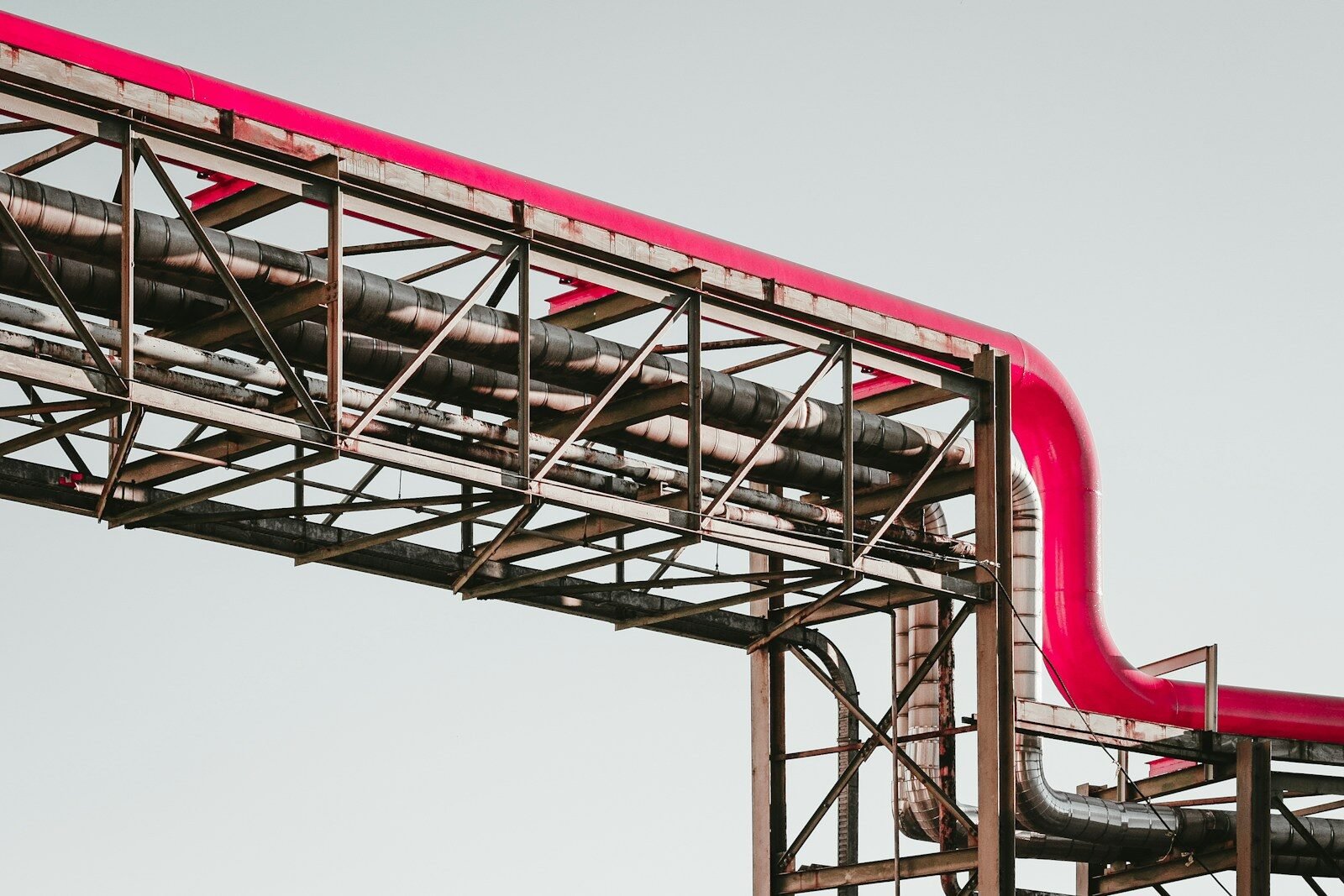
Microsoft and Digital Realty are taking two different routes to cut water use in data centers. One of them pulls water out of the cooling loop almost entirely. The other works on the water that is still used. Both show how the industry is adjusting to tougher scrutiny in water-stressed regions.
According to Trellis reporting, Microsoft’s new design will result in a small rise in energy use compared with its existing designs. The company’s infrastructure engineering lead called the energy change “nominal.” In exchange, the new buildings need far less water for cooling. Projects in Phoenix and Mt. Pleasant, Wisconsin are set to use the design, with the first sites coming online in 2027.
The trade-off engineers will recognize
Closed-loop cooling keeps the same water in a sealed circuit instead of letting it evaporate in a tower. That saves water, but it moves heat through other equipment, often chillers or dry coolers. More electricity runs those machines. This is the same trade-off that has shaped data center design for years: less water usually means more power.
For the piping and valve teams, a sealed loop raises the stakes. Leaks, air in the lines, and chemistry drift are harder to tolerate when the water is supposed to last. Materials, seals and controls need to fit that long service life.
Why Digital Realty’s approach differs
The same Trellis article describes Digital Realty working on the water that stays in the system. Its partner, Ecolab, is developing ways to treat and reuse cooling water more effectively. That keeps the existing cooling tower model and cuts the amount of fresh water each site needs.
Both paths can be right in different places. A site with cheap power and dry air may favor one design. A site with expensive power and reclaimed water may favor the other. The point is that the choice is now made around local water conditions, not only around cost.
What to watch
The first sites will show whether the energy penalty stays small in real operation, not just on paper. Owners will also want to see water data from the Phoenix and Wisconsin projects once they run through a full year. Those numbers will tell engineers and communities more than any press release.
Data center closed loop cooling in practice
When you look at data center closed loop cooling, start with the basics and then check how they apply to your own situation. A clear view of data center closed loop cooling helps you ask better questions and avoid costly mistakes.
In short, data center closed loop cooling is easier to judge when you use plain numbers, trusted sources, and a simple checklist.
Related reading
Digital Realty Green Financing: A Data Center Firm Ties Its Credit to Sustainability | Zero Water Cooling: Microsoft Plans Data Centers That Save Millions of Liters | Google Sets a Water Standard: Return More Than Data Centers Use by 2030
For more background, see the U.S. Department of Energy.
Quick recap
- The short version: This article covers data center closed loop cooling in plain language, with clear examples and practical points.
- The trade-off engineers will recognize: Closed-loop cooling keeps the same water in a sealed circuit instead of letting it evaporate in a tower.
- Why Digital Realty’s approach differs: The same Trellis article describes Digital Realty working on the water that stays in the system.
- What to watch: The first sites will show whether the energy penalty stays small in real operation, not just on paper.
- Data center closed loop cooling in practice: When you look at data center closed loop cooling, start with the basics and then check how they apply to your own situation.
- Related reading: Digital Realty Green Financing: A Data Center Firm Ties Its Credit to Sustainability | Zero Water Cooling: Microsoft Plans Data Centers That Save Millions of Liters | Google Sets a Water Standard: Return More Than Data Centers Use by 2030 For more background, see the U.S.
Questions readers ask
What should I know about the short version?
Microsoft and Digital Realty are taking two different routes to cut water use in data centers. One of them pulls water out of the cooling loop almost entirely.
What should I know about the trade-off engineers will recognize?
That saves water, but it moves heat through other equipment, often chillers or dry coolers. More electricity runs those machines.
What should I know about why digital realty’s approach differs?
Its partner, Ecolab, is developing ways to treat and reuse cooling water more effectively. That keeps the existing cooling tower model and cuts the amount of fresh water each site needs.
What should I know about what to watch?
Owners will also want to see water data from the Phoenix and Wisconsin projects once they run through a full year. Those numbers will tell engineers and communities more than any press release.
What should I know about data center closed loop cooling in practice?
A clear view of data center closed loop cooling helps you ask better questions and avoid costly mistakes. In short, data center closed loop cooling is easier to judge when you use plain numbers, trusted sources, and a simple checklist.
What should I know about related reading?
Digital Realty Green Financing: A Data Center Firm Ties Its Credit to Sustainability | Zero Water Cooling: Microsoft Plans Data Centers That Save Millions of Liters | Google Sets a Water Standard: Return More Than Data Centers Use by 2030 For more background, see the U.S.
Test yourself
- In one sentence, how would you explain the short version to a friend? Compare your answer with the section above.
- In one sentence, how would you explain the trade-off engineers will recognize to a friend? Compare your answer with the section above.
- In one sentence, how would you explain why digital realty’s approach differs to a friend? Compare your answer with the section above.
- In one sentence, how would you explain what to watch to a friend? Compare your answer with the section above.
Share this guide
If this guide on data center closed loop cooling was useful, send it to a colleague, a neighbor or your team. Use the share buttons at the top of the page to post it on LinkedIn, email it, or copy the link.