
This article covers cooling tower data center in plain language, with clear examples and practical points.
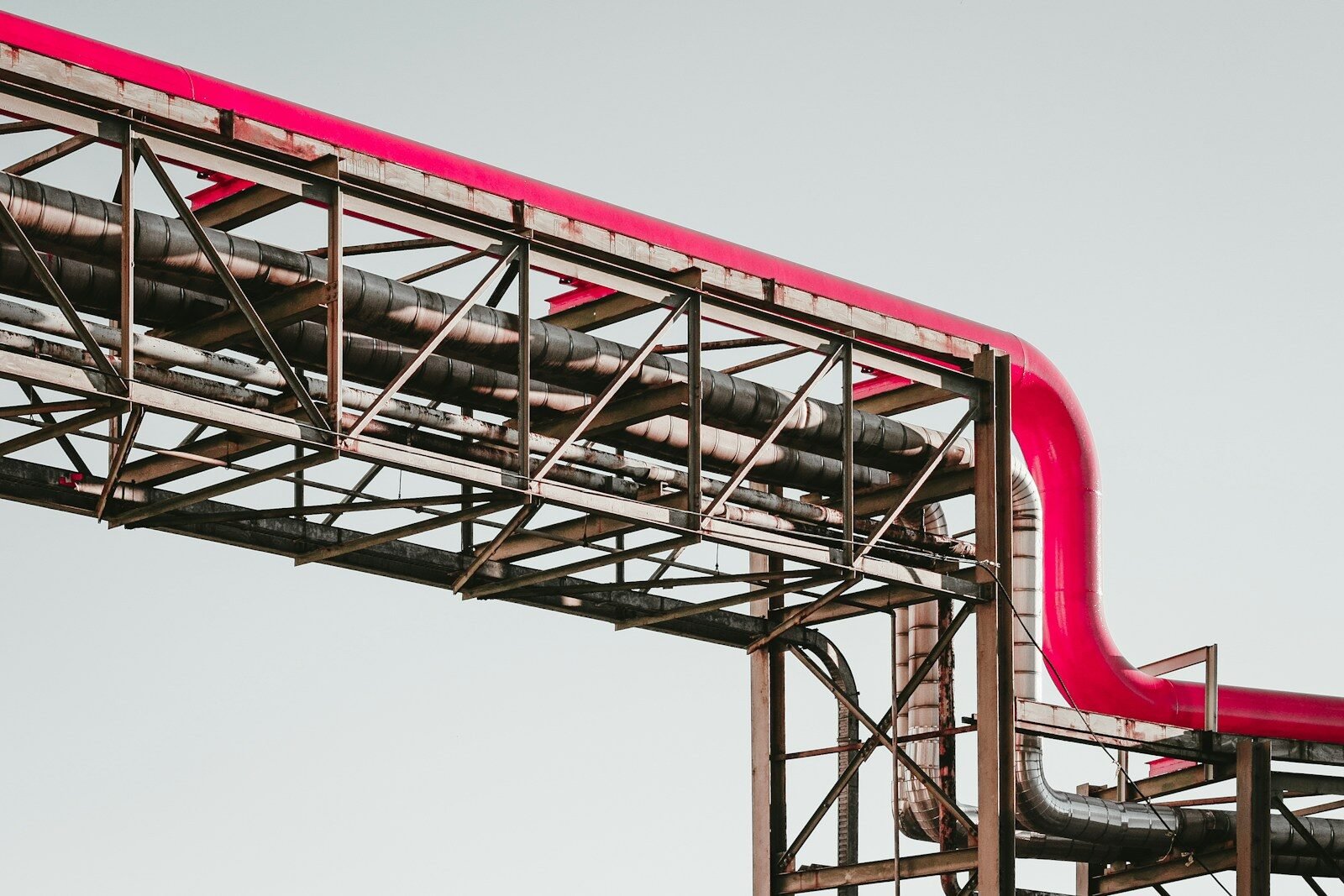
A cooling tower is the part of a data center cooling system that gets rid of heat. It does not make cold air. It moves heat from water into the outdoor air.
Here is the basic path. Warm water leaves the chillers or heat exchangers that pulled heat out of the server halls. That water is spread over fill material inside the tower. A fan or natural draft pulls outside air across it. A small part of the water evaporates, and that evaporation carries heat away with it. The cooled water drops to a basin and returns to the plant.
Evaporation is why towers use water. The water that evaporates has to be replaced, and it leaves minerals behind that build up on surfaces. That is why every tower needs water treatment and a blowdown line, which bleeds off concentrated water so the system does not scale.
Operators watch a few numbers. Approach temperature shows how close the cooled water gets to the outdoor wet-bulb temperature. Cycles of concentration show how much the water has built up. Drift and blowdown show where the water is going.
Towers are a large part of a site’s water footprint, so they are often the first thing people ask about. Owners who want to cut water use look at dry coolers, closed loop designs, or reclaimed water. Each option changes the energy and maintenance profile, so the choice is usually a trade-off.
If you are reading a company’s water claim, ask what kind of cooling the site uses and how much of its water goes through towers.
Fill is the part that does most of the work. It breaks water into thin films or droplets so more surface meets the air. Splash fill, film fill, and newer high-efficiency designs handle the water differently, and the choice affects both thermal performance and how easily the fill fouls.
Drift eliminators sit above the fill. They catch small water droplets before they leave the tower. Good eliminators keep drift low, which matters for water loss and for what lands on nearby equipment.
Basin water quality is checked often. Operators look at conductivity, pH, and biological activity. When the numbers drift, they adjust chemical feed or increase blowdown. Keeping that balance is one of the most common daily tasks at a tower.
Winter operation brings its own problems. Ice can form on fill and louvers, and freeze protection may require heat, bypass valves, or controls that change fan speed. Plants that run through cold months plan for this from the design stage.
Towers also need routine inspection. Crews check fans, bearings, drift eliminators, and basin sediment. A tower inspected on schedule usually holds its rated performance longer than one that is only serviced after a problem.
When you compare towers across projects, look at approach, range, and water use together. A tower that cools well but uses much more water may not be the better choice for a site with limited supply.
Types of cooling towers
Crossflow towers move air horizontally across falling water. Counterflow towers move air upward against the falling water. Crossflow designs are easier to inspect because the fill is exposed on the sides. Counterflow designs usually have a smaller footprint and can be more compact on tight sites.
Towers are also grouped by how air moves. Induced draft towers pull air through with a fan at the top. Forced draft towers push air in with fans at the base. Induced draft is more common on larger plants because it handles recirculation better.
Hybrid towers add a dry section that cools water without evaporation when the weather allows. In cool or humid conditions they can cut water use a great deal. In hot weather they switch to wet operation to keep up with the load.
A worked example
Here is an illustrative example with round numbers, not a real site. Say a plant circulates 10,000 gallons per minute through its tower, and the water cools by 10 degrees Fahrenheit across the fill.
A common rule of thumb says evaporation is about one percent of the circulating flow for every 10 degrees of cooling. That puts evaporation near 100 gallons per minute.
Now add blowdown. If the plant runs at four cycles of concentration, blowdown equals evaporation divided by the cycles minus one. That is 100 divided by three, or about 33 gallons per minute.
Makeup water has to replace both. The plant draws roughly 133 gallons per minute, or close to 190,000 gallons a day, for this one tower. Raising the cycles to six drops blowdown to 20 gallons per minute, which is why water treatment matters for water use.
Dry and hybrid alternatives
Some owners choose dry coolers, which reject heat to air through finned coils and use almost no water. The trade-off is higher fan energy and weaker performance on hot days, because the water can only get as cold as the dry bulb air allows.
Hybrid and adiabatic designs sit in the middle. They use a small amount of water only when the weather demands it. Many sites in water-stressed regions look hard at these options.
Common questions
Does a cooling tower make the air cold? No. It rejects heat from water into the outdoor air. The cold water it produces feeds the chillers or heat exchangers.
Why does the water get treated? Evaporation concentrates minerals, so scale, corrosion, and biological growth all need control.
Can a tower run without water? Not a wet tower. A dry cooler can, but with trade-offs in energy and hot weather performance.
How often is a tower inspected? Many operators check weekly or monthly, with deeper inspections before summer and winter.
Water use and sustainability
Cooling towers are often the biggest single source of water use at a data center. That is why owners now track water usage effectiveness, or WUE, which divides annual site water use by the energy delivered to IT equipment. A lower number means less water for each unit of computing.
Reducing tower water use usually comes from a few moves. Raise the cycles of concentration with better treatment. Use reclaimed or non-potable water where local rules allow. Add dry or hybrid sections that take over in cool weather. Each move has costs, so the best mix depends on the site’s climate, water price, and energy price.
Maintenance calendar
A simple calendar helps. Weekly, operators check basin level, chemical feed, and fan operation. Monthly, they inspect fill, drift eliminators, and strainers, and review water test results. Each spring, crews clean the basin and inspect structure before the hot season. Each fall, they prepare for freezing weather.
Keeping logs makes a difference. A slow rise in conductivity, a change in fan amperage, or a drop in approach performance can all point to a problem long before an alarm sounds.
What to ask when reviewing a design
Ask what water source the tower uses and what the backup is. Ask how many cycles of concentration the design assumes and how the treatment program supports it. Ask what happens on the hottest day on record for the site, and whether the tower can still meet the load. Ask how the tower is isolated for service without losing cooling. These questions show quickly whether a design has been thought through.
Cooling tower data center in practice
When you look at cooling tower data center, start with the basics and then check how they apply to your own situation. A clear view of cooling tower data center helps you ask better questions and avoid costly mistakes.
In short, cooling tower data center is easier to judge when you use plain numbers, trusted sources, and a simple checklist.
Related reading
Reclaimed water data center cooling: what Google does in Georgia | What a CDU Does in a Liquid-Cooled Data Center | What Is a Hyperscale Data Center and Why Does Power Matter So Much?
For more background, see the U.S. Department of Energy.