
Butterfly valves for data center cooling show up in nearly every chilled water, condenser water and technology loop, and the way they are written into Division 23 affects cost, lead time and uptime. This guide explains where the valves go, how the common series differ, and what a specifier should put in the section so the right product arrives on site.
Where the valves go in a cooling plant
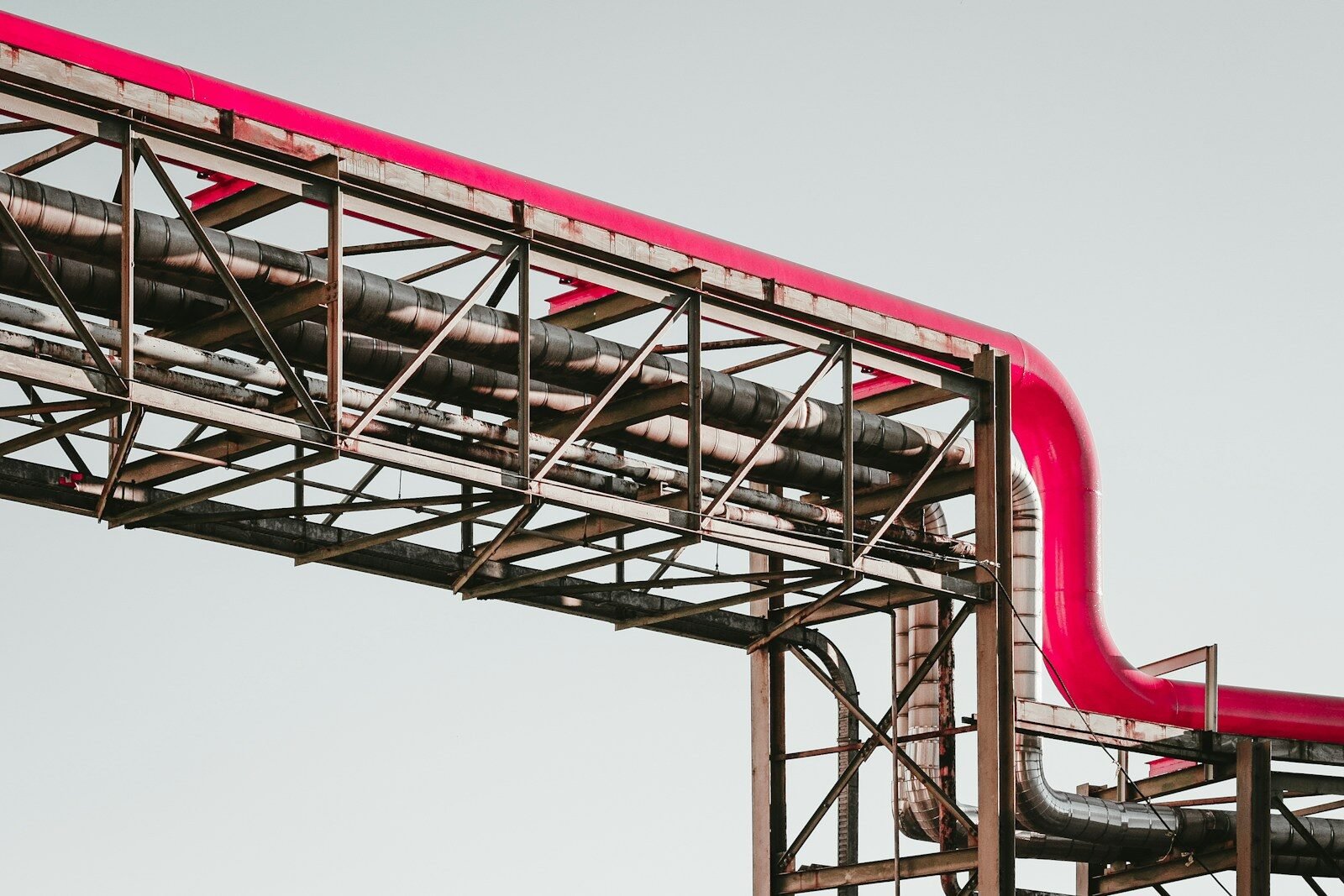
Valves are the control points of the plant. Isolation valves let operators take a chiller, pump or tower cell out of service without shutting down the loop. In a typical data center cooling plant you will find them at cooling towers, condenser water pumps, chiller condensers and evaporators, chilled water pumps, header sectionalizing points, air handlers, coolant distribution units and technology loop isolation points.
Concurrently maintainable designs depend on this. If a section of header cannot be isolated, a repair becomes a shutdown. That is why the one line diagram and the piping diagram both show sectionalizing valves, and why the spec needs to describe them clearly.
Resilient seated and double offset designs
Two families cover most cooling work. Resilient seated butterfly valves use a soft seat, usually in wafer or lug style, and suit chilled and condenser water at standard ANSI 125 and 150 flanges. Double offset, sometimes called high performance, valves move the disc off the seat quickly during travel, which lowers wear and allows higher pressure classes, glycol service and modulating duty.
One published example is the Pratt Industrial line, where the BF series is a resilient seated wafer or lug valve from 2 to 24 inches with a ductile iron body, rated 250 psi through 12 inches and 150 psi from 14 to 24 inches. The OS series is resilient seated in wafer, lug or flanged style from 1 to 48 inches. The HP series is double offset from 2 to 72 inches in carbon steel or CF8M stainless, offered in Class 150, 300 and 600 ratings. Always confirm current data with the manufacturer literature, since it governs.
Pressure rating, Cv and sizing
Match the valve rating to the highest pressure the system can see, including pump shutoff head and static head in tall buildings. Do not size isolation valves by line size alone. For anything that modulates, size on Cv at the real operating position, not full open. As a published example, a 12 inch BF has about 9,245 Cv full open and roughly 2,799 Cv at 60 degrees open, around 30 percent of full open capacity.
Full open Cv for the BF series ranges from about 206 for a 2 inch valve to about 36,979 for a 24 inch valve. Large valves also carry real weight. A 24 inch BF lug is about 408 pounds before the actuator, and a 24 inch HP Class 300 lug is about 1,005 pounds. Pipe supports and installation access need to account for that.
Materials, standards and testing
Specify the body, disc, stem and seat materials by service. Ductile iron suits many chilled water applications. Carbon steel or stainless is used for higher pressure, glycol or aggressive water. Stainless options exist across series, though stainless parts can change the pressure rating, so check the data sheet.
Reference recognized standards in the section. API 609 covers butterfly valve design, and API 598 covers valve inspection and testing, including leak testing. Double offset designs may also reference API 607 for fire safe performance and ASME B16.34 for pressure temperature ratings. Specify an ISO 5211 actuator mounting flange so actuators from different suppliers can be fitted.
Installation points that cause problems on site
Leave room for insulation. A minimum clearance between the bonnet and the flange keeps insulation from interfering with the operator. Choose lug style where dead end service or vacuum service is required. Check disc clearance against the adjoining pipe, especially with lined pipe or large check valves downstream. Require orientation guidance for stems on horizontal lines, and require that valves be shipped and stored closed or slightly open as the maker recommends.
What to write in the spec
A good section names acceptable manufacturers, states a basis of design, lists size and pressure ranges by service, and cites the standards above. If an owner keeps an approved manufacturer list, reference it. Ask for submittals that include cut sheets, Cv curves, weights, actuator data and test certificates.
To save time, many manufacturers publish paste ready basis of design text and a Division 23 guide spec. One independent reference compiled from published product data is the butterfly valve specs page on datacenteroutreach.com. It is not an official manufacturer site, and valve selection stays with the engineer of record.
Frequently asked questions
Where are butterfly valves used in a data center?
They isolate towers, pumps, chillers, air handlers, headers and technology loops in the chilled water and condenser water systems.
What is the difference between resilient seated and double offset valves?
Resilient seated valves use a soft seat and suit standard flange ratings. Double offset valves reduce seat wear and handle higher pressure classes and modulating duty.
Which standards apply to butterfly valves?
API 609 covers design, API 598 covers testing, and double offset valves may reference API 607 and ASME B16.34.
Should I size isolation valves by Cv?
Cv matters most for modulating service, where it should be checked at the operating position. Isolation valves are chosen mainly by size, rating and materials.
Related reading: Building specification directory, PUE explained, Reclaimed water cooling. External reference: Butterfly valve specs for data center cooling.