
A chiller plant removes heat from water. In a data center, that water carries heat to the cooling system outside, or to a heat exchanger inside the building.
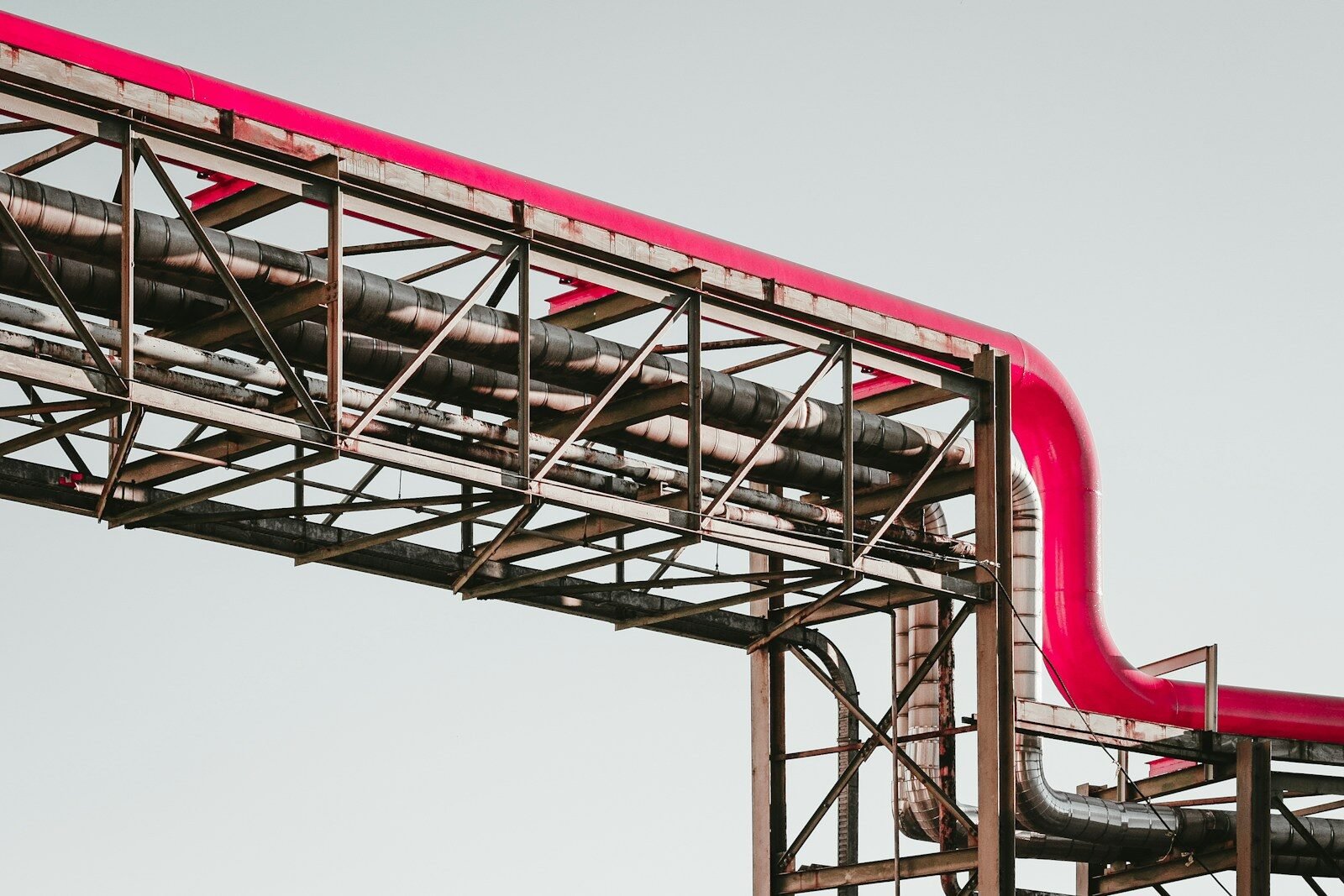
The basic loop has three parts. The evaporator side cools a chilled water loop that runs to air handlers or cooling units near the racks. The compressor raises pressure so a refrigerant can release heat. The condenser side rejects that heat, usually to a cooling tower or a dry cooler.
Chillers come in several types. Air-cooled chillers reject heat to outdoor air through coils and fans. Water-cooled centrifugal chillers use a condenser loop and a tower. Each type has trade-offs in efficiency, water use, footprint, and maintenance.
Valves matter in a chiller plant. Isolation valves let a crew service one chiller without shutting the plant down. Control valves keep flow steady as the load changes. Check valves stop reverse flow when a pump stops. Butterfly valves are common on larger lines because they are compact and handle the flow rates these plants need.
Plant design also depends on redundancy. Many sites use N+1 chillers, so one unit can fail or go offline for service without losing cooling.
When someone asks why a plant needs so many valves, the answer is control and service access. Every valve is a point where the plant can be isolated, balanced, or protected.
Refrigerant choice has been changing for years. Regulations and environmental goals push operators toward refrigerants with lower global warming potential. A chiller selection now includes the refrigerant, its safety class, and how the system will be serviced over its life.
Controls decide how efficiently a plant runs. Staging logic brings chillers online only when the load requires it. Variable speed drives on pumps and compressors match output to demand, which saves energy during partial load, when most plants spend much of their time.
Commissioning checks start-up sequences, safeties, and alarms. Each chiller must start, stage, and shut down correctly, and the plant must respond when one unit fails. These tests are easy to skip and expensive to fix later.
Heat rejection ties the plant together. The condenser loop must match the chiller’s design flow and temperature. If the tower or dry cooler cannot reject heat fast enough on a hot day, head pressure rises and capacity drops.
Maintenance is scheduled around the plant’s duty. Oil analysis, tube cleaning, and sensor checks keep chillers efficient. Logs of pressures, temperatures, and run hours help operators spot slow changes before a unit trips offline.
For owners, the practical checklist is simple. Confirm redundancy, confirm controls, confirm service access, and confirm the heat rejection side can carry the load in the hottest weather the site will see.
Main chiller types
Centrifugal chillers use a spinning impeller to compress refrigerant. They are common on large plants because they are efficient at high capacity. Screw chillers use rotating screws and fit mid-size loads. Scroll chillers suit smaller loads and modular plants where capacity is added in steps.
Absorption chillers use heat instead of a compressor, often from steam or hot water. They are less common in data centers but show up where waste heat is cheap.
Magnetic bearing compressors, found in many modern centrifugal units, remove oil from the compressor and cut friction losses. They also run quietly, which helps near occupied buildings.
Primary and secondary loops
Many plants split the water system into two parts. The primary loop runs through the chillers at a steady flow. The secondary loop carries water out to the building and varies its flow with the load.
A bypass line, often called a decoupler, joins the two. It lets the loops run at different flows without upsetting each other. Poor control of this line is a common reason plants waste energy.
Variable primary systems drop the secondary pumps and vary flow through the chillers directly. They save pumping energy, but they need careful controls and minimum flow protection for each chiller.
A worked example
Here is an illustrative example, not a real site. A hall needs 1,000 tons of cooling. The owner installs four 500-ton chillers in an N+1 arrangement. Three can carry the full load, and the fourth is the spare.
On a mild day, the controls might run only two chillers at partial load. Because chillers are often most efficient between about half and three quarters of full load, staging them this way can use less energy than running three units lightly.
If one chiller trips, the spare starts and the plant keeps its capacity. If a second one trips during a heat wave, the plant is short and the operators must decide which loads to shed or protect.
Where valves go
Every chiller needs isolation valves on its evaporator and condenser connections. Check valves protect pumps. Balancing valves set flow in parallel branches. Control valves in the bypass or on the tower side manage temperature.
Good layouts let a crew isolate one chiller completely without touching the others. That single design choice saves a lot of risk during maintenance.
Common questions
What is a ton of cooling? It is a unit of heat removal equal to 12,000 BTU per hour.
Why use more than one chiller? Redundancy, staging efficiency, and the ability to service one unit while others run.
What is the biggest cause of poor plant efficiency? Often it is controls and flow problems, not the chillers themselves.
Energy and efficiency
Chiller efficiency is often written as kilowatts per ton. A lower number means less electric power for each ton of cooling. Plants also report a plant-level figure that includes pumps and tower fans, which is a truer picture of what the site spends.
Several choices move that number. Warmer chilled water supply temperatures let chillers work easier. Cooler condenser water helps too, which is why tower performance matters. Variable speed pumps and fans keep auxiliary power down when loads are light.
Free cooling
In cool weather, many plants can bypass the chillers and cool water directly with the tower or dry cooler through a heat exchanger. This is called free cooling or economizer mode. It can cut chiller run hours for a large part of the year in the right climate.
Free cooling needs extra piping, valves, and controls. The switchover must be smooth, because a poorly tuned transition can upset temperatures in the hall. Commissioning should test it in both directions.
Common plant problems
Low delta T is a classic one. When return water is not warm enough, chillers run more units than needed and waste energy. Causes include control valves stuck open, bypass flow, and mis-set coils.
Fouled condenser tubes raise head pressure and cut efficiency. Water treatment and tube cleaning prevent this.
Sensor drift is quiet but costly. A temperature sensor reading off by a degree or two can push staging decisions in the wrong direction. Regular calibration keeps the plant honest.
Reading plant data
Operators learn a lot from a few trends. Chilled water supply and return temperatures show whether the plant is meeting the load. The difference between them, called delta T, shows how well the coils and valves are working. Condenser water temperatures show how well the tower is doing its part.
Power draw by chiller, pump, and fan tells operators where energy goes. A rising kilowatts-per-ton figure at the same load is an early sign of fouling or a control problem. Keeping a monthly summary makes slow changes easy to see and gives the team a baseline to compare against after repairs.
Alarms and event logs complete the picture. A chiller that trips once a month on the same fault is telling the team something, even if it restarts every time.
Chiller plant in practice
When you look at chiller plant, start with the basics and then check how they apply to your own situation. A clear view of chiller plant helps you ask better questions and avoid costly mistakes.
In short, chiller plant is easier to judge when you use plain numbers, trusted sources, and a simple checklist.
Related reading
Climeworks Mammoth: The Iceland Plant Pulling CO2 Out of the Air | Heat Reuse from Data Centers: How It Works | Liquid Cooling for AI Data Centers: How It Works
For more background, see the U.S. Department of Energy.